Why I Don’t Want My Creative Business to Take Over My Life
I’ve spent a good portion of my adult life figuring out how to earn money while managing everything else that comes with being a person. Raising children, dealing with family medical needs, working jobs, paying bills, and trying to find a little time for myself have all influenced the decisions I’ve made about work. My creative business has never existed separately from those things, although there have certainly been times when I’ve tried to operate as though it did.
When I first started selling handmade work, I wasn’t thinking about building a business that would eventually include artwork, surface pattern design, teaching, memberships, and several different income opportunities. I was making things I enjoyed and discovering that people were willing to pay for them. As the business developed, I began looking for ways to earn more, reach more customers, and create something that could support me financially.
Those are still important goals. I enjoy earning money from my artwork, and I want my business to be financially successful. I have no particular interest in pretending that money doesn’t matter simply because I work in a creative field. The mortgage company isn’t especially interested in artistic fulfillment, and neither are the people sending the electricity bill.
But after more than twenty years of making and selling things, I’ve become much more interested in what that success requires from me. I want to earn a living from my creative work without arranging my entire existence around producing, promoting, and selling it. I’ve already experienced what happens when a business begins consuming most of my available time, and I have no desire to build another version of that.
My Life Has Never Followed a Business Plan
One of the more persistent ideas in business advice is that success comes from creating a plan, following it consistently, and refusing to let distractions interfere with your progress. There’s some value in having direction and being consistent, but I’ve never had a life where I could confidently plan every working day months in advance and expect everything else to cooperate.
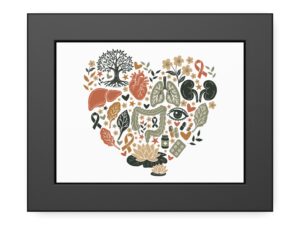
My youngest son was born with a rare genetic disorder and has undergone three liver transplants. For years, our lives involved medical appointments, hospital stays, unexpected complications, and the ordinary responsibilities of caring for a family alongside some decidedly extraordinary circumstances. There were periods when making art had to happen around everything else, and periods when other priorities took over completely.
I couldn’t simply decide to spend 40 uninterrupted hours each week growing a business. Sometimes I had a few hours available, and sometimes I had far less. I learned to work with whatever time I had rather than waiting for an ideal schedule that was unlikely to materialize.
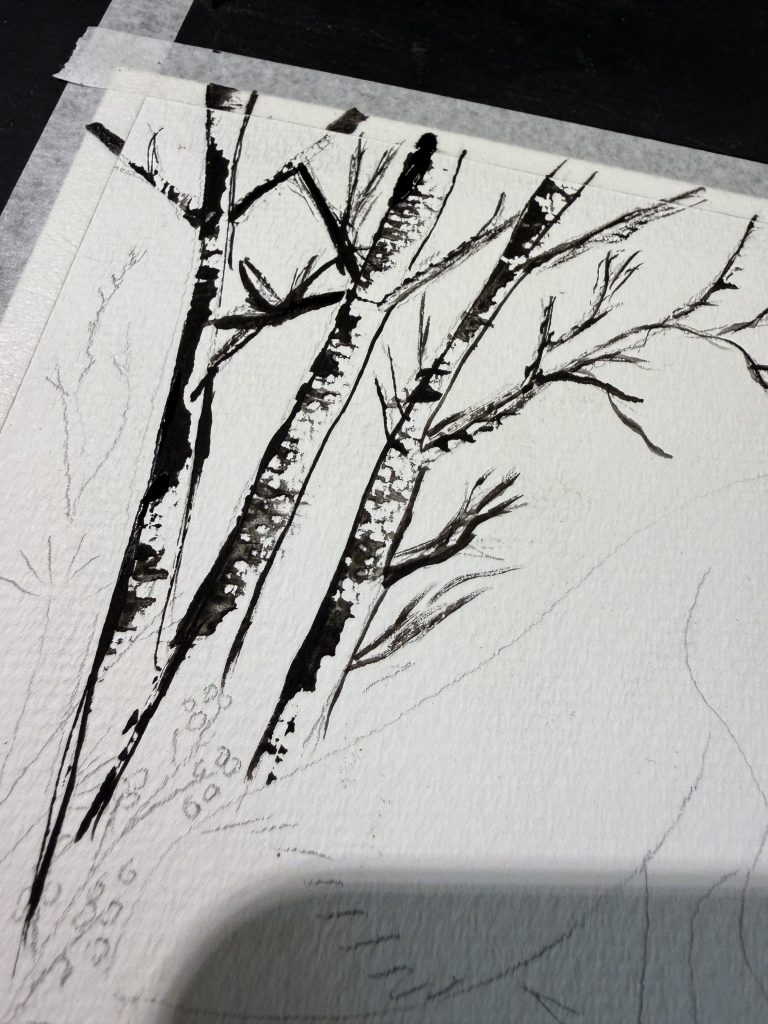
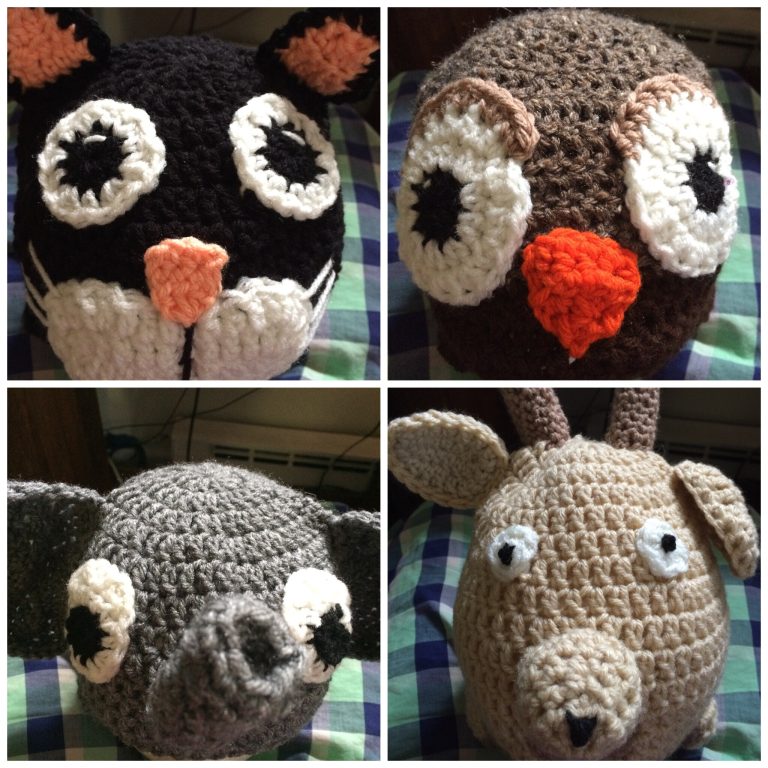
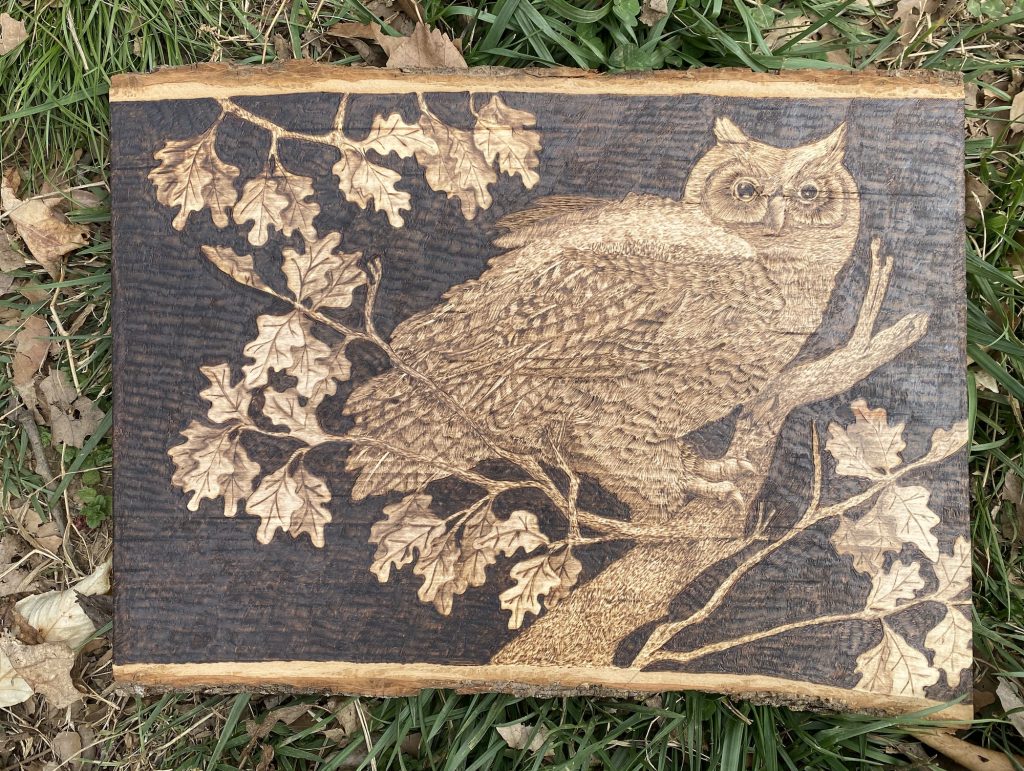
That experience influenced the kinds of creative work I pursued. Crochet and pyrography were things I could do at home, and they gave me opportunities to earn money while remaining available for my family. I could work on a project, put it down when necessary, and return to it later. There were limitations, of course, particularly when orders had deadlines, but the flexibility was valuable.
Over the years, the specific responsibilities have changed. My children are adults now, although family responsibilities don’t magically disappear when everyone reaches adulthood. I also have other work, dogs who need attention, a home to manage, and personal interests that I don’t want to keep postponing until some imaginary point when everything is finally caught up.
I’ve come to accept that the business has to fit into the life I actually have, not the one a productivity expert assumes I should be living.
When Flexibility Starts Disappearing
One of the reasons I wanted to work for myself was the freedom to manage my time. I liked the idea of choosing my projects, setting my own schedule, and being able to work around family responsibilities without having to ask anyone for permission.
For a while, that was exactly what my creative business offered. I could work from home, adjust my hours, and earn money doing something I enjoyed. But as I concentrated more heavily on pyrography, I gradually built a business that required an enormous amount of physical production.
There were stretches when I spent eight hours a day burning wood, preparing inventory for markets and retail shops, and keeping up with commissions. Even when I wasn’t actively working on a piece, I was thinking about what needed to be finished next. Taking a day off meant losing production time, which could mean having fewer pieces available to sell.
I had created a situation where I technically controlled my schedule but felt increasingly unable to change it.
The work itself wasn’t the problem. I still enjoyed pyrography, and I was proud of what I’d created. The problem was that I’d built a business around a process that required me to keep producing original pieces to maintain sales. I could earn more by making and selling more artwork, but there was a practical limit to how much I could produce, and I was getting tired of testing it.
I began wondering why I’d worked so hard to create flexibility only to fill nearly every available hour with work.
That question eventually influenced my decision to explore teaching, digital products, surface pattern design, and other ways to use the skills and artwork I’d already developed. I wanted opportunities that weren’t entirely dependent on how many hours I could spend on individual pieces.
Changing direction didn’t solve every problem, but it gave me more options for how I could work.
There Will Always Be Something Else I Could Be Doing
One of the peculiar things about running a creative business is that the work is never really finished. There are always more ideas than available hours, and every completed project seems to introduce several more possibilities.
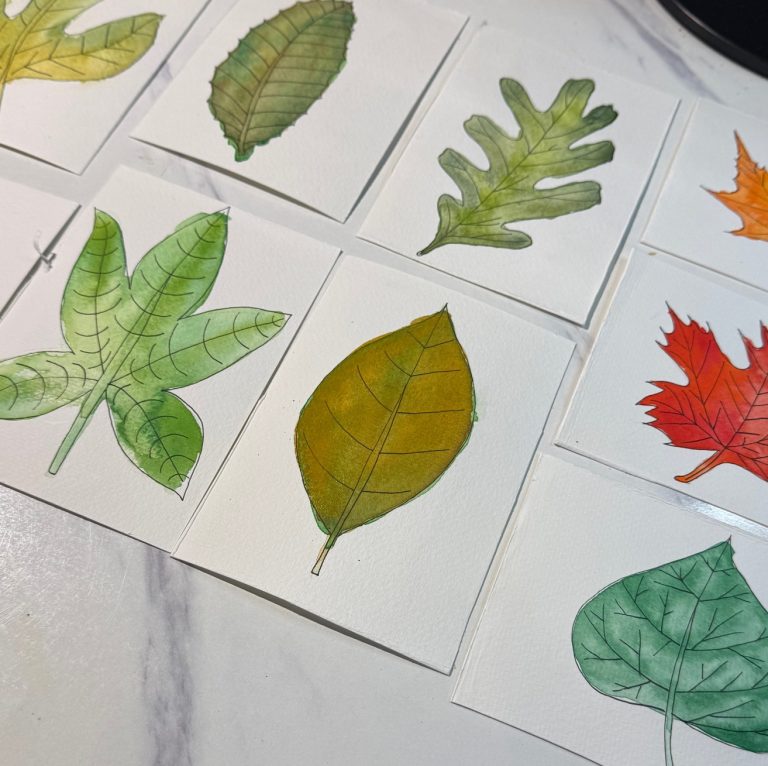
I might finish a watercolor illustration and immediately see how it could become a greeting card, a surface pattern, or a mug design. Once the artwork is prepared, there’s product photography, descriptions, listings, and marketing to consider. Then there are blog posts to write, newsletters to send, educational resources to develop, and the ordinary administrative work that keeps everything functioning.
I genuinely enjoy many of those activities. I like learning new techniques, developing collections, and finding different applications for my artwork. I also enjoy writing and teaching, which means I can usually find something interesting to work on even when I should probably be doing something else.
The challenge is recognizing that having the ability to do something doesn’t mean I need to do it immediately, or at all.
I’ve had to become more deliberate about choosing which projects deserve my attention. An idea might be interesting and commercially promising, but if developing it would require weeks of work I don’t realistically have, I need to decide whether it’s worth rearranging everything else.
Sometimes the answer is yes. Other times I add it to my list of possibilities and return to what I’ve already committed to finishing.
I’m not particularly interested in turning every creative idea into another obligation. I already have enough of those, and I’d prefer to keep at least some of the enjoyment that comes from making things without a deadline attached.

Making Room for the Things That Aren’t Business
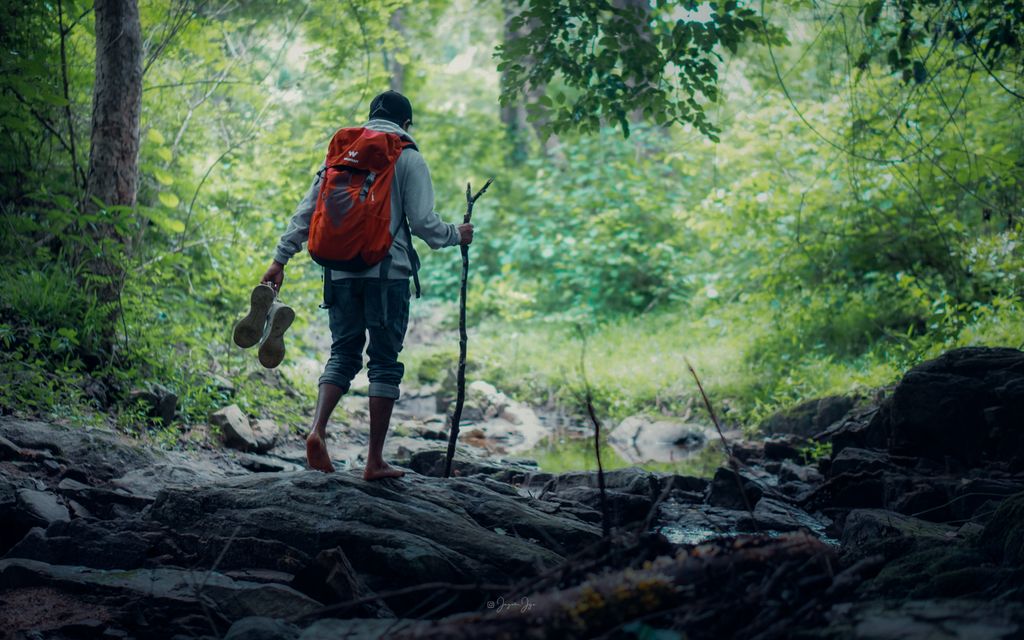
Spending time outdoors has become an important part of both my creative process and my everyday life. I enjoy hiking, walking my dogs, exploring trails, and noticing the small details that eventually find their way into my artwork.
Sometimes I come home with photographs of leaves, mushrooms, interesting bark, or whatever else caught my attention. Those observations often become the starting point for illustrations, patterns, or other creative projects, and I appreciate how much inspiration I find simply by spending time outside.
But I don’t want every walk to become a research assignment.
There are days when I want to go into the woods without taking photographs, collecting reference material, or thinking about what I might make from the experience. I want to enjoy being outside, let the dogs investigate whatever they’ve decided is fascinating, and spend some time away from my computer and worktable.
I’ve noticed how easily creative interests can become tangled up with business when you’re self-employed. A hobby becomes a potential product. A walk becomes content. Learning a new technique becomes an opportunity to create a workshop, and before long, even the things you do to relax start carrying expectations about whether they might eventually earn money.
I don’t think there’s anything wrong with drawing inspiration from everyday life. Much of my artwork comes from the things I notice while I’m outside, and I enjoy sharing those experiences through my writing. But I want to be able to do something simply because I enjoy it, without feeling obligated to find a commercial purpose for it.
The same applies to spending time with family, reading, listening to music, or experimenting with artwork that may never become anything more than an afternoon’s entertainment. Those things aren’t distractions from building a successful business. They’re part of the life I’m trying to support by having one.
Deciding What Enough Actually Looks Like
For a long time, I measured progress largely by how much I was doing. More products, more sales channels, more inventory, more opportunities, and more projects all seemed like reasonable ways to grow a creative business.
Some of those decisions were useful, and exploring different opportunities helped me develop skills I wouldn’t otherwise have learned. But I’ve also discovered that adding more things to a business can make it more complicated without necessarily making it more profitable.
Every platform requires some attention. Every product needs preparation and maintenance. Every new offer comes with decisions about pricing, delivery, marketing, and customer support. Even when individual opportunities seem manageable, the combined workload can become substantial.
I’ve become much more interested in earning enough from a manageable collection of products and services than in building something that requires constant expansion.
That doesn’t mean I’ve stopped setting financial goals. I want my creative work to contribute meaningfully to my income, and I’m working toward earning a consistent thousand dollars a month from my business. That amount would make a practical difference in my life, particularly as I think about financial independence and the cost of things like healthcare.
It’s a goal I can work toward through the artwork, products, and educational resources I’m already developing, rather than assuming I need to launch something entirely new every few weeks.
I may eventually want to earn more, and I hope I do. But I don’t want every financial milestone to become an excuse to increase my workload indefinitely. I’d like to reach a point where the business is earning well enough to maintain it, make thoughtful improvements, and enjoy some of the flexibility I originally wanted.
For me, “enough” isn’t necessarily a fixed number. It depends on what my life requires, what I want to accomplish, and how much time I’m willing to devote to work. I expect those answers will continue changing, just as they have throughout the years I’ve been self-employed.
Building Around the Life I Have Now
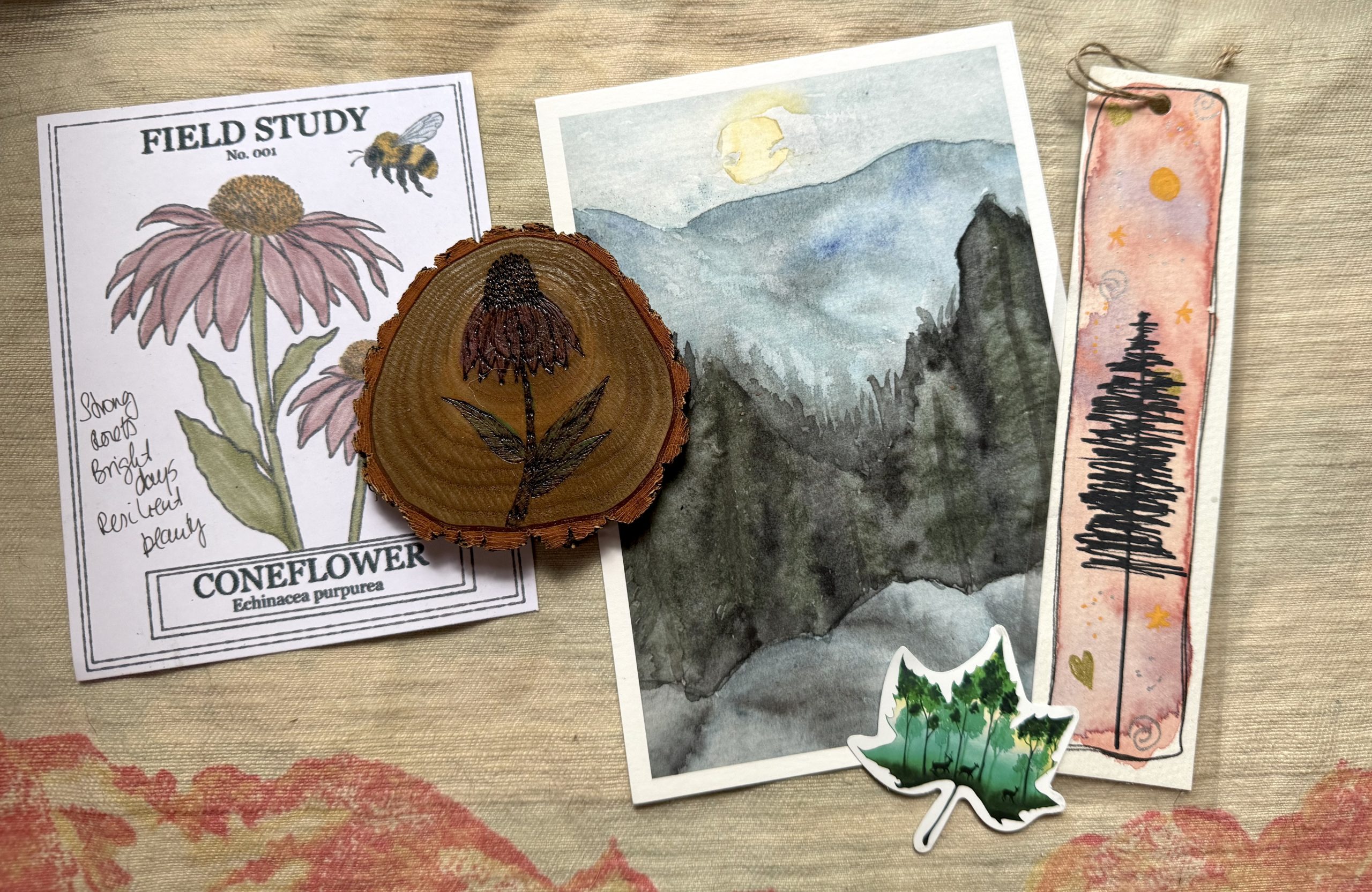
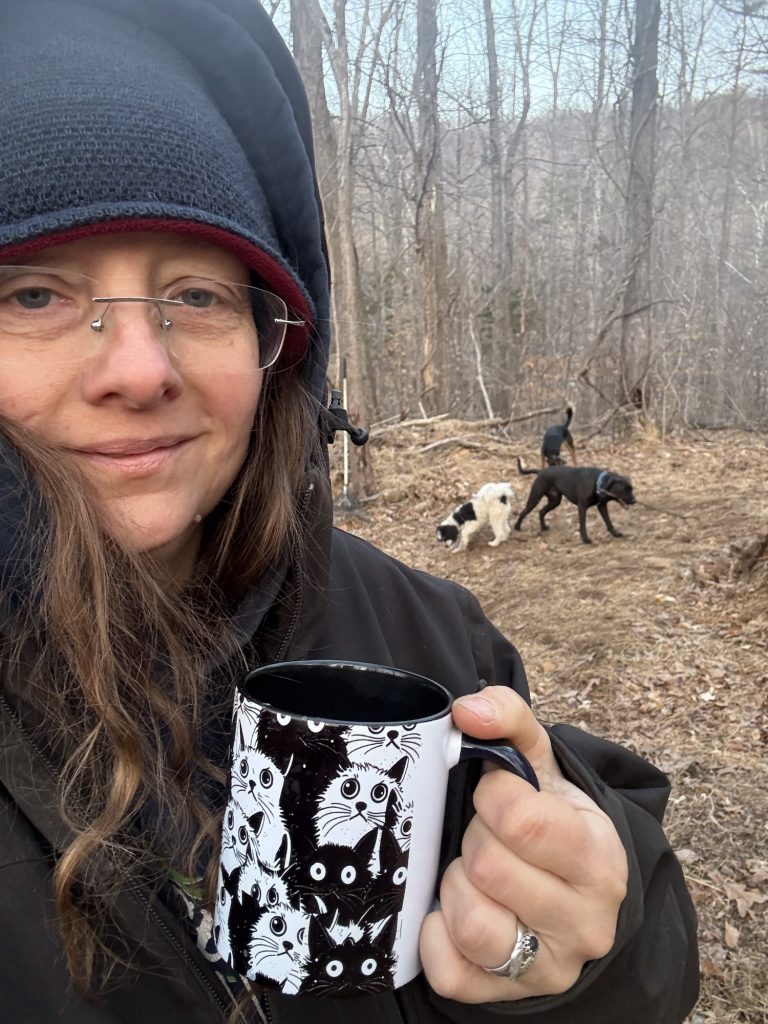
These days, my creative business includes original artwork, surface pattern design, physical products, educational resources, and memberships. I also work outside my business, have family responsibilities, and spend time caring for dogs, including my own.
There are weeks when everything fits together reasonably well, and there are weeks when plans need to change. A project takes longer than expected, something comes up with family, or I simply have less energy available than I’d anticipated. I’ve learned that a schedule can be useful without becoming something I have to obey at the expense of everything else.
One of the changes I’ve been making is focusing on smaller, practical goals that move the business forward without requiring me to manage an enormous list of priorities every day. I might concentrate on developing one new surface pattern and several colorways during a week, finishing a particular product release, or preparing a workshop that’s already part of my plans.
I’m also trying to make better use of work I’ve already completed. An illustration can have several possible applications, and educational resources can remain useful long after I’ve finished creating them. That allows me to build on previous work rather than continually starting from nothing.
I still have plenty of ideas, and I doubt I’ll ever reach a point where I stop wanting to experiment with something new. But I’m learning to distinguish between an interesting possibility and something I actually want to commit to.
There are also parts of my life that I want to protect more deliberately. Running, strength training, walking my dogs, and getting outside regularly are important to me, particularly because I’ve experienced what happens when I continually put my own needs at the bottom of the list.
It’s easy to convince myself that I’ll make time for those things after I finish the next project. The trouble is that there’s always another project waiting.
I’m trying to become better at making room for those things now, while the business is still growing, rather than treating them as rewards I’ll eventually earn for working hard enough.
A Business Should Be Able to Change With You
One of the things I’ve learned over the years is that the circumstances surrounding a creative business rarely stay the same.
When my children were younger, I needed work that could fit around raising a family and managing medical responsibilities. Later, I spent more time producing original artwork for markets and retail shops. As I became interested in teaching and digital design, I began exploring opportunities to work differently.
The business I have today reflects my current interests, responsibilities, and goals. I don’t expect it to remain exactly the same forever, and I don’t particularly want it to.
I may decide to concentrate more heavily on certain products or reduce the time I spend on others. I may develop new workshops, explore licensing opportunities, or change how I organize my creative work. Some things will probably run their course, while others may become more important than I currently expect.
I’ve become comfortable with the idea that changing direction doesn’t mean I failed to make the previous direction work. Sometimes it simply means my life has changed, I’ve learned something new, or I’ve decided that the time required is no longer worth the return.
I also don’t think artists should feel obligated to turn their creative businesses into large companies simply because growth is possible. Some people genuinely want to build teams, manage employees, and develop businesses that operate on a much larger scale. There’s nothing wrong with that, but it isn’t what everyone wants.
I’m interested in building something sustainable that allows me to keep doing creative work I enjoy while maintaining enough flexibility to live the rest of my life.
That may not be the most exciting business goal to announce on the internet, where everything seems to involve scaling, doubling revenue, or creating an empire. I’m perfectly comfortable leaving the empire-building to someone else.
What I Want the Business to Make Possible
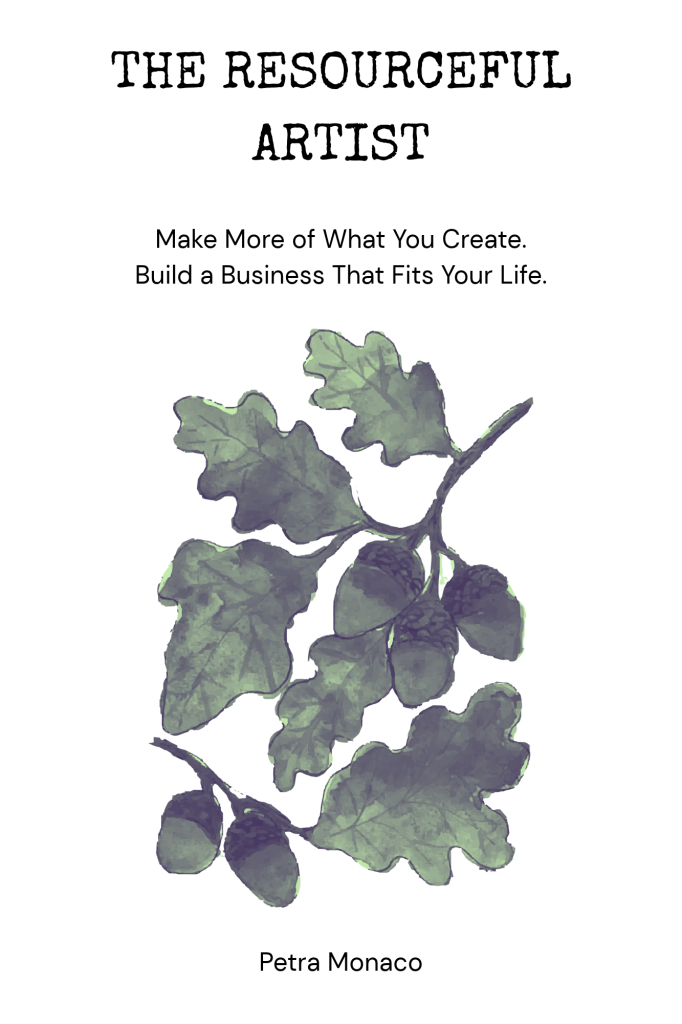
Chapters 16 and 17 of The Resourceful Artist explore the relationship between creative work and the rest of our lives, including the practical responsibilities that influence our decisions and the question of what enough looks like.
I wanted to include those subjects because it’s easy to become so focused on what a creative business could become that we forget to consider what we actually want it to do for us.
Earning money matters. Developing skills, finding customers, and creating opportunities matter, too. But the way we build those opportunities affects how we spend our days, and I’ve learned that I need to pay attention to that part of the equation.
I don’t want to spend the next twenty years constantly preparing for a future when I’ll finally have enough time to enjoy myself. I’ve already spent plenty of years balancing work with responsibilities that couldn’t be postponed, and I know how quickly life can change.
I want to keep creating artwork, learning new techniques, writing, and sharing what I’ve learned with other artists. I want to develop products and resources that people find useful and earn a reliable income from that work. I’m willing to put in the effort required to make those things happen, but I’m no longer interested in measuring success by how much of my life I can devote to working.
I’d like to have mornings when I can take the dogs into the woods without worrying about the work waiting at home. I’d like to spend time with my family, go hiking, and occasionally start a painting without knowing what I’ll do with it when it’s finished.
I also want the freedom to change my mind, stop offering something that no longer works, or spend more time on a creative interest unrelated to my current business plans.
After years of experimenting with different ways to earn money from my creativity, I’ve realized that I don’t need my business to become the biggest thing in my life.
I need it to help support the life I want to live.
About The Resourceful Artist
This essay connects with Chapters 16 and 17 of my upcoming book, The Resourceful Artist: Make More of What You Create. Build a Business That Fits Your Life.
The book brings together my experiences building a creative business over more than twenty years, along with practical ideas for recognizing opportunities in existing artwork, developing additional income streams, evaluating what deserves your time, and creating a business that fits your real-life responsibilities.
The Resourceful Artist is planned for release in paperback and Kindle editions in late November 2026.