The Things I’ve Sold, the Things I’ve Taught, and What I’ve Learned
Over the years, I’ve sold a rather interesting assortment of things. Crocheted animal hats, handmade soap, wood-burned artwork, patterns, original illustrations, and products featuring my designs have all been part of my creative business at one point or another. I’ve also taught people how to burn wood, created educational resources, and developed workshops and memberships around the skills and experience I’ve accumulated along the way.
None of this was part of some elaborate business plan I put together twenty years ago. Most of it happened because I became interested in something, learned how to do it, and eventually wondered whether someone else might find it useful or want to buy it. Sometimes the answer was yes, and sometimes I discovered that enjoying a particular creative activity wasn’t quite the same as wanting to build a business around it.
Looking back, I can see how the different parts of my business developed from one another. Selling handmade products taught me things I eventually used when selling original artwork. Working with customers helped me understand what people struggled with when learning a technique. Teaching encouraged me to organize knowledge I’d developed through years of practice, and learning digital design opened possibilities that didn’t require me to physically make every product I sold.
I didn’t necessarily recognize those connections while they were happening. At the time, I was usually busy trying to finish whatever needed finishing.
Selling Whatever I Was Making at the Time
My earliest creative-business experiments were fairly straightforward. I made things, people expressed an interest in buying them, and I figured out how to sell them.
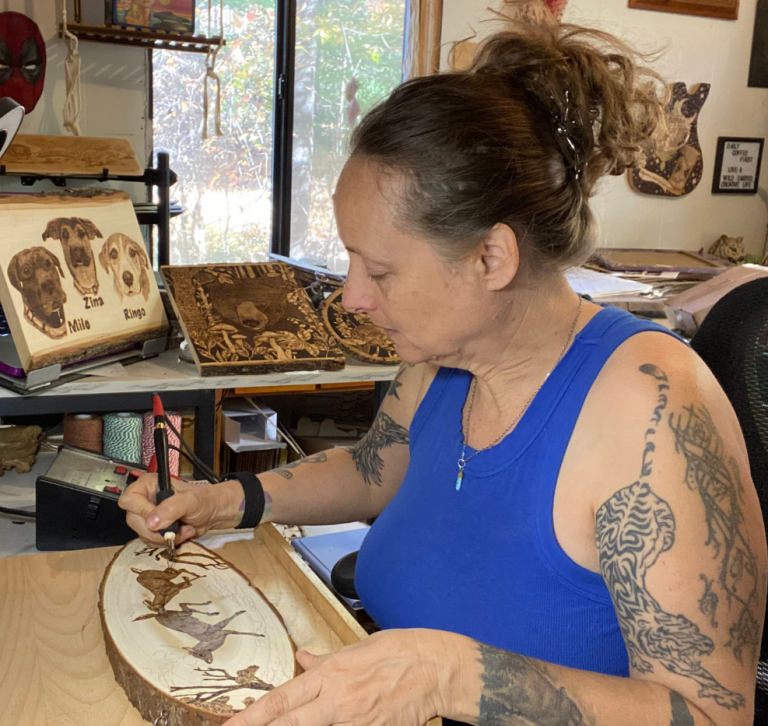
When I discovered pyrography in 2004, I was originally experimenting with macramé and wooden beads. That led me to a wood-burning tool, and before long, I was decorating wooden plaques. Within weeks, I had people asking me to make pieces for them, including coworkers and friends of friends.
I hadn’t spent months developing a product line or researching my ideal customer. I was learning a technique, enjoying the process, and discovering that other people appreciated the results enough to pay for them.
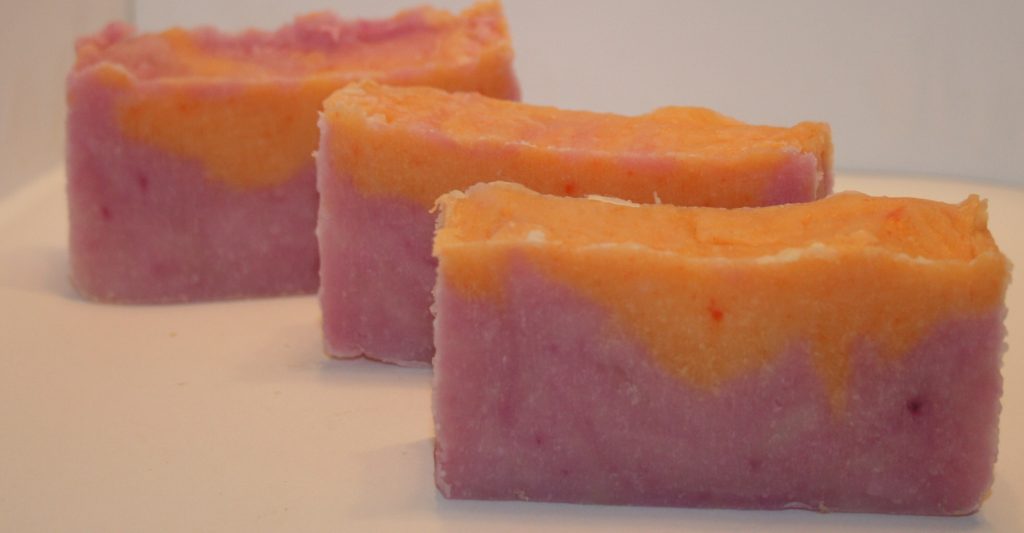
By 2008, I was selling a mixture of crochet and pyrography. I also spent about a year making soap and bath products, which was another creative experiment that eventually ran its course. There were practical reasons for some of those changes, including family responsibilities that required me to reconsider how much time and energy I could devote to different kinds of work.
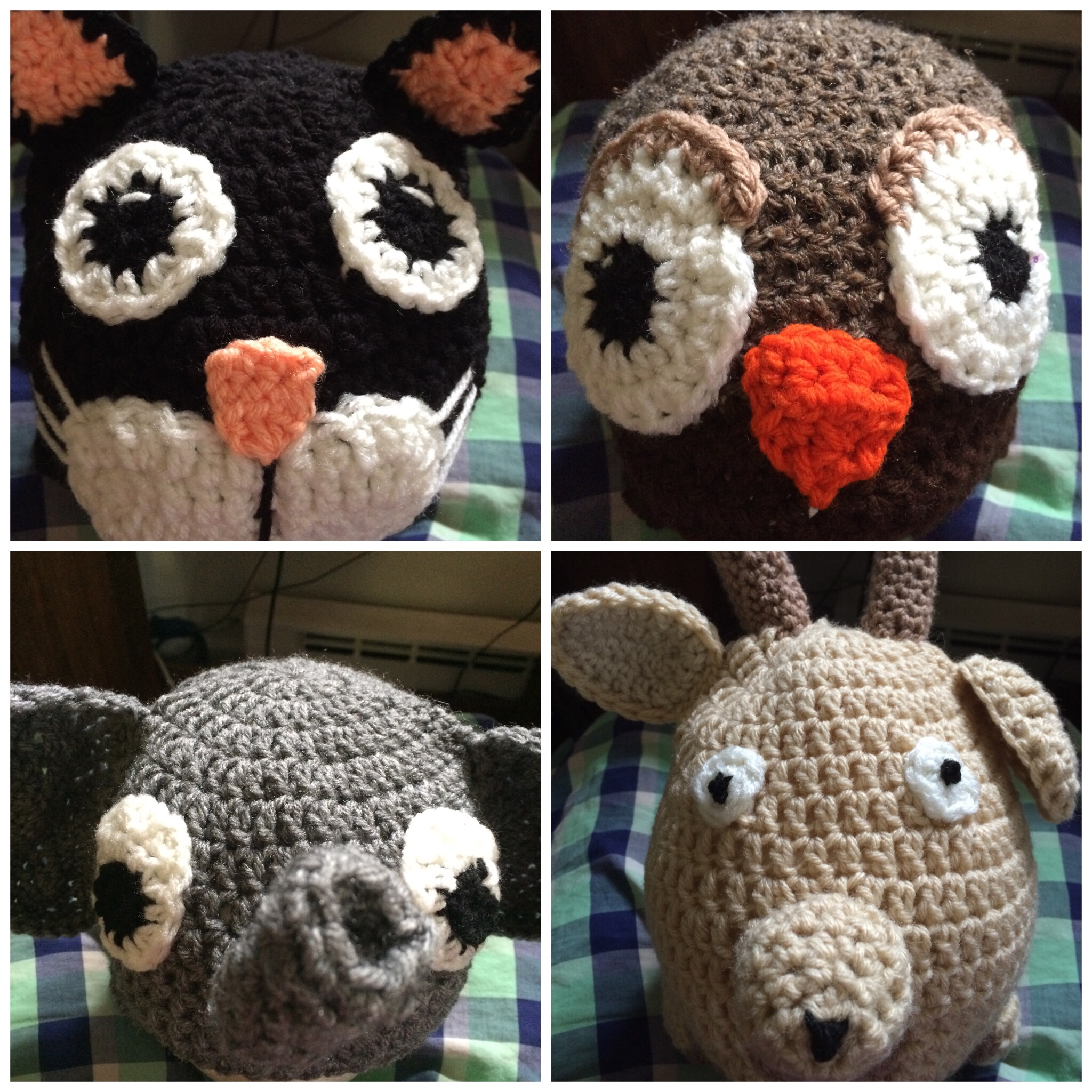
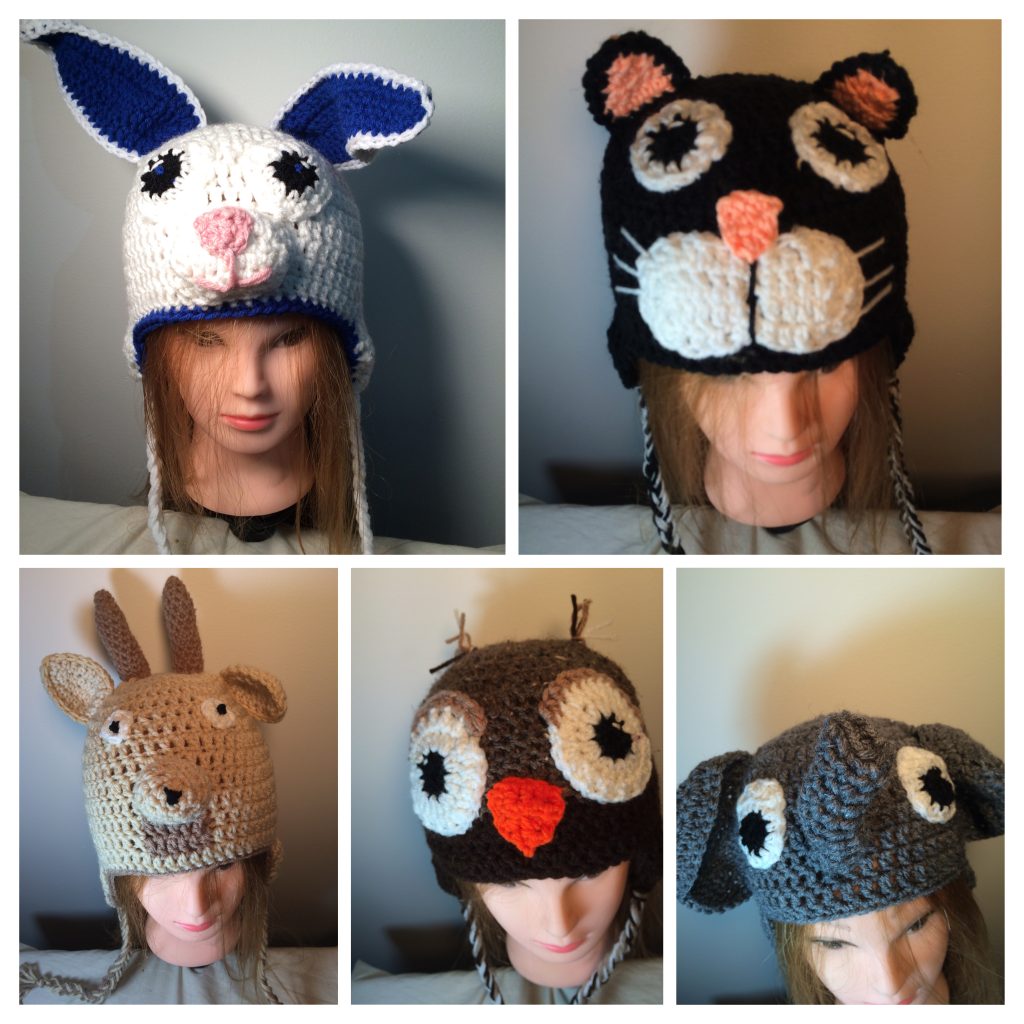
One of my more successful experiments came in 2011, when crocheted animal hats became particularly popular. For several weeks, I was making three to five hats a day, with each one taking roughly an hour to complete. The demand was strong enough that I used the income to pay off debt, which was certainly a welcome outcome.
I enjoyed making the hats, but the experience also taught me something about the relationship between demand and production. When people want something you’ve made, it’s tempting to assume that selling more of it is always the right direction. In reality, increased demand also means increased work when every product has to be made individually.
Over time, I became more selective about which creative interests I wanted to pursue commercially. I eventually stopped crocheting and concentrated primarily on pyrography, building a business around original artwork, commissions, markets, and retail shops.
That brought a different set of lessons, particularly about pricing, inventory, presentation, and the amount of work required to sell physical products.
What Markets and Retail Shops Taught Me
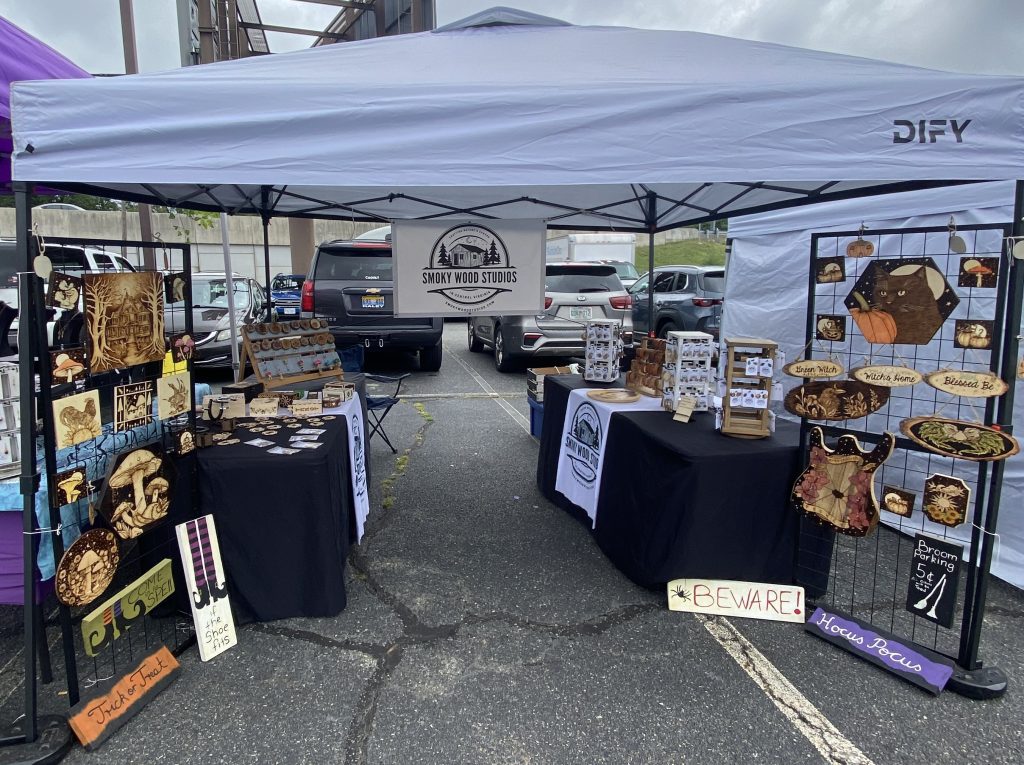
Selling at markets gave me a much better understanding of how people respond to artwork in person. I could see which pieces caught someone’s attention, what questions they asked, and how they reacted to different sizes, subjects, and prices. Those conversations were useful because they gave me information I couldn’t always get from online sales figures alone.
Some markets were excellent. I had days when sales reached around $1,000, particularly during busy holiday events with plenty of visitors. Other events barely covered the costs of participating, despite requiring much of the same preparation, travel, and setup.
The difference wasn’t always the quality of the artwork. Location, attendance, weather, the types of customers visiting, and how an event was organized could all influence the outcome. I learned that a successful event one year wasn’t a guarantee of similar results the next, and that choosing where to sell deserved just as much thought as deciding what to make.
Retail shops offered another way to reach customers without being physically present for every sale. I worked with places such as Rockfish Gallery & Gifts and Crozet Artisan Depot, where my artwork could be displayed alongside other artists’ work.
Of course, selling through a shop meant sharing part of the sale price. Depending on the arrangement, commissions could take a substantial portion of the retail price, so I had to account for that when deciding what to offer and whether the arrangement made financial sense.
I also learned to keep track of inventory, rotate pieces that weren’t selling, and pay attention to which types of work performed well in different locations.
Those experiences helped me become more practical about the business side of making art. I still cared about creating work I enjoyed, but I was learning that selling successfully required understanding costs, customers, and the effort involved in getting a product into someone’s hands.
Eventually, those same lessons became useful when I started exploring different kinds of products and income opportunities.
Discovering That My Knowledge Had Value
Teaching pyrography developed from a different kind of observation.
When I was learning the technique, I found that many of the available resources consisted of written instructions, photographs, and patterns. There wasn’t nearly as much video instruction available as there is today, and sometimes it took quite a bit of experimenting to figure out how to achieve a particular effect.
I remembered what that experience felt like, especially when I wanted to learn something specific and couldn’t find an explanation that made sense to me.
After spending years developing my own skills, I realized I could create some of the resources I’d wished existed when I was starting out.
I began developing written lessons, patterns, and educational materials for people interested in learning pyrography. My free Pyrography 101 introduction included written information, images, a time-lapse demonstration, and patterns to help beginners get started.
The purpose wasn’t to convince everyone to become a professional pyrography artist. I wanted to make the technique more approachable and provide enough information for people to begin experimenting on their own.
Teaching also gave me a different relationship with the knowledge I’d accumulated.
When I sold a finished piece of pyrography, someone received the artwork I’d created. When I taught a technique, I was sharing information that could help someone create their own work. The knowledge didn’t disappear after one person learned from it, and I could organize it into resources others could use later.
That opened up possibilities beyond individual commissions and original artwork.
I could create patterns, written guides, lessons, and workshops based on techniques I already understood. Developing those resources still required time and effort, but they didn’t depend on me physically producing another piece of wood-burned artwork for every sale.
It also gave me a reason to think more carefully about what I knew and how I could explain it to someone else.
Learning to Teach What Had Become Familiar
One of the interesting challenges of teaching something you’ve practiced for years is remembering what it was like not to know how to do it.
After enough repetition, certain decisions become automatic. You know how to adjust your pressure, which tip to use, or when to slow down because you’ve encountered the same situation hundreds of times.
A beginner doesn’t have that experience yet, and what seems obvious to you may be the very things they need explained.
Creating educational resources encouraged me to examine my own process more closely. I had to think about the order in which someone should learn a skill, what information they needed before attempting a technique, and which parts of the process might cause confusion.
I also began to notice that people often wanted practical resources they could return to while working, rather than an enormous amount of information to absorb all at once.
Patterns were particularly useful because they gave students a starting point without requiring them to draw everything themselves. Written instructions and demonstrations could help them understand the technique, while the actual practice remained something they needed to do with their own hands.
Over time, I became interested in creating different kinds of learning experiences, from introductory resources to more focused projects and workshops.
Teaching wasn’t simply another product category I could add to my business. It became a creative discipline of its own, one that involved writing, organizing ideas, demonstrating techniques, and thinking about how other people learn.
I found that I enjoyed those parts of the work, too.
More Than One Way to Earn From Creative Work
As my business evolved, I became increasingly interested in how different income opportunities could work alongside one another.
For years, much of my income had depended on selling things I’d physically made. That could work well, particularly when demand was strong, but it also meant my available production time placed a fairly obvious limit on how much I could create.
Teaching gave me another option, and exploring digital illustration and surface pattern design eventually opened up even more possibilities.
Instead of producing every finished product myself, I could create artwork for prints, stationery, mugs, fabric, or wallpaper. Some designs could be offered through print-on-demand services, while others could become part of collections sold through my own shop or other platforms.
I also began thinking differently about artwork I’d already created. A wood-burning design might be suitable for adaptation into another format. A watercolor illustration could become a print, a greeting card, or part of a seamless pattern. The original artwork remained valuable, but it didn’t necessarily have to be the only thing I could offer.
None of these opportunities came without work. Digital files need preparation, products need descriptions and photographs, platforms have their own requirements, and marketing remains necessary regardless of what you’re selling.
There are also different financial considerations. Selling an original piece of artwork, receiving a royalty from a surface pattern, and selling an educational resource involve different costs, pricing decisions, and expectations.
I had to learn how those arrangements worked rather than assuming that adding another income stream would automatically make my business more profitable.
What appealed to me was the ability to choose from several different ways of working. I could still create original artwork while developing resources and products that didn’t require the same kind of production schedule.
I was becoming less dependent on any single type of creative work, which gave me more flexibility when my interests or circumstances changed.
Why I Started Creating Workshops and Memberships
As I continued developing educational resources, I began thinking about how I wanted to help other artists beyond teaching a specific technique.
Pyrography had been an important part of my business, but the lessons I’d learned about selling artwork, choosing products, pricing, working with platforms, and managing different income opportunities weren’t limited to wood-burning.
I’d spent years experimenting with different creative businesses, and I knew how easy it was to become overwhelmed by how many things an artist could potentially do.
There are endless platforms to try, products to develop, and strategies to learn. It’s possible to spend so much time researching opportunities that you never get around to using the skills and artwork you already have.
Through Wild Ridge Learning, I’ve been developing workshops and memberships to help creatives explore those possibilities in more practical ways.
The Resourceful Artist Society grew from the idea that artists can build more flexible businesses by recognizing the resources they already possess. That might mean adapting an existing illustration for another product, sharing knowledge through an educational resource, or identifying a sales opportunity they hadn’t previously considered.
It also means learning to evaluate ideas before committing to them.
I don’t want to encourage artists to create five new products every month simply because they can. I’ve experienced what happens when a creative business becomes an endless production schedule, and I’m not interested in teaching people how to build that same problem for themselves.
I’m much more interested in helping artists recognize their options, understand the work involved, and make decisions that suit their goals and circumstances.
That approach has influenced how I think about my own business as well.
Not Every Opportunity Needs to Become Part of the Business
One of the lessons I’ve learned from selling so many different things is that an opportunity can be perfectly reasonable without being right for me.
I’ve had products that sold well but required more production time than I wanted to devote. I’ve explored creative interests I enjoyed but eventually decided not to pursue them commercially. I’ve also developed resources and products that made sense for one stage of my business and became less relevant as my interests changed.
I used to think that finding something people wanted to buy meant I should keep making it. Now I consider whether I want to keep doing the work involved, whether the income justifies the effort, and whether the opportunity fits alongside everything else I already have going on.
The same thinking applies to teaching.
Knowing how to do something doesn’t automatically mean I need to create a course about it. Some subjects are better suited to a short workshop, a written guide, or a free resource. Others may be worth developing into something more substantial if there’s enough interest and I genuinely want to spend time teaching them.
I’ve also learned that I don’t need to turn every new skill into a business opportunity. Sometimes I want to learn something simply because it interests me, and I’d rather keep that experience separate from the pressure of selling it.
Having several possible ways to earn from creativity gives me choices, but I still have to decide which ones deserve my attention.

What I’ve Learned From All of It
When I look back at the different things I’ve sold and taught, I can see how much of my business has developed from experiences I didn’t initially recognize as valuable.
Crocheting hats taught me about production time and demand. Selling at markets taught me how customers respond to artwork and how unpredictable in-person sales can be. Working with retail shops taught me about commissions, inventory, and pricing. Years of pyrography gave me knowledge I could share through patterns and educational resources, while learning digital design opened new ways to use the artwork I was already creating.
Those experiences didn’t all lead to businesses I wanted to maintain forever. Some were temporary, some evolved into something else, and some helped me recognize what I didn’t want to spend my time doing.
But the skills and knowledge remained useful long after I’d stopped selling a particular product.
I think artists sometimes underestimate how much they’ve learned simply by making things and trying to sell them. We tend to focus on the finished artwork or the most recent project, without considering the experience we’ve accumulated through years of experimenting, solving problems, and figuring things out.
That experience can become a resource in its own right. It might help us develop a new product, improve how we run our businesses, or teach someone else something we’ve spent years learning.
It doesn’t mean every artist needs to become an educator or build multiple income streams. Some people are perfectly happy concentrating on original artwork, and there’s nothing wrong with that. Others enjoy having several different ways to work and earn.
I’ve discovered that I prefer the second approach, provided I’m selective about what I take on.
I still want to make artwork, explore new techniques, and develop ideas that interest me. I also enjoy writing, teaching, and helping other creatives recognize possibilities in their own work. Having those different interests doesn’t mean I need to pursue every opportunity that comes along, but it does mean my business can change as I do.
After more than twenty years of selling and teaching creative work, I don’t have a single formula I’d recommend everyone follow. I’ve found approaches that work for me, learned from plenty of experiments that didn’t, and become much more comfortable changing direction when something no longer makes sense.
And considering that this whole adventure began with macramé, wooden beads, and a wood-burning tool, I’m rather curious to see where it goes next.
About The Resourceful Artist
This essay connects with two chapters in my upcoming book, The Resourceful Artist: Make More of What You Create. Build a Business That Fits Your Life.
Chapter 6, Your Knowledge Is Creative Work, Too, explores how the skills and experience artists develop can become valuable resources beyond the finished artwork itself. Chapter 9, More Than One Way to Earn, looks at different creative income opportunities and how to decide which ones make sense for the business you want to build.
The book brings together personal experiences and practical ideas for making better use of your existing artwork, knowledge, and skills without feeling obligated to pursue every opportunity available.
The Resourceful Artist is planned for release in paperback and Kindle editions in late November 2026.