I Didn’t Come Home Inspired. I Came Home Motivated.
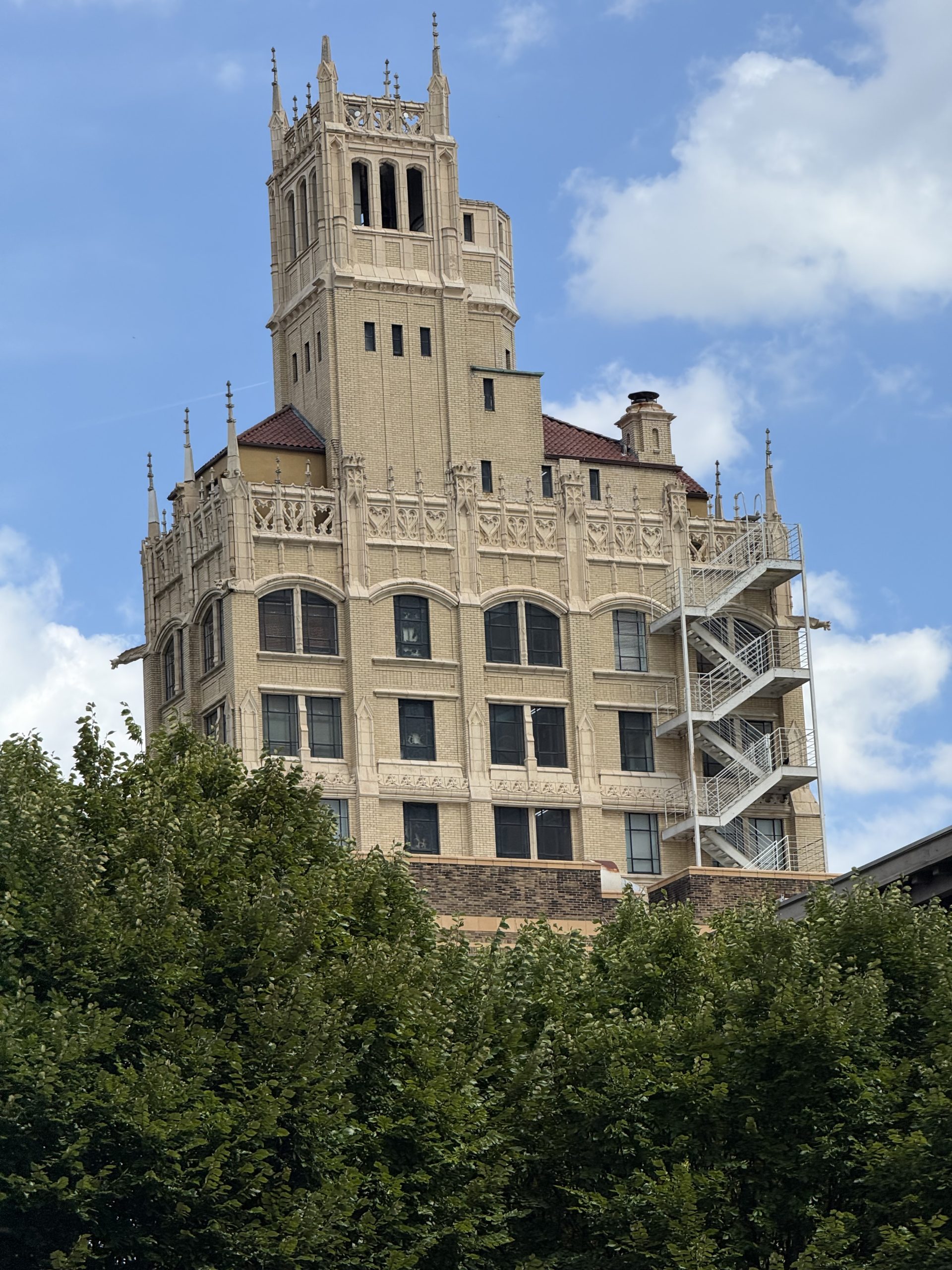
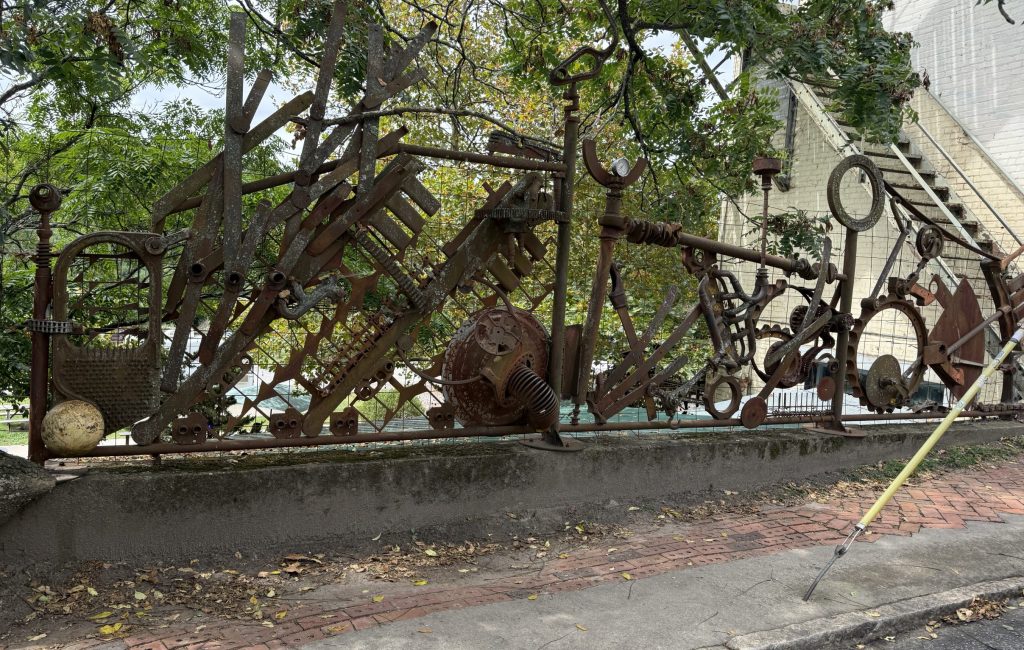
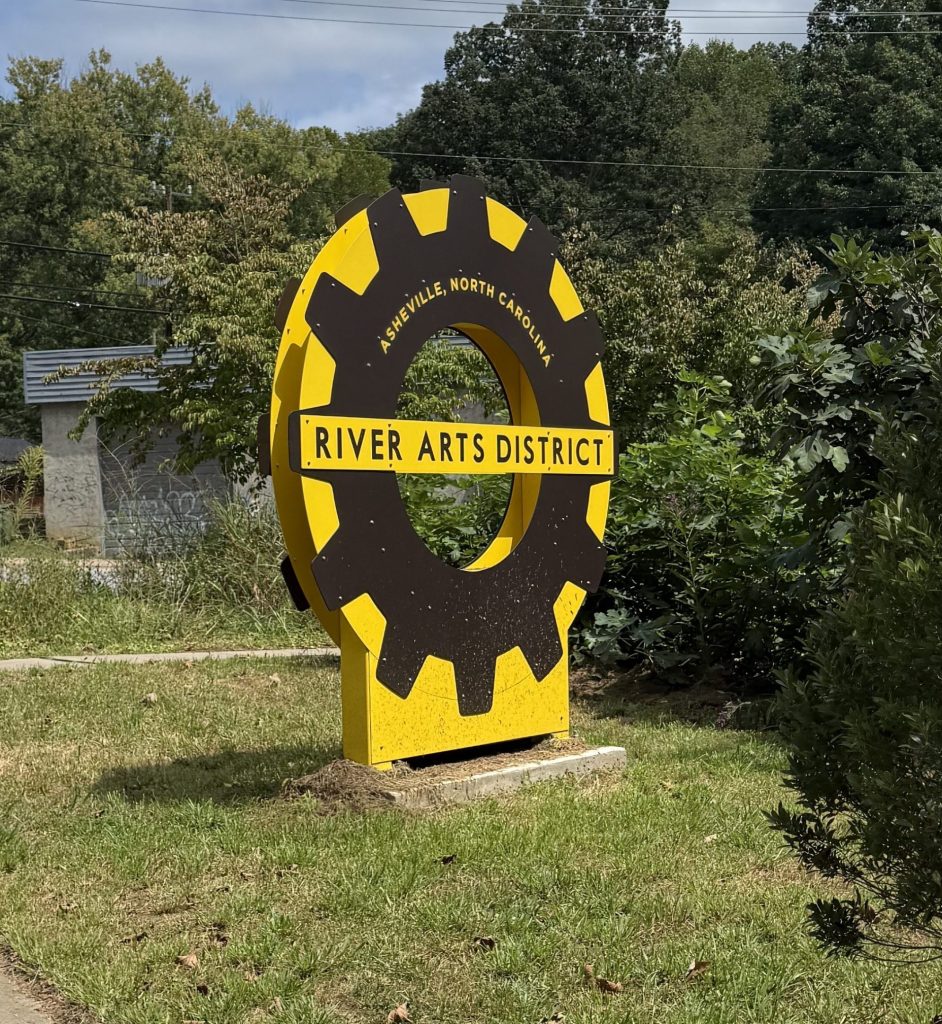
I spent four days in Asheville recently, including two days wandering around the River Arts District, going in and out of studios, galleries, shops, and creative spaces. There was pottery, painting, fiber art, jewelry, printmaking, mixed media, and plenty of things I probably couldn’t neatly categorize if I tried.
At some point during the trip, my partner asked me if I felt inspired, and I had to think about it for a minute. The answer was actually no. Not really.
That sounds strange considering where I was. Asheville is practically built for the wandering creative person with a coffee in one hand and questionable restraint around art supplies. I was surrounded by people making things, selling things, experimenting with materials, and building businesses around their creativity.
But I didn’t feel the rush of inspiration I expected. I wasn’t walking through studios thinking that I needed to try what someone else was doing, filling my notes with twenty new collection ideas, or suddenly wanting to change the direction of Wild Ridge Studio. Mostly, I found myself thinking about my own work and wanting to get back to it.
Eventually, I realized that might have been the more important thing to bring home.
Inspiration and Motivation Aren’t the Same Thing
We tend to talk about inspiration as though it’s the fuel creative work runs on. Go somewhere beautiful, visit galleries, look at other artists’ work, surround yourself with creativity, and eventually some magical creative lightning bolt is supposed to strike.
Sometimes it does, but this trip wasn’t really about that for me. Instead, seeing so many working artists made me want to get back into my own studio and keep going. It didn’t give me a pile of new ideas as much as it reinforced the ideas I already have.
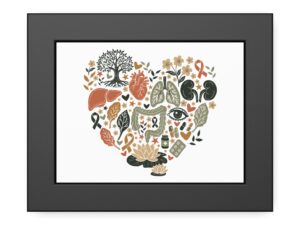
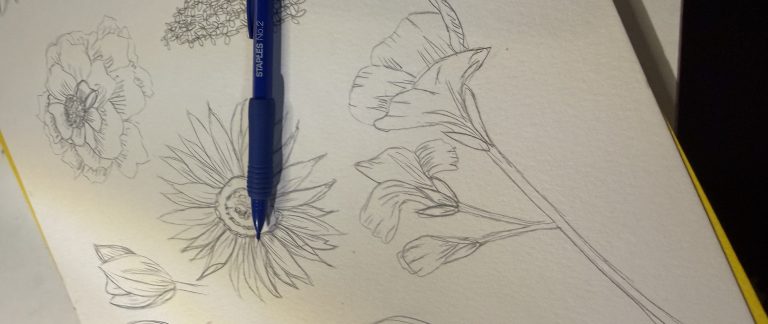
That’s where motivation feels different from inspiration. I came home wanting to paint more and keep exploring watercolor, even though I’m still very much learning it. I want to continue building surface pattern collections, and I want to pick up my pyrography tools again when an idea feels like it belongs on wood rather than paper or an iPad.
More importantly, I came home feeling considerably less pressure to choose among them.
Apparently, I’m Allowed to Do Whatever I Want
One of the things I noticed while walking through the River Arts District was how difficult it was to apply some of the creative-business advice we’re constantly given to the artists actually working there. We’re told to pick one thing, develop a recognizable niche, stay consistent, and make sure people immediately understand exactly what we do.
Meanwhile, actual artists were over there cheerfully ignoring half of that.
I saw mixed media everywhere. Artists explored different materials, subjects, techniques, and formats. Even when there was a clearly recognizable voice behind the work, that didn’t necessarily mean everything looked identical or belonged to a single narrowly defined category.
There was cohesion without sameness, and that distinction matters to me.
I’ve spent a lot of time trying to figure out where pyrography fits now that I’m doing surface pattern design. Then watercolor came wandering into the studio like an unsupervised woodland creature, and suddenly there was another thing to account for.
But maybe I don’t need to account for it at all. I can make watercolor paintings, create pyrography, design surface patterns, and illustrate mountains, animals, botanicals, hiking boots, coffee mugs, or whatever else catches my attention. Those things don’t have to compete with one another. They’re simply different ways of making the work I want to make.
Maybe the Niche Isn’t the Medium
This trip also reinforced something I’ve been slowly figuring out with Wild Ridge Studio. Maybe my niche isn’t pyrography, watercolor, or surface pattern design because those aren’t really the thing connecting my work in the first place.
They’re mediums. They’re processes. They’re tools I can choose depending on what I want to create.
The thread connecting everything is somewhere else. It’s in the Blue Ridge Mountains, trails, wildlife, plants, and the things I notice when I’m outside. It’s in seeing something interesting enough to stop, look closer, photograph it, sketch it, research it, or figure out how to turn it into something new.
Sometimes that becomes a watercolor painting. Sometimes it becomes a surface pattern, an illustration, a print, or something burned into wood. The finished pieces can look very different while still coming from the same place.
A watercolor of Old Rag and a surface pattern inspired by the same landscape aren’t two completely different creative directions. They’re two interpretations of the same experience, and if I eventually decide that experience needs to become a piece of pyrography too, I don’t need to justify that.
Creating What I Want to Create
Maybe that’s what I actually brought home from Asheville: not inspiration so much as permission.
Not permission from the artists I saw, because they certainly weren’t standing around waiting to approve my creative decisions. It was more like seeing physical evidence that a creative practice doesn’t have to fit neatly into the boxes we’re constantly encouraged to build around ourselves.
People make things, experiment, change mediums, follow ideas, develop new skills, and allow those skills to influence one another. Sometimes they create something because it makes perfect strategic sense for their business, and sometimes they make something simply because they wanted to see what would happen.
I’ve spent plenty of time asking whether something fits Wild Ridge Studio. I’ve wondered whether watercolor belongs alongside surface pattern design, whether pyrography still has a place in my work, and whether concentrating on one medium would make everything easier to explain and market.
I’m becoming considerably less interested in those questions.
What matters more is that I know the world my work comes from. I know what I’m drawn to and what catches my attention when I’m walking through the woods, climbing a mountain, sketching an animal, studying a plant, or staring at some particularly excellent leaves for entirely too long. I don’t need every piece to use the same materials for people to recognize that thread.
So when my partner asked whether Asheville made me feel inspired, I couldn’t really say that it did. I didn’t come home desperate to recreate something I’d seen or with an entirely new direction for my work.
What I came home with was motivation to keep exploring the direction I’m already heading, with a little less concern about whether watercolor, pyrography, illustration, and surface pattern design are all supposed to live under the same roof.
It’s my roof. I think I’ll decide what gets to live under it.