When Making Art Started Feeling Like a Factory Job
There was a time when I spent eight hours a day burning wood. Not occasionally, when I had a particularly complicated commission or wanted to finish something before a market. Eight hours was becoming a fairly normal workday, with one piece following another as I tried to keep up with inventory, orders, and everything else involved in selling original artwork.
I’d spent years developing my pyrography skills, building a customer base, and finding places to sell my work. I had pieces in retail shops, attended markets and events, and sold through my website. From the outside, things were moving in the direction I’d worked toward. I was doing what so many artists hope to do: earning money from something I genuinely enjoyed creating.
The trouble was that I was getting tired of making the very thing I’d built my business around.
I still loved pyrography. I loved the smell of wood, the careful process of building an image through heat, and the way a piece gradually developed as I worked. But I was spending so much time producing artwork for sale that I rarely had the energy to make something simply because I wanted to. What had once been an absorbing creative practice was becoming a daily production schedule, and I was beginning to wonder how I’d managed to turn something I loved into something that felt so much like factory work.

When Every Sale Creates More Work
Selling original artwork has a fairly straightforward limitation. When someone buys a piece, that particular piece is gone. If you want another one to sell, you have to make it. That isn’t necessarily a problem, and plenty of artists enjoy working that way. There’s something wonderful about creating an original piece that eventually finds a home with someone who appreciates it. But it can become difficult when you’re trying to maintain inventory for several different sales channels at once.
Markets require enough work to fill a display. Retail shops need inventory that can be replaced when pieces sell. Commissions have deadlines, and customers understandably want to know when their orders will be ready. Meanwhile, there’s photography, pricing, packaging, bookkeeping, and marketing happening around the actual artwork. I was managing all of those things while continuing to produce one wood-burned piece after another, and the hours added up quickly.
Because I was self-employed, no one told me I’d worked enough for the day. There was always another piece I could start, another design I could finish, or another market coming up that needed inventory. I could spend an entire day working and still feel as though I hadn’t done enough. Even when I stepped away from my worktable, I was mentally calculating how many pieces I needed to finish before the next event.
Eventually, the creative part of the business began to get buried beneath the production schedule. I was still making art, but I wasn’t giving myself much room to be creative beyond what needed to be finished and sold.
The Business I’d Built Wasn’t Giving Me Much Freedom
I didn’t go into business because I wanted to spend every day doing repetitive production work. I wanted to make art, earn money from it, and have some control over how I spent my time. Instead, I’d created a situation where taking time away from production meant having less inventory available to sell, which made it surprisingly difficult to give myself permission to do anything else.
If I wanted to spend a day hiking, I was thinking about the pieces I wasn’t finishing. If I wanted to experiment with watercolor or learn something new, I knew those hours weren’t going toward the products I already knew how to sell. I was technically running my own business, but I had built it in a way that required me to keep showing up at the worktable whether I felt inspired or not.
There was also the uncomfortable reality that being busy didn’t always translate into earning particularly well. A piece of pyrography might take several hours to complete, depending on the size and detail. Selling through a retail shop meant accounting for the shop’s commission. Markets came with booth fees, travel, setup, and the possibility of spending an entire day selling very little.
I’d had some excellent market days over the years, including days when sales reached around $1,000. I’d also attended events where the income barely justified the effort. Both experiences taught me something about the unpredictable nature of selling original artwork, but neither changed the fact that every new piece required another investment of my time.
I began questioning whether working more hours was really the best way to grow my business. There were only so many hours available, and I wasn’t particularly interested in spending all of them sitting at my wood-burning station. I wanted to earn a living from my creative work, but I also wanted enough energy left to enjoy the rest of my life.
Changing Direction After Years of Building Something
By that point, pyrography had become a significant part of my identity as an artist. People knew me for my wood-burning work, and I’d invested years in learning techniques, developing designs, building relationships with customers, and establishing places to sell my pieces. Changing how I worked felt complicated because I had put so much effort into building what I already had.
There’s a tendency to treat previous effort as a reason to keep going, even when something is no longer working particularly well. You’ve invested the time, purchased the equipment, learned the skills, and built an audience. It can feel wasteful to change direction after all of that, particularly when the business is still bringing in money.
But I wasn’t considering giving up art or abandoning pyrography altogether. I was questioning whether the particular way I was earning from it still suited me. I wanted to keep the parts I enjoyed while finding alternatives to the constant cycle of making, selling, and immediately needing to make more.
Teaching was one possibility. I’d already developed educational resources and patterns, and I knew there were people interested in learning pyrography. Creating lessons gave me another way to use the knowledge I’d accumulated through years of practice, without requiring me to produce a new physical piece every time someone purchased something.
I also began investing more time in surface pattern design and exploring how existing artwork could be adapted for different uses. Instead of assuming that every sale had to begin with a new piece of wood, I wanted to understand what else my artwork might become and what skills I needed to develop to make those possibilities available.

Finding Other Ways to Work
Surface pattern design required me to learn new skills, particularly in preparing artwork digitally and creating seamless repeats. I began experimenting with scanning artwork, separating elements, arranging motifs, and developing designs suitable for fabric, wallpaper, and other products. It was challenging in a different way from pyrography, and I enjoyed having something new to figure out.
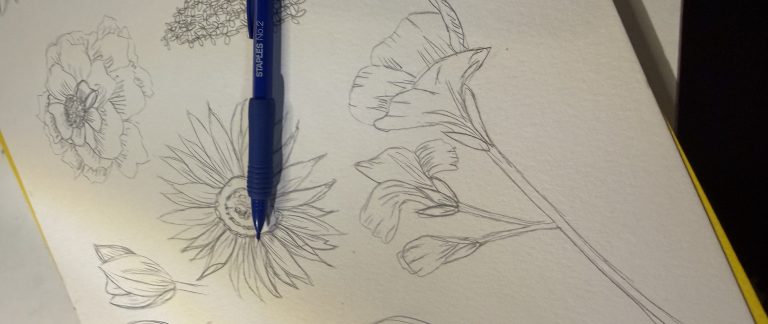
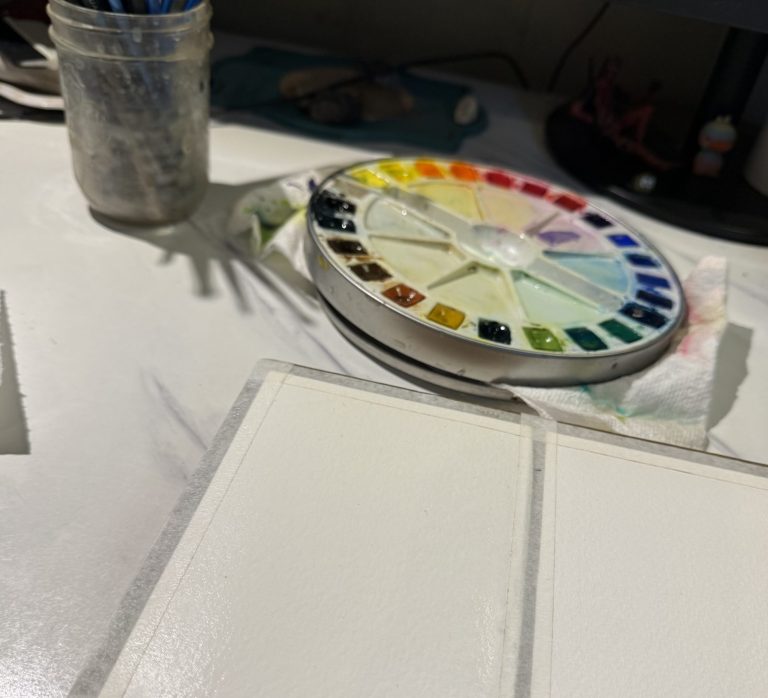
I also started spending more time painting with watercolor. Watercolor gave me a different kind of creative experience, with more room to experiment with color, explore subjects, and work without the same physical process I’d been repeating for years. Some of those illustrations eventually became products; others became patterns or parts of larger collections; and some remained experiments I made simply because I wanted to.
What appealed to me was having more choices about what happened after I finished a piece of artwork. A watercolor illustration could become a print, a greeting card, or a mug design. Individual motifs could be developed into a seamless pattern, and artwork I’d already created could be revisited later, rather than requiring me to start every project from a blank surface.
None of those possibilities eliminated work, of course. Digital products still need preparation, physical products still have production costs, and selling anything requires marketing. I wasn’t looking for a way to avoid working. I wanted to change the relationship between the time I spent creating and the opportunities that artwork could provide.
Gradually, I began building a business that didn’t rely entirely on how many original pieces I could physically produce. I could develop an illustration, explore several possible applications, and decide which ones were worth pursuing. I could also choose to make something without turning it into a product at all, which was an important part of finding my enjoyment in creating again.
Recognizing When Something Has Run Its Course
One of the more difficult parts of running a creative business is recognizing when something that once worked is no longer a good fit. Sometimes the problem is financial, with products that sell regularly but leave very little profit after materials, fees, and production time. Sometimes it’s practical, when an opportunity requires more inventory, travel, or administrative work than you’re willing to manage. And sometimes the work itself has changed for you, even though you’re still perfectly capable of doing it well.
I’ve had to make those decisions more than once. I’ve stopped selling certain products, stepped away from opportunities, and changed how I offer my work. Some decisions were easy, while others took longer because I was reluctant to let go of something I’d invested so much time in building. I had to get comfortable with the idea that a business decision could be right for one period of my life and no longer make sense a few years later.
Looking back, I can see that changing direction didn’t erase the value of the work I’d already done. My years of pyrography gave me technical skills, an understanding of materials, customer experience, and knowledge I could share through teaching. Selling at markets and in retail shops taught me about pricing, inventory, presentation, and the realities of selling physical products. Those experiences remained useful even when I wasn’t spending every day producing wood-burned artwork.
I hadn’t wasted those years, and I didn’t need to keep running the same business forever to justify them. I could appreciate everything pyrography had given me while acknowledging that I wanted a different way of working.
Building a Business I Still Want to Be Part Of
My creative business looks considerably different today. I still work with pyrography, but it no longer has to carry the entire business. I create watercolor illustrations, develop surface patterns, sell products featuring my artwork, and share what I’ve learned through educational resources and memberships. The variety suits me, and I enjoy being able to move between different kinds of creative work.
I’ve also become much more selective about the opportunities I pursue. I’m interested in whether something will earn money, certainly. I have bills to pay, just like everyone else. But I’m also interested in what the work requires from me, whether I enjoy the process, and how it fits alongside the rest of my life. A profitable opportunity isn’t particularly appealing if maintaining it means giving up everything else I want to do.
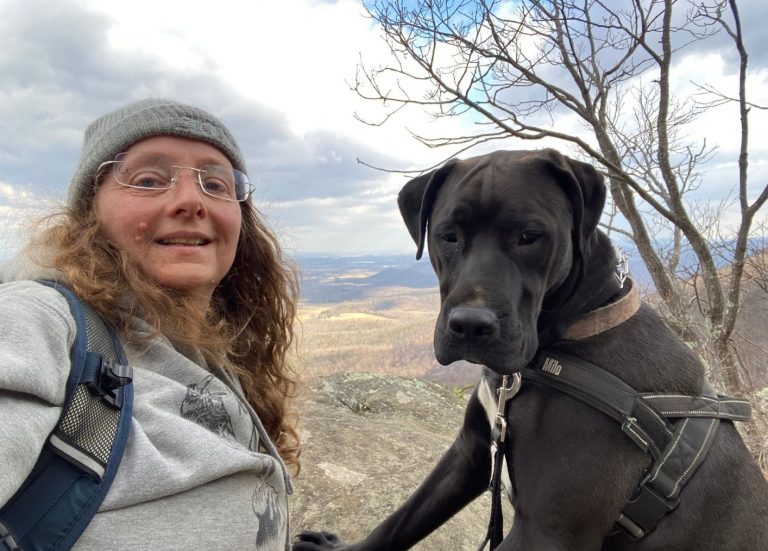
I want time to write, explore new techniques, take my dogs into the woods, and occasionally spend an afternoon doing something that has absolutely nothing to do with earning money. I don’t always manage that balance particularly well. There are still weeks when I take on too much or become absorbed in a project and forget that I had other plans. But I’m paying more attention to the kind of work I’m building my days around, and I’m less willing to accept constant busyness as evidence that I’m making progress.
I don’t want to create another business that depends on me working longer and longer hours simply to keep it going. I’d rather have a collection of creative opportunities that I can develop, adjust, and occasionally retire as my interests and circumstances change.
Knowing When to Walk Away
Chapter 15 of my upcoming book, The Resourceful Artist, is titled “Knowing When to Walk Away.” I wanted to include it because creative-business advice tends to focus heavily on persistence. We’re encouraged to keep showing up, keep producing, keep marketing, and keep pushing through difficult periods, often without much discussion about whether the thing we’re pursuing is still worth the effort.
Persistence has its place, and there are certainly times when sticking with something through a difficult stretch makes sense. But continuing simply because you’ve already invested years of work isn’t always the best decision. Sometimes a product has run its course, a sales channel takes more effort than it returns, or the business you’ve built no longer fits the life you’re trying to live.
I still value the years I spent building my pyrography business. I learned an enormous amount, met wonderful customers, and created artwork I’m proud of. Those experiences helped me develop the skills and confidence to explore other opportunities, and I wouldn’t have the business I have today without them.
What I don’t miss is feeling as though I needed to spend eight hours a day burning wood to keep everything moving. These days, I’d rather have a creative business that gives me room to keep making things, learning new skills, and changing direction when I need to. I want my studio to remain a place where I’m interested in the work waiting for me, rather than a factory I happen to own.
About The Resourceful Artist
The Resourceful Artist: Make More of What You Create. Build a Business That Fits Your Life. explores how artists can use their existing artwork, skills, and experience to recognize new opportunities while making thoughtful decisions about what deserves their time.
The book includes personal experiences like this one, along with practical ideas for evaluating opportunities, pricing creative work, choosing platforms, and building a business that fits your life.
The paperback and Kindle editions are planned for release in late November 2026.