Apparently, I Don’t Know How to Do Just One Thing
On creative curiosity, unexpected detours, and finding the connections between all the things I love to make.
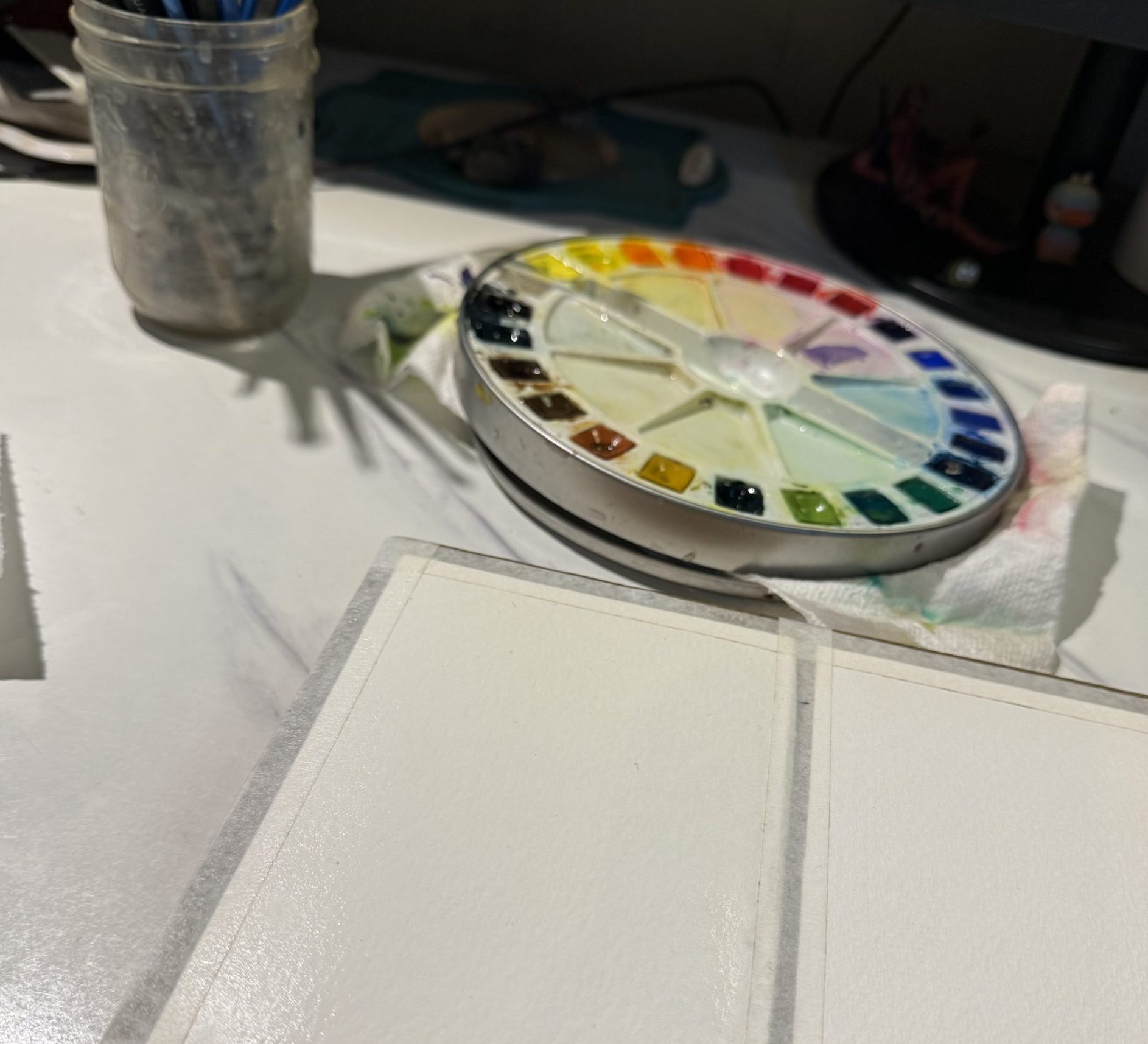
I’ve come to the conclusion that I might not be very good at doing just one thing. This probably won’t come as a surprise to anyone who has spent more than five minutes talking to me about my creative projects, but lately it’s become particularly obvious. My office is covered in watercolor paintings, sketches, notes, and various projects in different stages of completion. I have ideas scribbled in notebooks, ideas saved on my computer, and ideas that haven’t made it out of my head yet. And somehow, despite having plenty to keep me occupied, I still manage to come up with something else I want to try.
A perfect example happened recently while I was working on In the Wild Margins, a new illustrated project that combines my love of nature, drawing, and handwritten observations. I’ve been using my fountain pen to write directly on the original pages, which I really enjoy. There’s something about handwriting that gives a piece a personality you just don’t get from typing.
Something I discovered about me is that I love going down little creative rabbit holes. One idea leads to another, and before I know it, I’ve learned something new or discovered a possibility I hadn’t considered before. Sometimes those detours turn into something useful, and sometimes they just leave me with another skill I’ll probably use twice a year. Either way, I usually come away having enjoyed myself, even if the original project has been temporarily abandoned on the desk.
The Trouble With Having Too Many Interests
For a long time, I’ve felt like I should be better at narrowing things down. There’s no shortage of advice telling creative business owners to find their niche, focus on one thing, and become known for something specific. I understand the reasoning behind it, particularly from a business perspective. It’s easier to explain what you do when you can sum it up in a neat little sentence, and it’s certainly easier to market something when your work fits into one recognizable category.
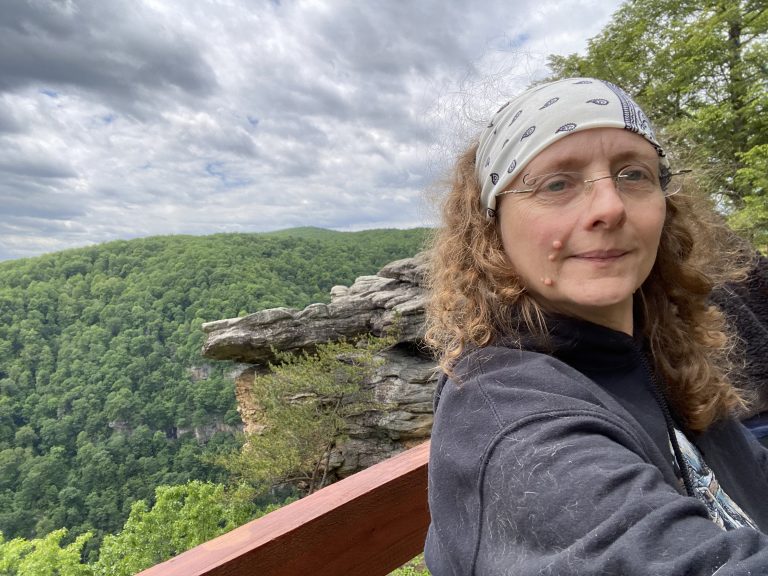
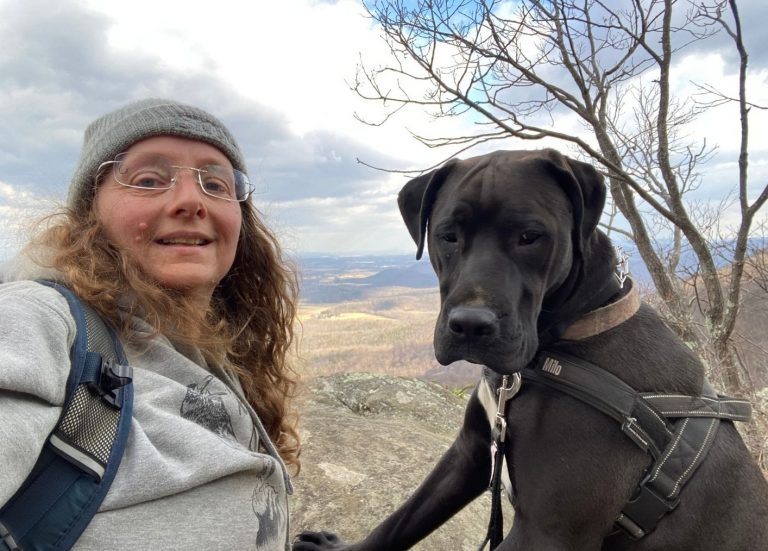
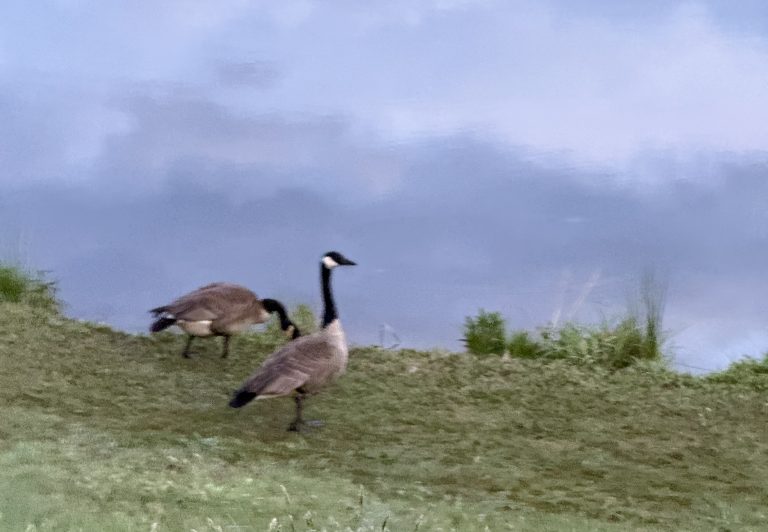
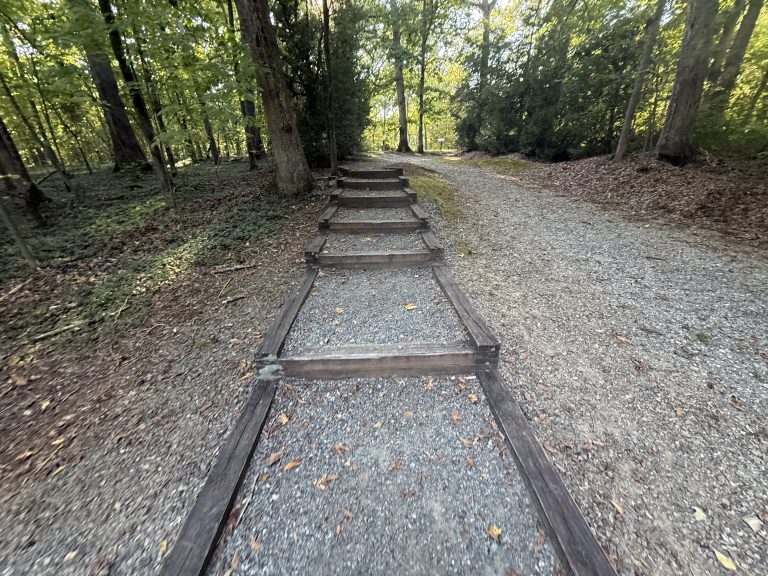
The problem is that I’ve never been particularly interested in working in just one medium. I love watercolor, but I also love pyrography. I enjoy creating illustrations, but I also want to turn those illustrations into surface patterns for fabric, wallpaper, and other products. I love making things with my hands, experimenting with different materials, and figuring out how an idea might translate from one form into another. And then there’s my love of being outside, hiking, wandering through the woods, and noticing all the little things that most of us walk past without giving them much thought.
Trying to choose just one of those interests feels a little like being asked to pick a favorite song and then listen to it exclusively for the rest of my life. I might love that song, but eventually I’ll want to hear something else.
Of course, having lots of interests comes with its own challenges. It’s easy to get distracted by a new idea when you’re halfway through something else, and there are only so many hours in a day. I’ve had to learn that being interested in something doesn’t necessarily mean I need to pursue it immediately. Some ideas can sit in a notebook for a while, and others might never become anything more than a passing thought. I’m still figuring out how to balance that curiosity with the less exciting but equally necessary business of actually finishing things.
Finding the Connections
Over the past several months, I’ve been giving quite a bit of thought to Wild Ridge Studio and how all these different creative interests fit together. Between developing new illustrations, exploring surface pattern design, working on my monthly art subscriptions, and creating In the Wild Margins, there have been moments when I’ve wondered whether I’m spreading myself too thin. From the outside, I imagine it could look like I’m heading in several directions at once, and some days it certainly feels that way from the inside, too.
But the more I work on these projects, the more I realize that they aren’t nearly as disconnected as they might appear. Most of them begin with something I’ve noticed, experienced, or become curious about. A walk in the woods might introduce me to a plant I’ve never paid much attention to before. I’ll take a few photographs, perhaps look it up when I get home, and eventually find myself sketching it. That sketch might become a watercolor illustration, which could turn into a repeating pattern, a greeting card, or part of a larger collection. Other times, the observation itself is the interesting part, and I want to capture it in words and drawings rather than turn it into a product.
That’s really where In the Wild Margins came from. I’ve spent years photographing plants, wildlife, interesting textures, and whatever else catches my eye while I’m outside. My phone is full of these little discoveries, many of which probably wouldn’t mean much to anyone else. But I enjoy looking more closely, learning about what I’ve found, and occasionally discovering that something I’ve walked past a hundred times is far more interesting than I realized. The project gives me a place to bring those observations together through illustration and handwritten notes, while inviting other people to become a little more curious about the world around them.
Trail Side Post comes from a similar place, though in a different form. I’ve always loved the idea of receiving something thoughtful in the mail, particularly when it’s something someone has taken the time to create. There’s a different experience in holding a piece of art, reading a handwritten note, or finding a little surprise tucked into an envelope than there is in scrolling past another image on a screen. With Trail Side Post, I get to combine my illustrations, seasonal inspiration, and love of paper goods into something tangible that arrives in someone’s mailbox each month.
And then there’s the Wild Mug Club, which gives me another opportunity to play with illustrations and designs in a way that’s meant to become part of someone’s everyday life. I like the idea that a drawing I created at my desk might eventually find its way into someone’s morning coffee routine. There’s something rather lovely about art being part of ordinary moments instead of always needing to hang on a wall.
These projects may look different, but they all grow out of the same interests and experiences. I suppose I’ve been so busy thinking about how to organize everything into separate categories that I hadn’t fully appreciated how naturally they connect.
Making Things Just Because
Something else I’ve been thinking about lately is how easy it becomes to look at everything through the lens of what it might eventually turn into. When you’re trying to build a creative business, it’s almost automatic. You finish a watercolor and immediately start wondering whether it would make a good art print. You sketch a flower and think about how it might work as a repeating pattern. You come up with an idea and start considering the practical details of producing, pricing, and selling it before you’ve even had a chance to enjoy making it.
There’s nothing inherently wrong with that. I want Wild Ridge Studio to be a sustainable business, and part of making that happen is thinking about how my work reaches people and generates income. I enjoy that side of things, too, at least most of the time. But I’ve also noticed that when I approach every creative experiment as a potential product, it changes the experience of making something. Instead of simply exploring an idea, I start evaluating whether it’s worth the time, whether someone would buy it, and how it fits into everything else I’m doing.
That’s one reason I’ve been making more time for watercolor practice and small creative experiments that don’t necessarily have a destination. Sometimes I want to paint something because I like the colors or because I saw something interesting on a walk. I might try a technique that doesn’t work particularly well or spend an afternoon drawing something that never becomes a finished illustration. Not every painting needs to become a print, and not every sketch needs to find its way onto a product. Some of them can simply be part of learning, practicing, and enjoying the process.
Interestingly, I’ve found that giving myself that freedom often leads to ideas I wouldn’t have come up with if I’d started with a specific product in mind. When I’m not so concerned about what something is supposed to become, I’m more willing to experiment, make mistakes, and follow an unexpected direction. Sometimes the result is worth developing further, and sometimes it’s a page in a sketchbook that reminds me what not to do next time. Both are useful, even if only one of them eventually makes it into the shop.
Making Room for the Detours
I don’t think I’m ever going to become someone who is perfectly content working on one type of art or following one creative direction. I’ve tried convincing myself that I should, but inevitably something catches my attention, and I’m off exploring another possibility. What I am learning, though, is that there’s a difference between having lots of interests and feeling obligated to act on every single one. I can enjoy the possibilities without turning them all into projects, and I can give myself permission to explore something new without abandoning everything I’ve already started.
I’m also beginning to understand that Wild Ridge Studio doesn’t need to be defined by a single medium or product type. What connects the work is the way I see things, the subjects I’m drawn to, and the experiences I want to share. Nature will probably always find its way into what I create, whether I’m painting a woodland animal, developing a botanical pattern, or writing about something I discovered along a trail. My love of handmade things, illustration, and everyday creativity will continue to show up in different forms, and I’m becoming more comfortable with that.
None of this means I’ve suddenly figured out how to manage every idea or keep all my projects moving along at a sensible pace. My notebooks are still full, my desk is still a work in progress, and I have a feeling the handwriting font experiment won’t be the last unexpected addition to my creative plans. There are still days when I look at everything I want to accomplish and wonder whether I’ve completely lost my mind.
But I’m enjoying the process of figuring it out, and perhaps that’s enough for now. I want to keep making things, learning new skills, spending time outside, and seeing where some of these ideas lead. I also want to get better at recognizing when something deserves my attention and when it can wait until another day. That last part may take a little more practice.
In the meantime, I’m curious how other people approach this. Are you someone who enjoys focusing on one interest and getting really good at it, or do you find yourself constantly wanting to learn and try new things? And if you’re one of those people who has a dozen projects going at once, have you figured out how to keep them all moving without losing your mind?
I’d genuinely love to know, because I’m still working on that one.