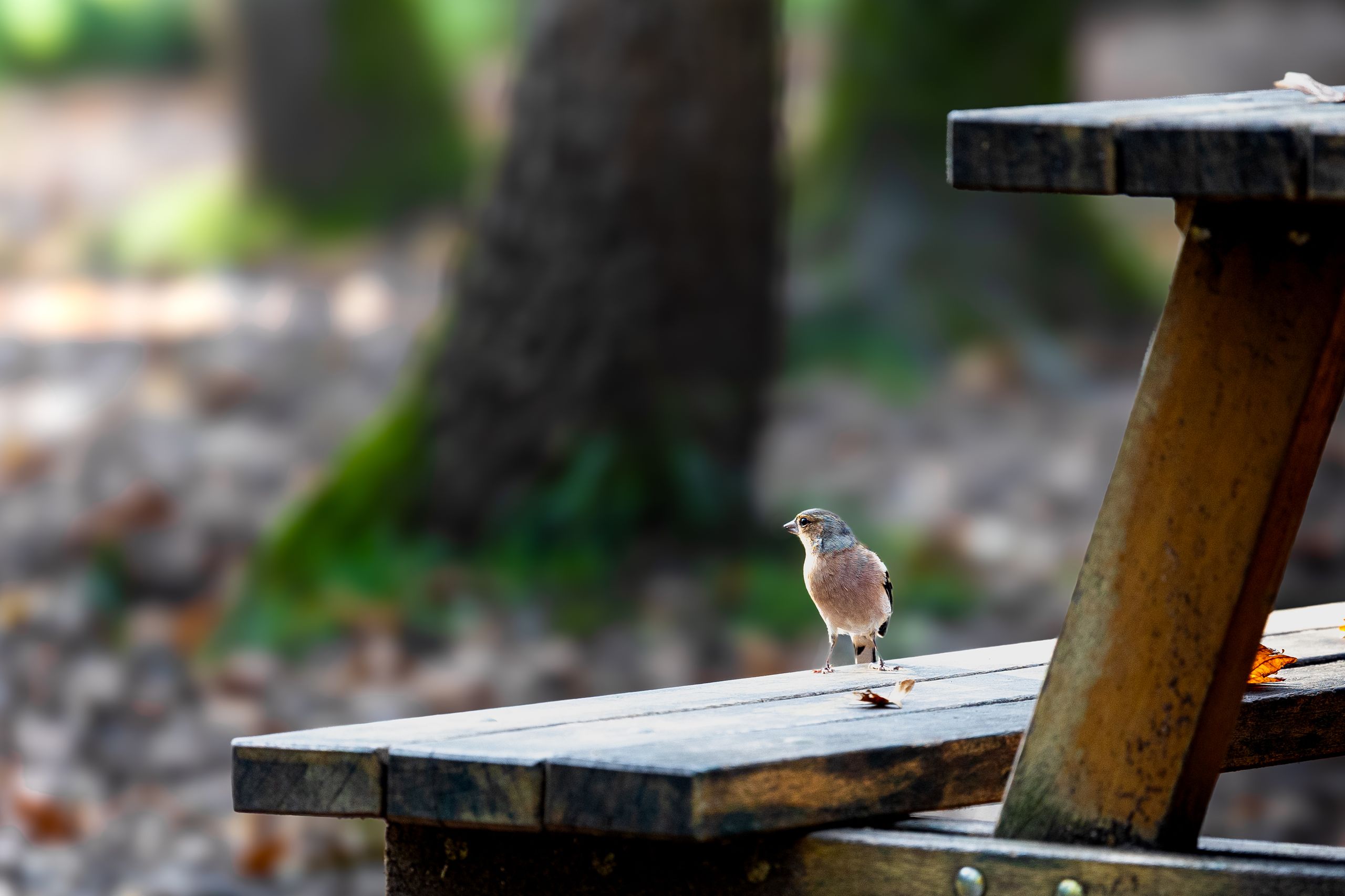
Pull Up a Chair: Welcome to The Wild Table
I’ve spent a good portion of my life making things. Some of those things became products, some became businesses, and others ended up in a drawer, a folder on my computer, or a pile of unfinished projects that I still insist I’ll get back to someday. I’ve worked with wood, learned new techniques, experimented with different materials, and found my way into digital illustration. Through all of it, the one thing that has remained constant is that I genuinely enjoy the process of creating something.
I also know how easily that enjoyment can get tangled up in everything else.
When you make art for a living, or even when you’re thinking about turning your creative work into a business, it becomes surprisingly easy to approach every new idea with a list of questions. Could I sell this? Would anyone buy it? Should I turn it into a collection? Is this worth spending time on? Before you’ve even finished sketching, you’re thinking about product listings, marketing, and whether the finished piece has enough commercial potential to justify the effort.
There’s nothing inherently wrong with those questions. I ask them myself, and helping creative people explore those possibilities is a big part of the work I do through Wild Ridge Learning. But I’ve also come to believe that we need places where those questions aren’t the first ones we ask. Places where we can make something because the subject interests us, because we want to learn a technique, or because we have an idea that we’d simply like to see on paper.
That’s the thinking behind The Wild Table, a creative membership I’ve created.
A Place to Gather Around Creativity
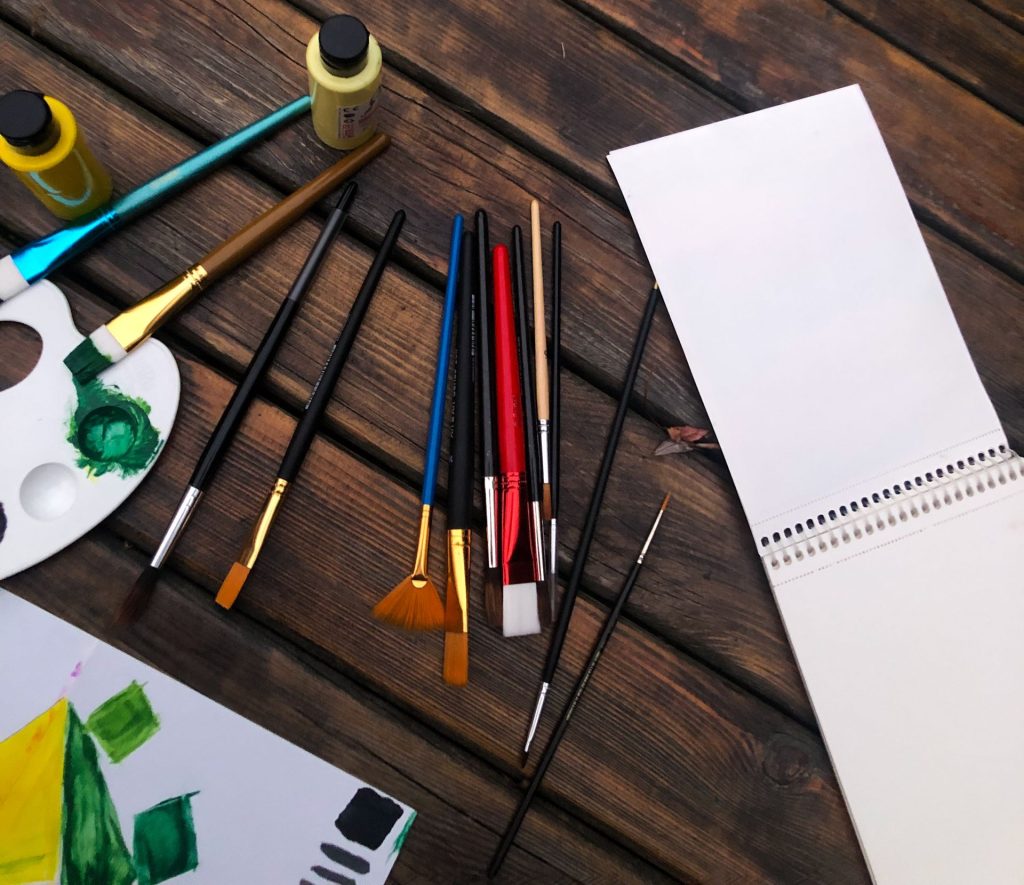
I’ve always liked the idea of a table where people gather to work on their own projects, share what they’re making, exchange ideas, and occasionally learn something from the person sitting beside them. Not everyone has to be working on the same thing, and nobody needs to arrive with a finished piece or a particularly impressive set of skills. The interesting part is what happens when people have the space to experiment and the company of others who enjoy making things.
The Wild Table is my way of creating that kind of experience online.
It’s a membership built around monthly creative explorations, practical lessons, and opportunities to try new approaches to making art. Each month brings a new theme, with weekly activities that help members explore a subject, develop their artwork, experiment with possibilities, and discover something they might want to carry into their own creative practice.
The projects are structured enough to give you somewhere to begin, but flexible enough that you can take them in a direction that interests you. I don’t want everyone producing identical artwork or following instructions so closely that there’s no room left for their own ideas.
I want to provide the starting point, share what I know, and encourage people to see what they can make of it.
You Don’t Need Another Set of Rules
One of the things I’ve noticed about creative education is how easily it can become focused on achieving a particular result. Follow these steps, use these materials, create this exact project, and by the end you’ll have something that looks like the example. That approach can be useful when you’re learning a specific technique, but it doesn’t always leave much room for developing your own artistic voice.
I’m more interested in helping people understand how to use what they’ve learned than having everyone reproduce the same finished piece.
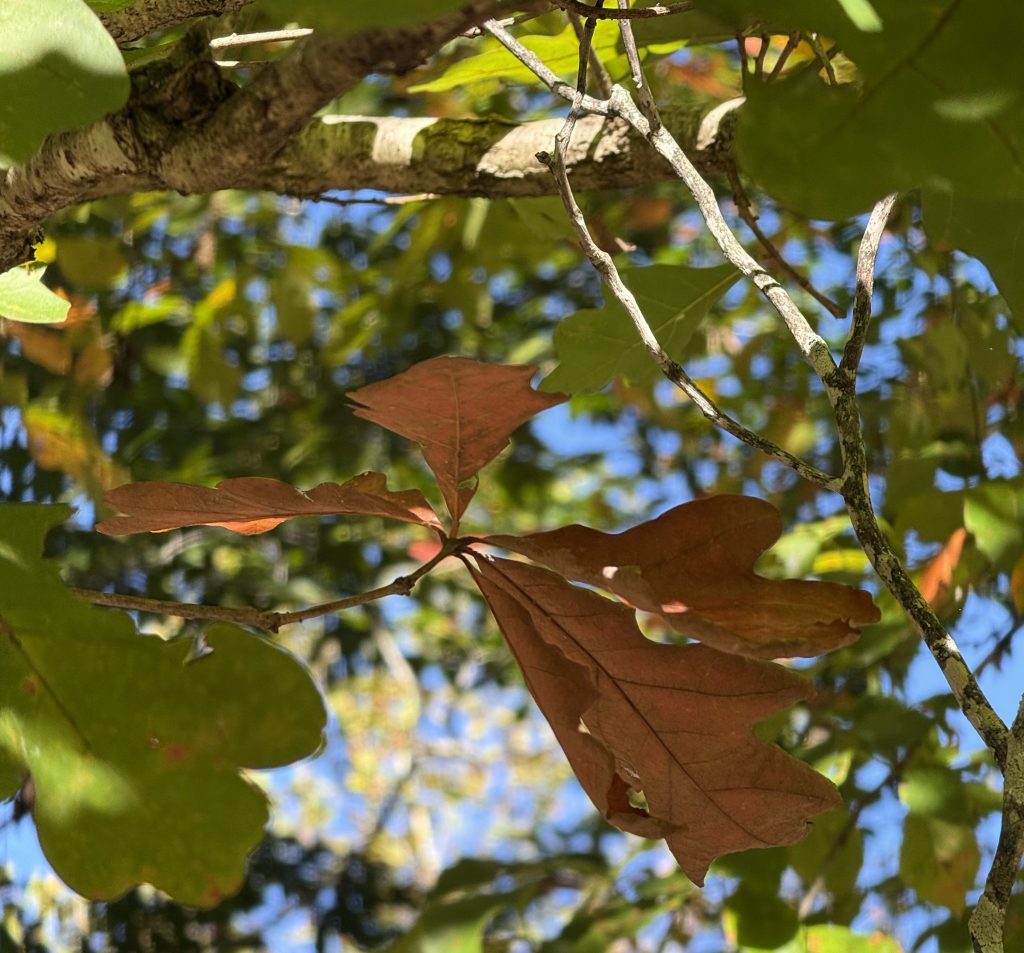
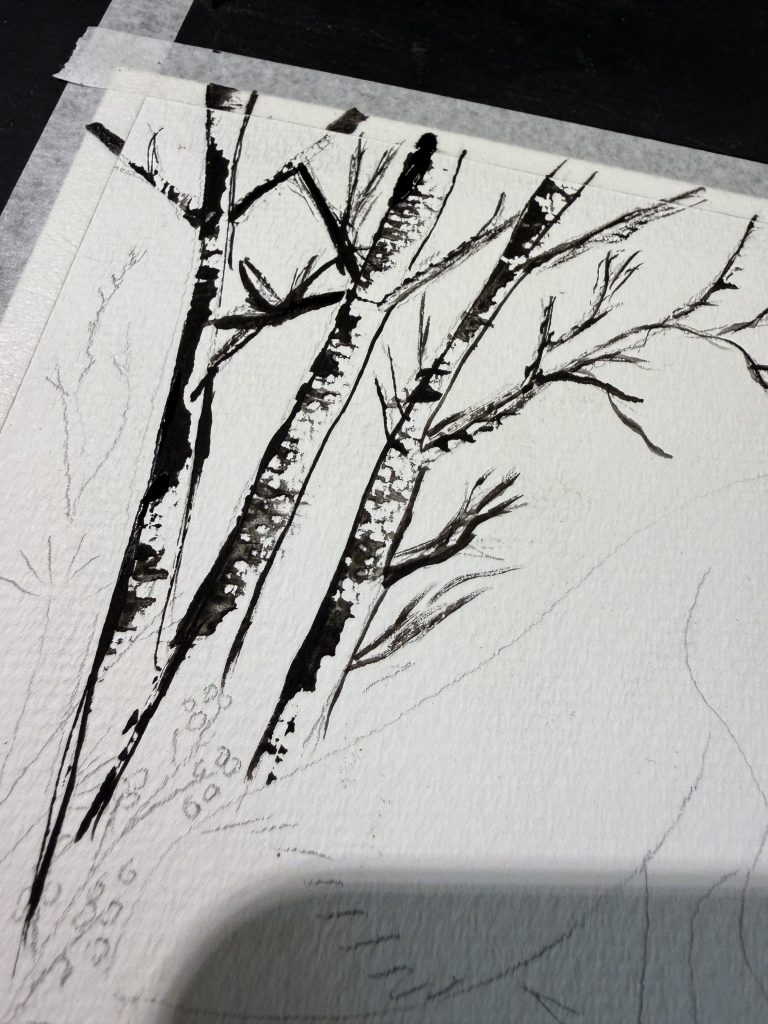
If we’re exploring woodland botanicals, for example, one person might create a detailed illustration of an oak leaf. Someone else might draw a collection of mushrooms, experiment with loose watercolor shapes, or create a scene inspired by a walk through the forest. Another member might prefer working with ink, colored pencils, digital tools, or a combination of materials.
All of those approaches belong at the table.
The point isn’t to make the same artwork. It’s to explore the same general idea through our own interests, skills, and creative instincts. I think there’s something valuable about seeing how differently people interpret a shared starting point, particularly when those differences lead to conversations, new techniques, and ideas we might not have considered on our own.
One Idea Can Lead Somewhere Unexpected
Something I’ve learned from years of creating and selling artwork is that the first version of an idea doesn’t always tell you everything it could become. Sometimes a simple sketch develops into a finished illustration. Sometimes an illustration becomes part of a collection, or a design you originally made for one purpose works surprisingly well in another format.
Other times, the original artwork is exactly what it needs to be, and there’s no reason to take it any further.
Inside The Wild Table, we’ll explore those possibilities without making them requirements. One week might focus on observing a subject and creating original artwork. Another might introduce composition, color, or a different technique. Later in the month, we might look at how that artwork could be adapted into something else, such as a greeting card, stationery, an art print, a sticker, or another creative application.
I’ll share practical information about layout, dimensions, artwork preparation, and format choices when those details are useful. I enjoy that side of the creative process, and I think it’s helpful to understand how artwork can move beyond the original canvas, even if you have no intention of selling anything.
Knowing how to do something gives you options. It doesn’t mean you have to pursue every one of them.
And occasionally, the most interesting result of a creative experiment is discovering that you don’t particularly enjoy a certain technique or format. That’s useful information, too. I’d much rather someone try something, learn from the experience, and move on than feel obligated to continue simply because they started.
Bringing a Little of the Outdoors Into the Studio
Nature has always been one of my favorite sources of creative inspiration. Living near the Blue Ridge Mountains means I have access to woods, trails, streams, and an endless supply of interesting things to photograph, study, and eventually draw. My collection of reference photographs is probably getting out of hand, but I maintain that every unusual leaf, interesting tree, and slightly suspicious-looking mushroom deserves consideration.
That connection to the outdoors will naturally find its way into The Wild Table.
Our creative explorations may begin with woodland plants, seasonal changes, wildlife, landscapes, or the small details we notice while spending time outside. Some projects will draw directly from nature, while others will take us into different subjects, materials, and creative techniques. I don’t want to limit the membership to one artistic style or subject, but I do want it to reflect the curiosity and sense of discovery that have always influenced my own work.
You won’t need to live near the mountains or have access to miles of hiking trails to participate. A backyard, a neighborhood walk, a houseplant, or an interesting photograph can provide plenty of material to work with. And if you prefer to stay inside with your sketchbook and a cup of coffee, that’s perfectly acceptable, too.
The important thing is learning to look at familiar subjects with fresh eyes and finding ways to bring those observations into your artwork.
What a Month at The Wild Table Looks Like
Each month, we’ll gather around a new creative theme. Rather than handing you a single project and expecting everyone to finish it in exactly the same way, the month will unfold through a series of connected explorations.
We’ll begin with inspiration and original artwork, giving you an opportunity to explore the subject and decide what interests you. From there, we’ll look at techniques, composition, and different ways to develop your ideas. As the month continues, we’ll experiment with possible applications for the artwork, including practical guidance for anyone who wants to take a piece beyond its original form.
The final part of the month is intentionally flexible. You might finish something you’ve been working on, revisit an earlier idea, experiment with another approach, or start something completely different based on what you’ve discovered.
For our November exploration, Woodland Correspondence, we’ll begin with the ordinary things we find in the woods: leaves, acorns, pinecones, feathers, mushrooms, and the small creatures that make their homes among them. Members will be invited to create their own woodland-inspired artwork and then explore composition, greeting cards, and other possible uses for their illustrations.
I love the idea of beginning with something as familiar as an oak leaf and seeing how many different interpretations emerge from the same subject.
The lessons and resources will remain available inside the membership, so you won’t need to keep up with a rigid weekly schedule. You can follow the explorations as they’re released, work at your own pace, or return to a project when you have more time. There will also be opportunities to share your work, ask questions, and see what other members are creating.
I want The Wild Table to be somewhere you enjoy returning to, not another commitment that makes you feel behind.
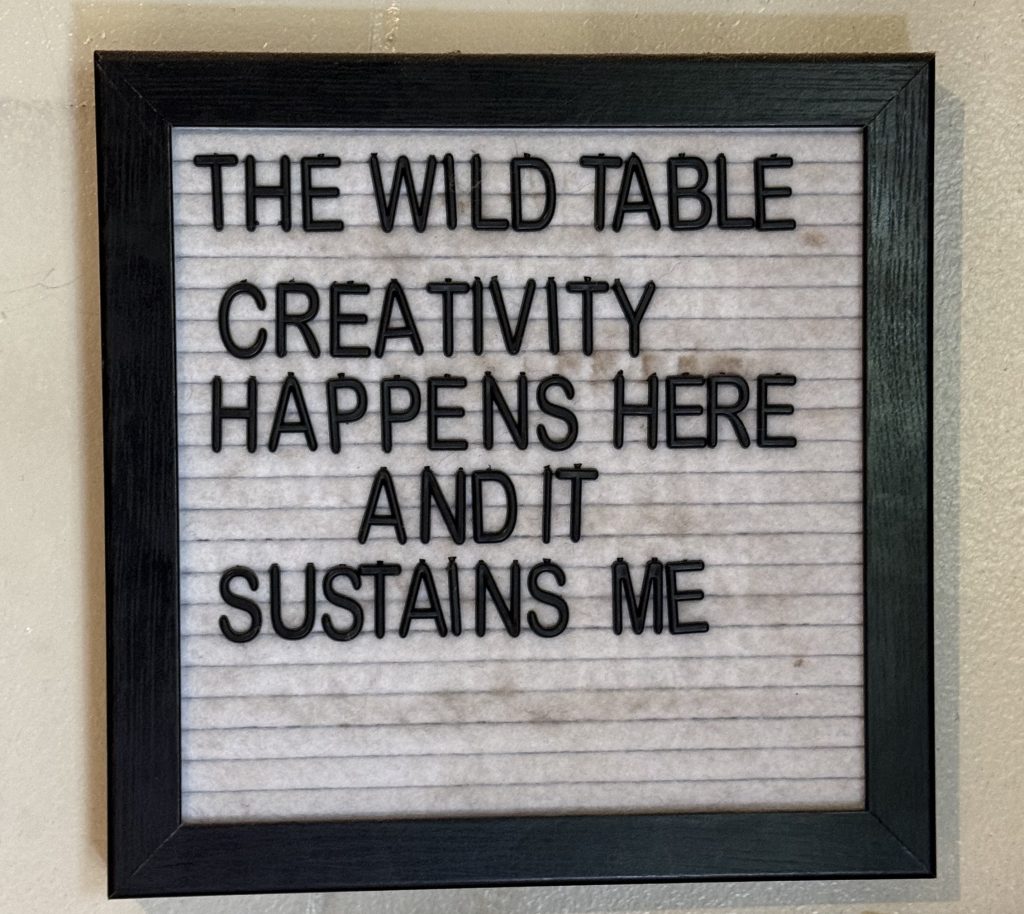
Creativity Happens Here, and It Sustains Me
There’s a phrase I’ve been using as I develop The Wild Table: Creativity happens here, and it sustains me.
I like it because it acknowledges something I think is important. Creativity can sustain us in different ways. For some people, making art is part of earning a living. For others, it’s how they spend time doing something they enjoy, developing a skill, connecting with people, or finding a little space for themselves in a busy week.
For many of us, it’s a combination of those things.
I don’t believe we need to separate the practical and personal sides of creativity quite as much as we sometimes do. You can enjoy making art simply for the experience and still be curious about what it might become. You can sell your work without expecting every creative experiment to generate income. You can take your artistic development seriously without needing to turn it into a business.
What matters is having the freedom to decide what role creativity plays in your life.
That’s the kind of environment I want to encourage through The Wild Table. One where people feel comfortable trying unfamiliar things, asking questions, sharing unfinished work, and exploring ideas without worrying about having to justify the time they’ve spent creating.
There’s Room for You at The Wild Table
I’m building The Wild Table for people who enjoy making art and want more opportunities to explore their creativity. You might be an experienced artist looking for fresh ideas, someone returning to art after a long break, or a creative person who wants to develop new skills without committing to a formal course.
You don’t need a particular style, a specific set of tools, or a business plan. You don’t even need to know exactly what you want to create next.
Bring whatever you’re working with, whether that’s a sketchbook, an iPad, a collection of art supplies, or an idea you’ve been meaning to explore. I’ll bring the monthly themes, creative guidance, practical lessons, and plenty of ideas for what we might try.
Some months you might finish a piece you’re excited to share. In other months, you might spend your time experimenting, learning something new, or simply enjoying the process.
The Wild Table is an invitation to make room for creativity, explore what interests you, and see where your ideas might lead.
Pull up a chair. Let’s make some art.

