What Happens to an Illustration After the Original Is Finished?
I’ve been spending quite a bit of time working on my 12 Days in the Winter Woods collection, a limited edition of 20 boxes filled with original artwork, handmade pieces, and little woodland treasures. There are wood-burned bookmarks, ornaments, illustrated prints, postcards, and a few other surprises that all need to come together before the collection heads out the door.
With my first preorder already placed, I’ve been working through the production process, making sure I have the materials I need and figuring out which pieces to tackle first. There’s a fair amount of drawing, wood-burning, painting, printing, and assembling involved, but I genuinely enjoy this kind of work. I like seeing a collection come together from individual pieces, each with its own character.
While working on everything, I’ve also been thinking about what happens to the artwork once the original piece has been finished and sold.
For years, my process was pretty straightforward. I’d create a wood-burned piece, photograph it for my shop, sell it, and move on to whatever I wanted to make next. Occasionally, I’d reuse a design for another project, but I wasn’t particularly intentional about preserving the original illustrations or thinking about how they might work in another format.
Now that I’m spending more time developing illustrations and surface pattern collections, I’m looking at that process a little differently.
The Artwork Doesn’t Have to End With the Original
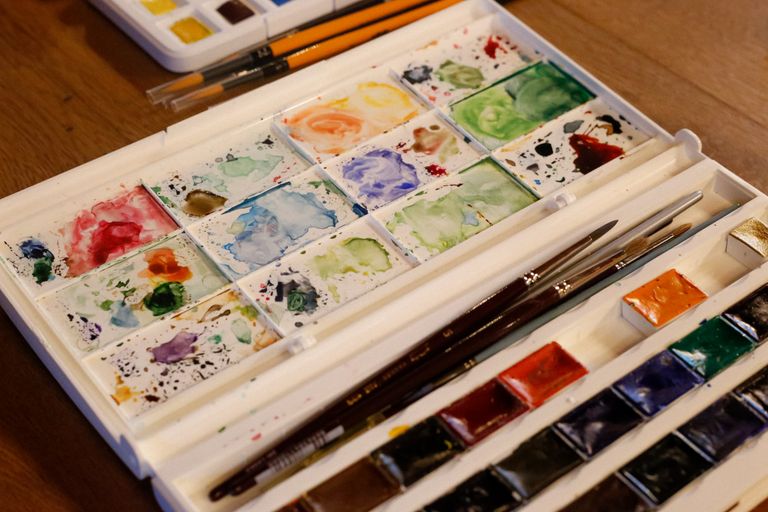
One of the things I enjoy about working across different creative media is discovering how they influence one another. Pyrography has been part of my creative life for years, and it’s shaped how I approach line work, texture, shading, and composition. Watercolor has introduced a different way of thinking about color and layering, while surface pattern design has made me pay more attention to how individual illustrations work together.
The interesting part is that I don’t necessarily have to create completely separate artwork for each medium.
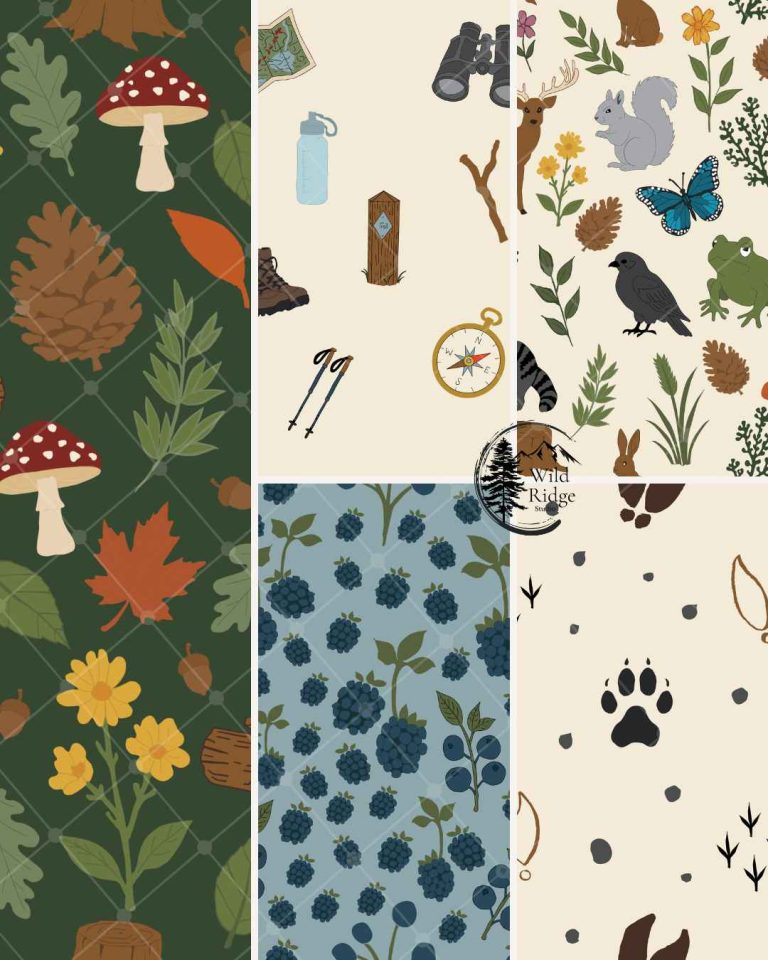
An illustration I originally drew for a wood-burned bookmark might eventually become part of a greeting card. A mushroom painted onto a wooden ornament could inspire a coordinating botanical pattern. Several small woodland illustrations might work together as a stationery collection.
Of course, that doesn’t mean every piece needs to become something else. Some artwork is perfectly suited to its original purpose, and I have no interest in forcing an illustration onto a product simply because I can. But I do want to give myself the option to explore those possibilities later.
With the Winter Woods collection, I’m making an effort to preserve the original artwork before the finished pieces leave my studio.
Documenting the Work Before It Leaves
Photographing finished pyrography is something I’ve done for years, although usually with the intention of showing the piece in my shop or sharing it online. This time, I’m thinking about the photographs and scans as part of my working art library.
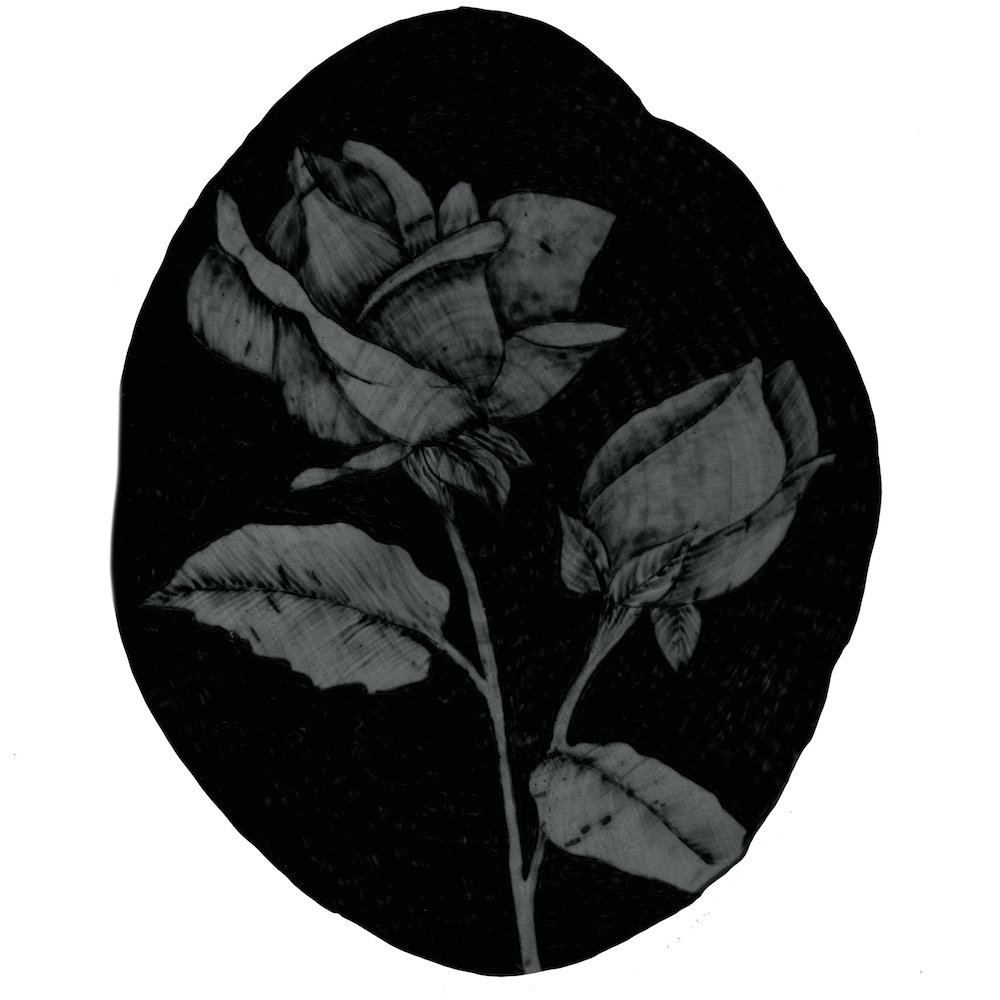
Wood-burning presents a few interesting challenges when it comes to digitizing artwork. The wood grain is visible beneath the illustration, and the burned lines have their own variations in color and depth. Depending on the piece, those characteristics might be something I want to preserve or something I’ll need to separate from the illustration.
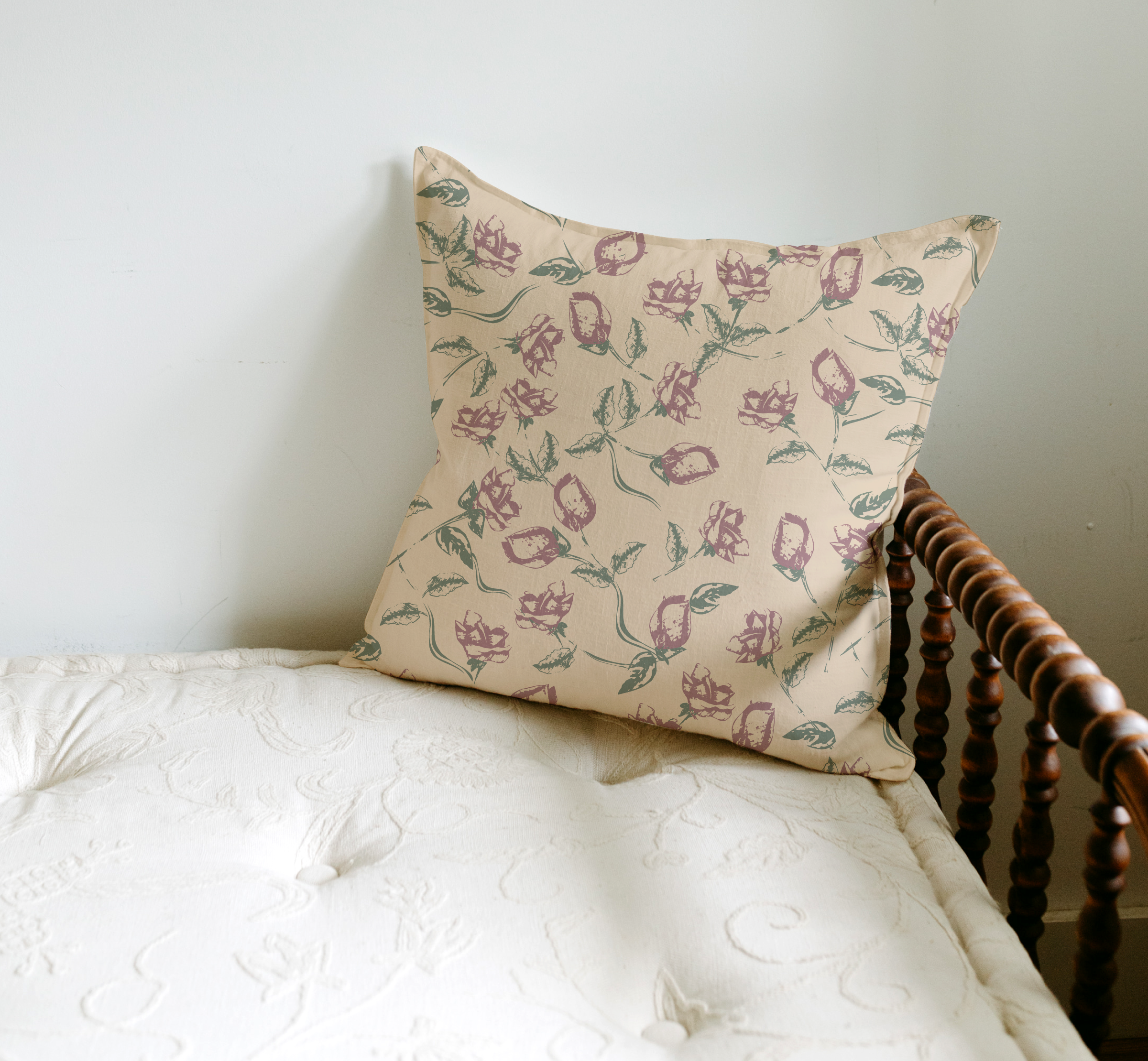
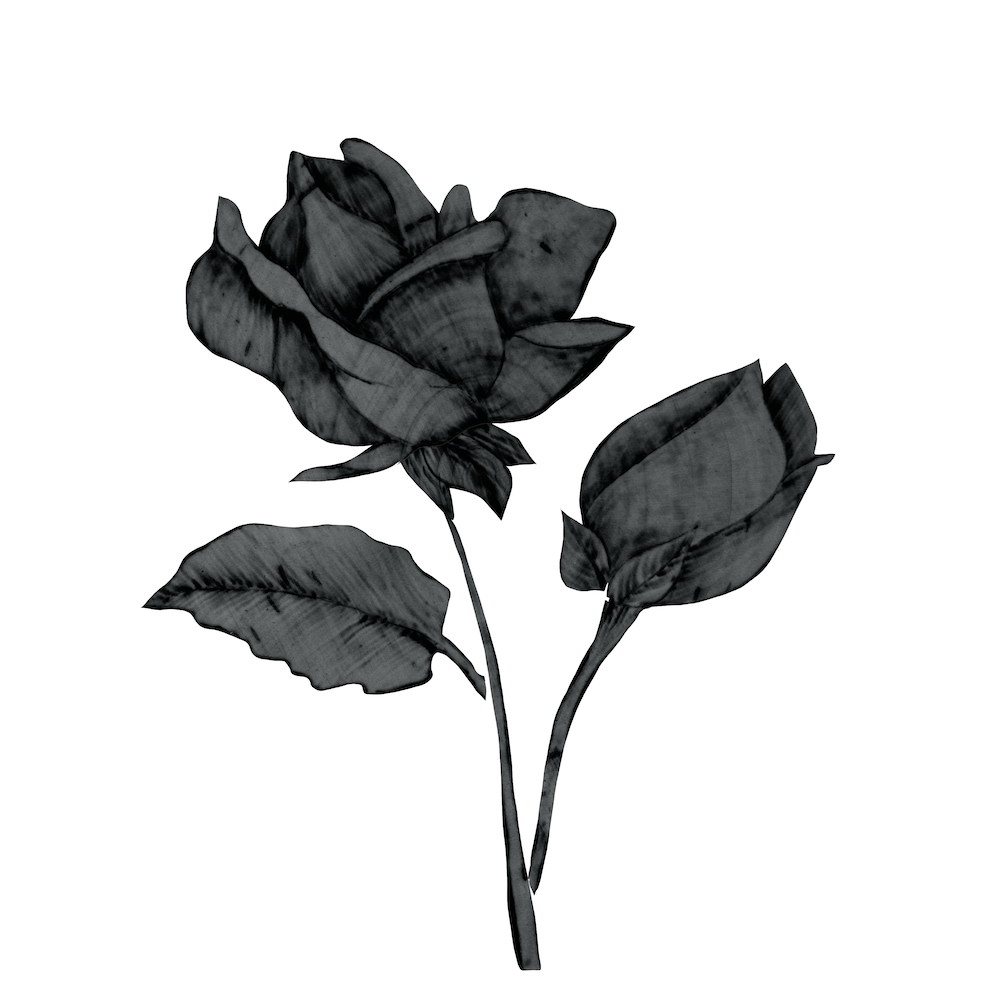
For a fine art print, I might want to retain the texture and appearance of the original wood-burned piece. For a seamless pattern, I’d probably want to isolate individual motifs so I can rearrange them, adjust their scale, and create a repeat that works across fabric or wallpaper.
That might involve cleaning up a scan in Photoshop, redrawing elements in Procreate, or bringing individual motifs into Illustrator.
I haven’t decided exactly what I’ll do with every illustration yet, and I’m not particularly concerned about figuring that out while I’m in the middle of holiday production. Right now, the goal is to capture the artwork properly so I can return to it when I have more time.
Looking at Individual Motifs Differently
I’ve been thinking about how much creative work goes into even a relatively small handmade piece.
A bookmark might take thirty minutes to burn, but that doesn’t include the original idea, the drawing, or the time spent deciding how the illustration should fit within a narrow piece of wood. The same goes for an ornament or a postcard. Even when the finished piece is small, there’s still thought behind the composition.
And sometimes there’s an individual element within that composition that could work beautifully on its own.
Take a mushroom illustration, for example. On a wooden ornament, it might be the central feature, surrounded by a few botanical details. But if I separate the mushroom from the rest of the design, I can begin experimenting with different arrangements. Perhaps it works alongside ferns and fallen leaves. Maybe it becomes part of a small repeating pattern, or perhaps several mushroom illustrations could form a coordinating collection.
But all of that is clear as mud until I start playing around with it, and what appeals to me is that I can begin with something I’ve already drawn rather than starting from a blank page every time I want to create a new product.
Not Every Illustration Belongs on Every Product
I’ve been exploring different ways to use my artwork for quite some time, and one thing I’ve learned is that a design doesn’t automatically work everywhere.
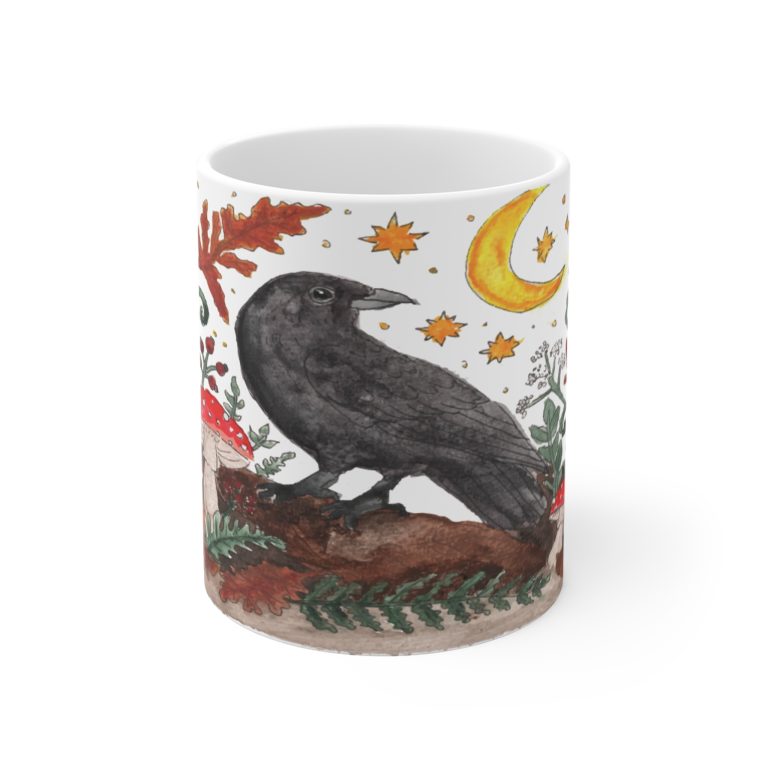
A composition that looks lovely on a wooden plaque might be awkward on a mug. An illustration that works as a greeting card might need considerable adjustment before it becomes a seamless pattern. And a pattern that looks wonderful on fabric might feel completely overwhelming when used as wallpaper.
Scale, composition, color, and the way someone will actually use the finished item all come into play. I want my artwork to feel as though it belongs on whatever I’m creating, rather than looking like I simply placed an illustration onto every available surface.
Sometimes that means adapting the original design. Other times, it means using only a few elements or creating additional motifs that work alongside it. And sometimes I decide an idea isn’t worth pursuing.
Building an Art Library I Can Actually Use
As Wild Ridge Studio continues to grow, I’ve been thinking about how to organize my artwork to make it easier to revisit older ideas. I already have plenty of sketches, illustrations, photographs, and finished designs scattered across different folders and projects. Some of them are pieces I’ve sold, while others are ideas I started and never returned to.
I’d like to become more intentional about keeping the original artwork, individual motifs, and reference materials together. That could mean saving a clean illustration alongside photographs of the finished pyrography piece, keeping different colorways organized, or making notes about possible applications I want to explore later.
The Winter Woods collection is a good place to begin because I’m already creating a coordinated group of artwork with related themes and motifs. Once the original pieces are finished and documented, I’ll have a small collection of illustrations that I can revisit without needing to recreate everything.
One Artwork, Several Possibilities
This is also something I’ve been exploring through The Resourceful Artist and the creative-business work I’m developing for The Resourceful Artist Society. I’ve spent years finding different ways to earn income from my creative interests, including selling handmade artwork, teaching pyrography, creating digital products, and developing surface pattern designs.
I enjoy having several creative outlets, but I’m also very aware of how easily those interests can turn into an overwhelming list of things to do. And frankly, I’m not particularly interested in creating more work simply for the sake of being busy.
What interests me is finding practical ways to use the work I’ve already done, especially when an illustration or design offers possibilities I haven’t explored yet.
For the Winter Woods collection, this means documenting the original pieces via scan and photography. When I have more breathing room, I can decide whether any of those illustrations would work as greeting cards, stationery, seamless patterns, or something else entirely.
I’m especially curious about how some of the pyrography designs might translate into surface pattern collections, since that’s an area I’ve been spending more time developing.
While I am in the midst of projects, I’ll be keeping my camera and scanner handy while I work. I’m curious to see which illustrations I’ll want to revisit once the holiday production is behind me.
If you’re an artist who’s been creating for a while, you might find it interesting to look through some of your older work, too. Not necessarily to turn it into another product, but to see whether there’s something you’d enjoy exploring again.
You might discover an idea you weren’t quite finished with.