The Things We Walk Right Past
On paying attention, getting distracted, and discovering there’s a whole world hiding in plain sight.
When on trail, it’s important to watch your step, but I wonder how many interesting things I’ve walked past simply because I was too busy looking at where I was going.
It’s a funny thought, considering how much I love being outside. I spend a fair amount of time wandering trails, walking dogs, taking photographs, and generally finding excuses to be outdoors. You would think that with all those hours spent surrounded by trees, wildflowers, and whatever else happens to be growing along the way, I’d be pretty good at noticing things. And sometimes I am. Other times, I suspect I could walk right past a small botanical miracle without giving it a second glance because I’m thinking about what I need to get done when I get home.
There’s something about familiarity that makes us a little blind. We travel the same roads, walk the same paths, pass the same trees, and eventually stop really seeing them. They become part of the background, something we recognize without necessarily paying attention to. I suppose that’s perfectly normal. Our brains have enough to keep track of without demanding that we stop and admire every leaf along the way. But I can’t help wondering what we’re missing when we move through the world on autopilot.
Living near the Blue Ridge Mountains, I’m surrounded by the sort of landscape people travel considerable distances to experience. There are mountains that change color with the seasons, winding trails, creeks tucked into the woods, and a variety of plants and creatures going about their business whether anyone notices them or not. It’s easy to appreciate the big picture. The mountains are beautiful. The woods are peaceful. The views are worth stopping for. But lately, I’ve become increasingly interested in everything happening beneath that grand scenery.
The things that don’t make it onto postcards.
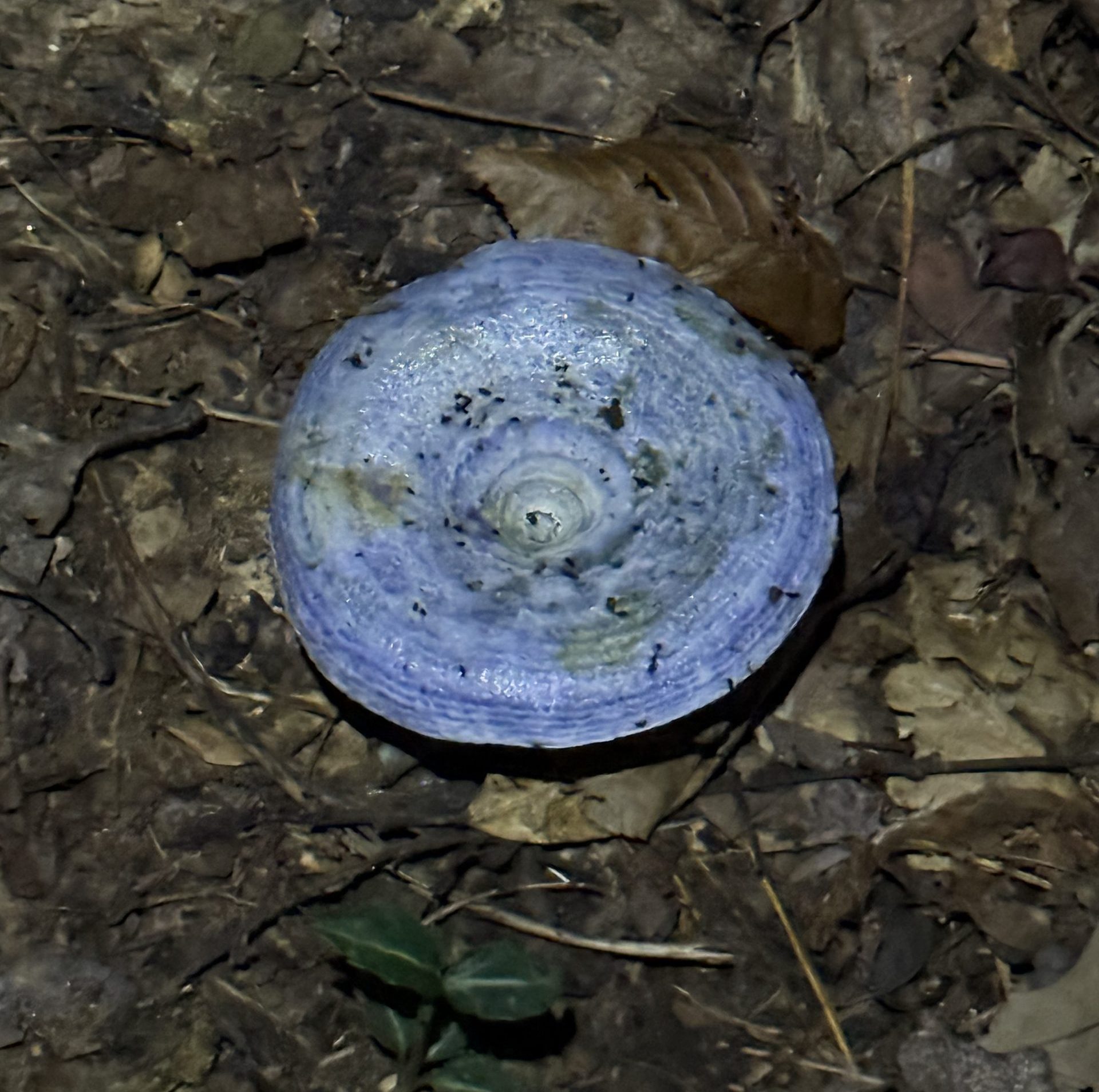
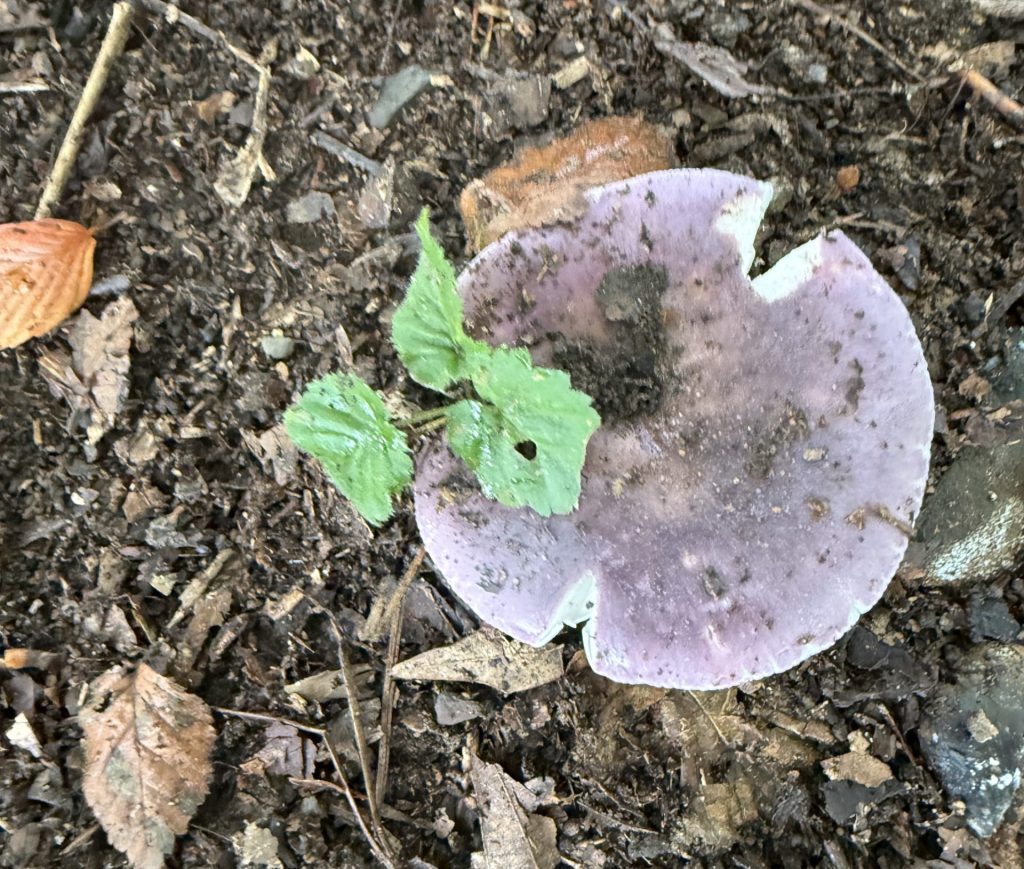
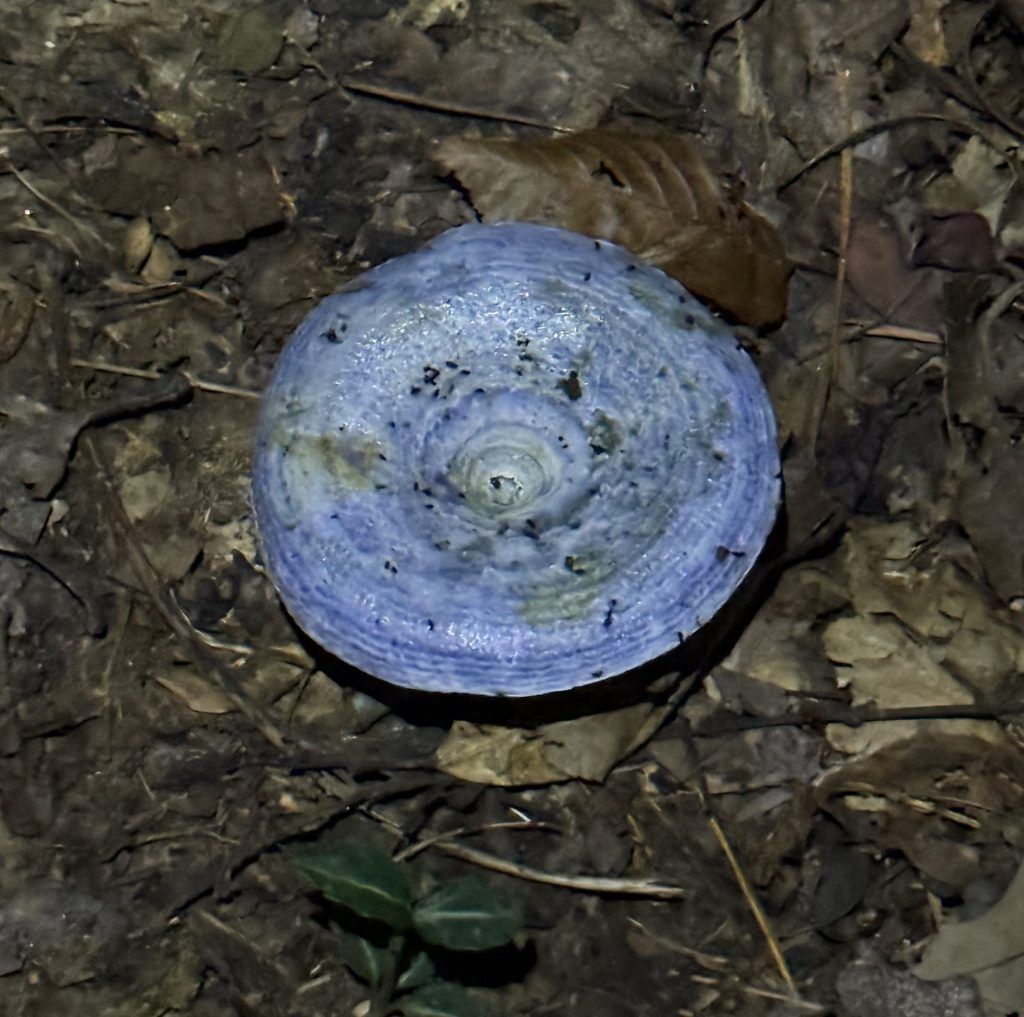
A little cluster of mushrooms pushing through damp leaves. The delicate architecture of a seedpod. The strange patterns left behind by insects in a fallen branch. A patch of moss that, if you get close enough, looks like an entire miniature forest. Because the more I look, the more I realize how much is happening in the places we barely think to notice.
I think being an artist has something to do with this growing fascination. When you spend time drawing or painting something, you quickly discover how little you’ve actually been looking at it. You might think you know what a leaf looks like until you sit down to sketch one and realize you haven’t the faintest idea how the veins connect or why one edge curls differently from the other. Suddenly, something you’ve seen thousands of times becomes a puzzle worth investigating.
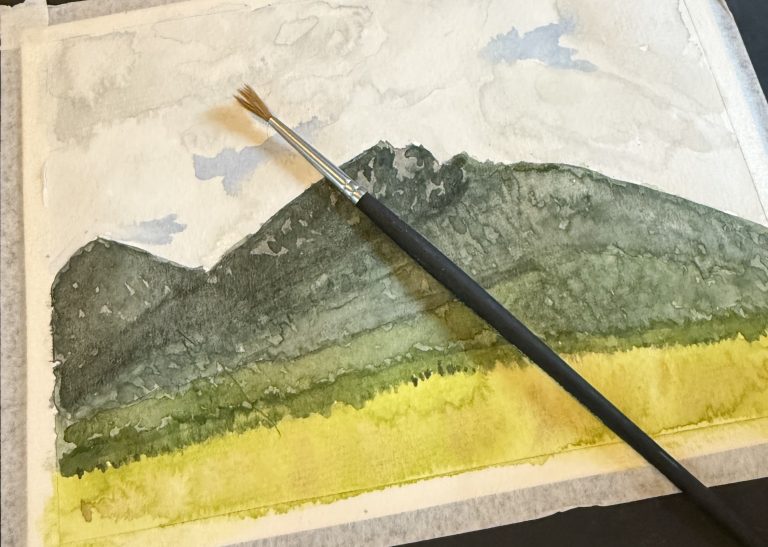
Watercolor has been particularly good at reminding me of this. It’s difficult to paint what you think you see and expect it to resemble what’s actually there. You have to look a little longer. Notice where the light falls, how the colors shift, and where the edges disappear into shadow. And sometimes, after all that careful observation, the watercolor decides it has an entirely different plan. Which is probably a useful lesson in itself.
What I love about this process is that it changes the way I see things even when I’m not making art. Once you’ve spent time studying the shape of a leaf or the markings on a moth, you start noticing those details everywhere. It’s as though someone quietly adjusted the focus on the world. Nothing around you has changed, but suddenly there’s more of it.
Of course, I don’t want to turn every walk into an assignment. I have enough projects, deadlines, and ideas rattling around in my head without adding “observe nature correctly” to the list. That would rather defeat the purpose. I don’t believe we need to identify every wildflower, memorize bird names, or become experts in the natural world to appreciate it. Curiosity is a perfectly good place to begin. In fact, I think not knowing what something is can sometimes make the experience more interesting.
There’s a particular kind of pleasure in finding something unusual, taking a closer look, and thinking, Well, what on earth is that?
You might look it up later. You might sketch it, photograph it, or simply leave it where you found it and carry on. The important part, at least to me, is that you were paying attention for a moment. You noticed something that would otherwise have remained invisible in the background of your day.
And I’ve been thinking about how that small act of noticing reaches beyond the woods.
We spend so much of our time looking ahead. Toward the next deadline, the next project, the next thing we want to accomplish. I’m certainly guilty of that. I have a remarkable talent for turning one creative idea into six additional projects before I’ve even finished the first one. There’s always something waiting to be made, organized, launched, or figured out. And while I genuinely enjoy much of that work, I sometimes wonder how much I miss when my attention is constantly occupied by whatever comes next.
Perhaps that’s part of why these little encounters with nature have become so appealing. They don’t require anything from me. A beetle doesn’t care whether I’ve finished my latest collection. The moss growing along a fallen log has absolutely no interest in my to-do list. The world outside continues doing its wonderfully complicated thing regardless of whether I’m being productive, and there’s something rather comforting about that.
It reminds me that not everything worth experiencing needs to become an accomplishment.
That thought has been finding its way into my artwork, too. I’ve been collecting photographs, sketches, and observations of the small things that catch my attention, and somewhere along the way, the idea for In the Wild Margins began taking shape.
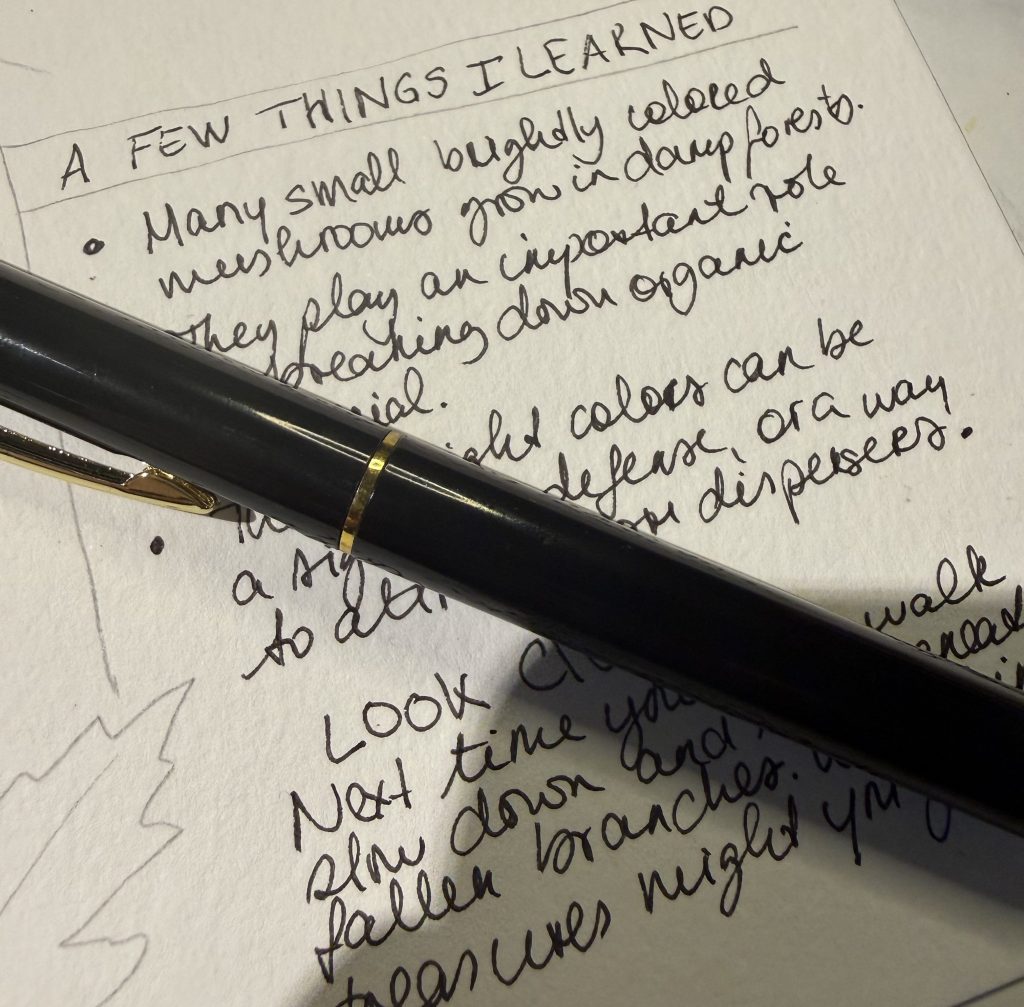
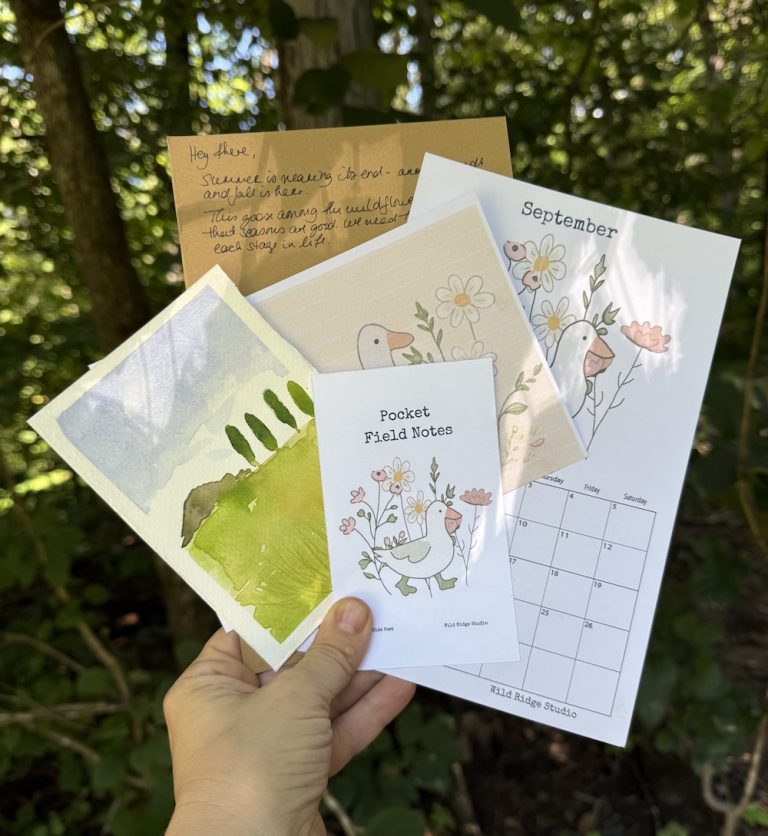
The project is a collection of 52 illustrated observations, one shared each week, inspired by the natural world and all those little things we tend to overlook. Part field journal, part illustrated correspondence, and part ongoing experiment in paying closer attention. It’s an excuse to follow my curiosity, spend more time drawing and painting what I find, and share the discoveries along the way.
I have no intention of making it a perfectly organized scientific record. There are people far more qualified for that, and I suspect they’d be considerably better at remembering the Latin names. What interests me is the experience of noticing something, becoming curious about it, and seeing where that curiosity leads. Sometimes that might involve learning something about a particular plant or creature. Other times it might lead to an unexpected connection, a memory, or simply a page filled with watercolor and scribbled notes.
I rather like the idea that I don’t know exactly what all 52 pages will contain. There are still things out there I haven’t noticed yet, and that’s the whole point.
The more I think about it, the more I realize that paying attention isn’t necessarily about slowing down every moment of our lives. Sometimes we’re busy. Sometimes the dog is pulling toward something questionable in the underbrush, the weather is turning, or we just want to finish our walk and get home. Life doesn’t always allow for leisurely contemplation of a particularly interesting twig.
But perhaps it doesn’t have to.
Maybe all it takes is noticing one thing.
One small detail that makes you stop for a second. Something unusual, beautiful, funny, or completely ordinary that you haven’t really looked at before. It doesn’t need to be photographed or documented. You don’t need to know its name, and you certainly don’t need to turn it into a project.
Although, apparently, I do.
The next time you’re outside, whether you’re hiking a mountain trail, walking around your neighborhood, or stepping into your backyard, I hope you’ll look for something you might ordinarily pass by. Not because there’s a lesson to learn or an experience to capture, but simply because the world is full of interesting things happening just beyond the edges of our attention.
And I have a feeling we’ve only scratched the surface.
A Little More from the Margins
In the Wild Margins is my ongoing collection of illustrated observations from the natural world, shared one page at a time through weekly correspondence. It’s a place for watercolor, sketches, curious discoveries, and the occasional wandering thought about what happens when we start looking a little closer.
If that sounds like your kind of wandering, I’d love to have you along.