Beyond the Original Artwork: December Inside The Resourceful Artist Society
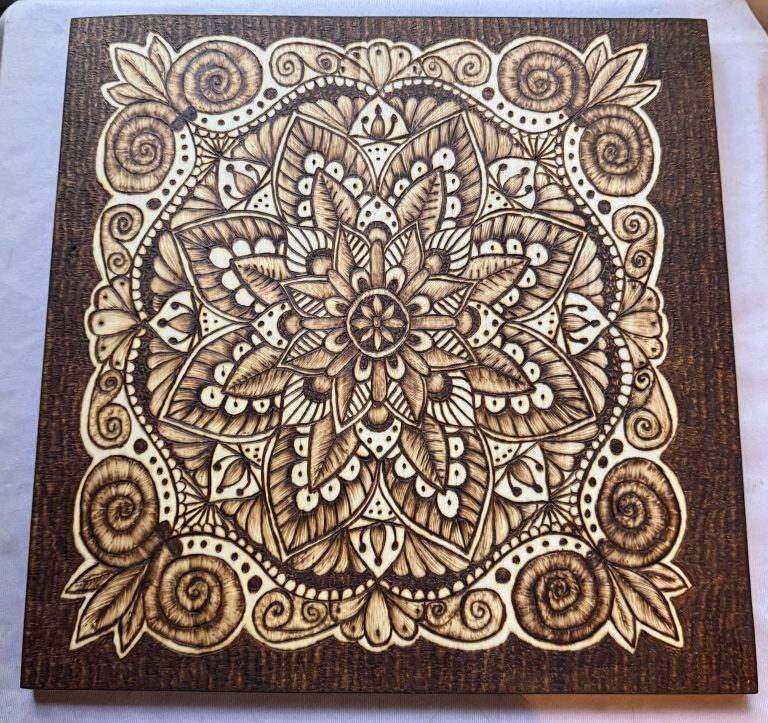
One of the things I’ve been thinking about a lot lately is how much creative potential exists in the artwork we’ve already made. As artists, we’re often so focused on creating the next piece that we don’t necessarily stop to consider what else we could do with the work we’ve finished. I know I’ve been guilty of this throughout my years as a pyrography artist, but exploring digital illustration, watercolor, and surface pattern design has completely changed how I look at my artwork.
That’s a big part of why I created The Resourceful Artist Society. I wanted to build a space where artists and makers could explore different creative and income opportunities, develop practical skills, and discover ways to make more from what they already create without feeling pressured to chase every trend or turn every creative endeavor into a business.
This December, we’re exploring how to look at things a little differently, both in the world around us and in our own collection of artwork.
Get Outside: The Details We Overlook
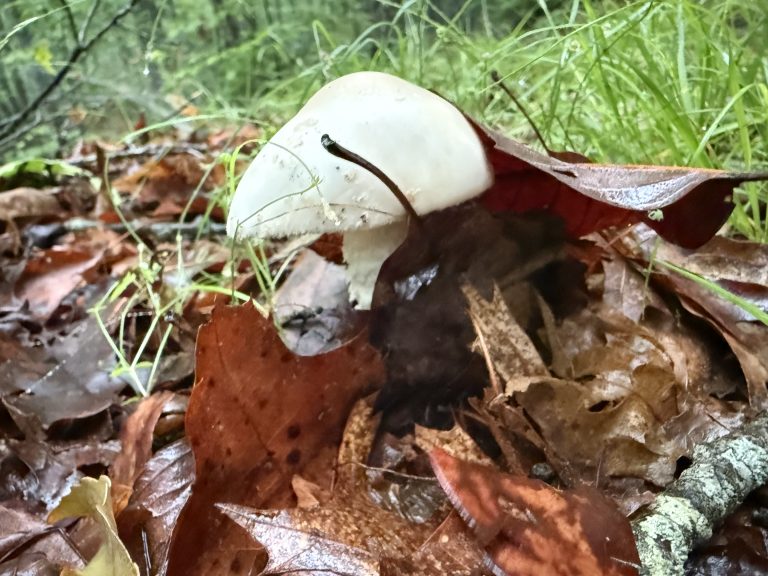
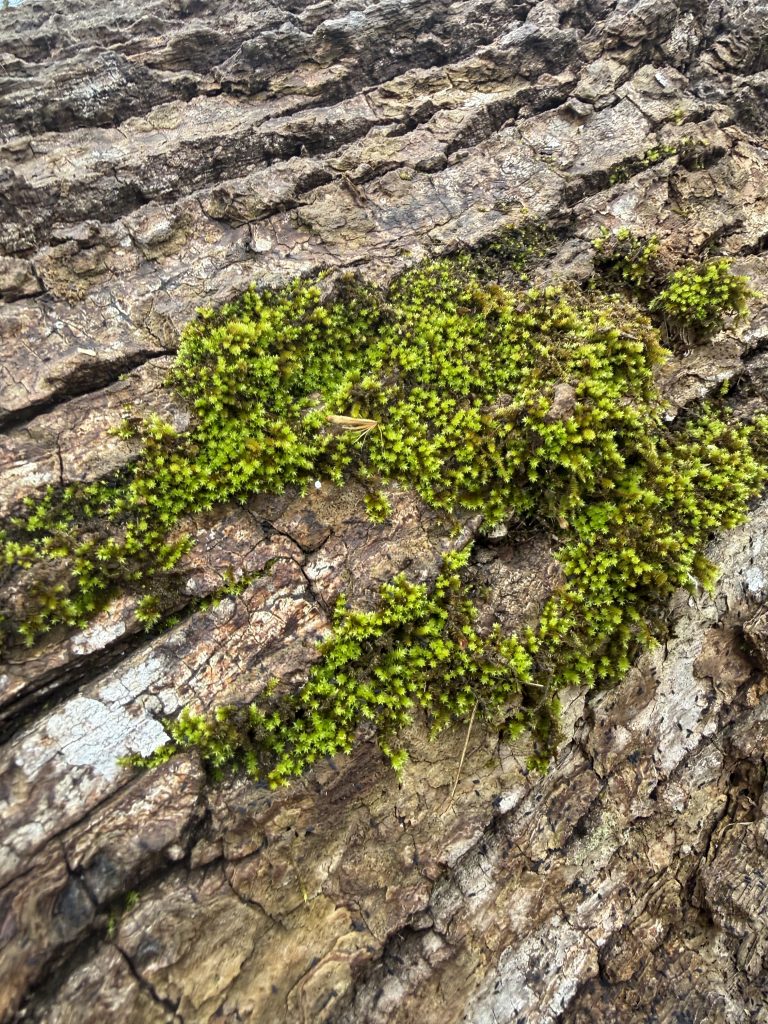
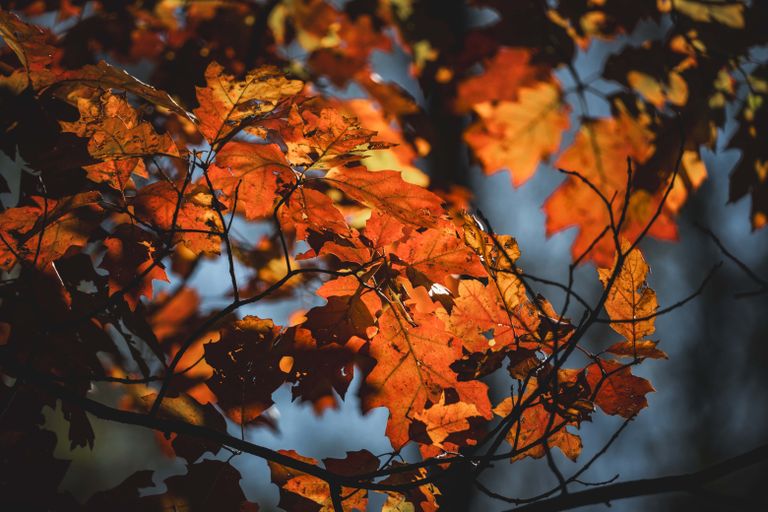
Nature has always been a significant source of inspiration for my artwork, but some of the most interesting discoveries happen when I stop looking for something spectacular and start paying attention to the smaller details. The way branches overlap, the patterns in tree bark, the remains of a seed head, or the unexpected shapes cast by shadows can all serve as starting points for original artwork.
This month’s creative assignment encourages members to explore a small area, gather observations, and experiment with turning those discoveries into illustrations, motifs, or compositions. You don’t need to travel somewhere extraordinary or even consider yourself particularly good at drawing. It’s about developing your observational skills and discovering inspiration that is uniquely yours.
Creative Opportunity Report: Building Beyond One Product
Creating something beautiful is one thing. Figuring out what to do with it beyond its original purpose is another, particularly when you’re trying to build a sustainable creative business.
This month, we’re exploring coordinated product collections, reproductions of traditional artwork, surface pattern design, print-on-demand, and art licensing. Rather than simply presenting a list of things you could sell, we’re considering what each opportunity actually entails, including the skills, time, financial investment, and practical considerations that come with it.
Not every opportunity will make sense for every artist, and that’s perfectly fine. Part of becoming a resourceful artist is learning to recognize which opportunities align with your artwork, interests, resources, and the kind of business you want to build.
One Artwork, Five Possibilities: The Winter Owl
I’ve been particularly excited to share this month’s case study because it’s a project I’ve been working through in my own studio. Starting with a winter owl illustration surrounded by snowy branches, I’ve been exploring how the same artwork can translate across different mediums and products.
The project has already taken shape as a piece of pyrography artwork, a stationery design, and a seamless repeating pattern. I’m also exploring how the illustration could be used as a greeting card and an illustrated mug.
Inside the Society, I’m sharing the creative decisions behind these different applications, the adjustments each one requires, and some of the challenges that come with adapting traditional artwork. It’s not always as straightforward as placing an illustration onto a different product, something I’ve been reminded of more than once during this particular project.
The idea isn’t that every piece of artwork needs to become five products. It’s about learning to recognize possibilities that you might not have considered before.
Creative Business Workshop: From Traditional Artwork to Digital Assets
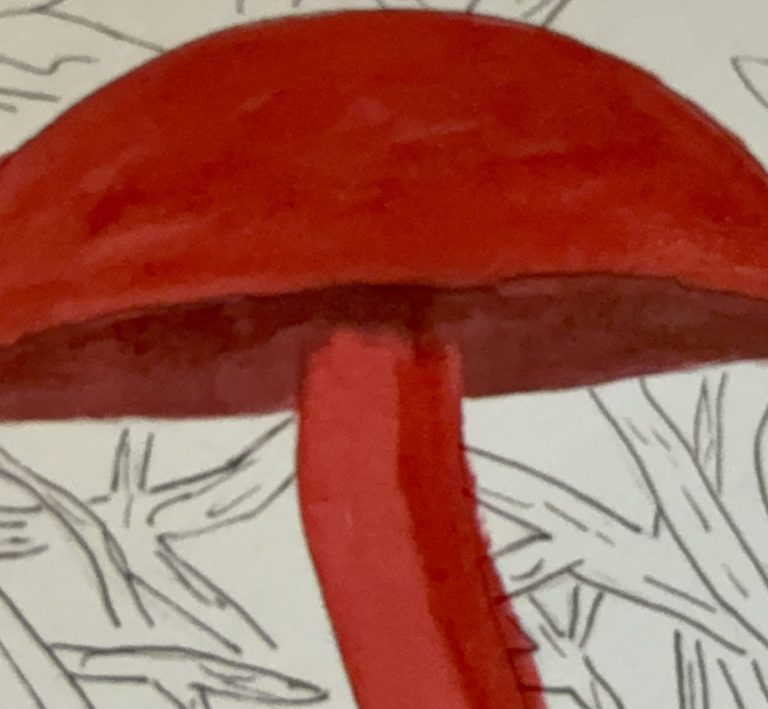
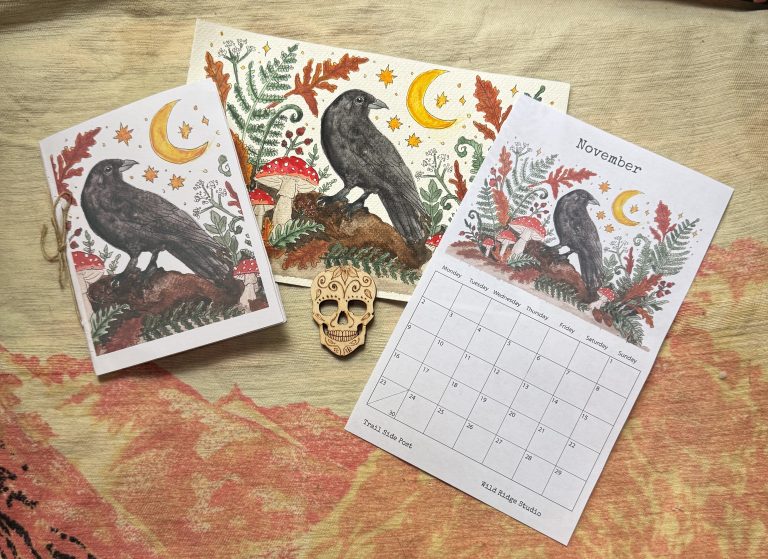
After spending more than two decades working in pyrography, I have found that learning to bring traditional artwork into a digital environment has opened up an entirely new world of creative possibilities for me. More recently, I’ve been experimenting with grayscale watercolor illustrations and introducing color digitally, which has given me even more flexibility in how I develop and use my artwork.
This month’s workshop walks members through the process of scanning or photographing traditional artwork, preparing clean digital files, preserving handmade textures, removing backgrounds, creating individual motifs, and organizing editable master files.
Whether you work with watercolor, ink, pencil, painting, pyrography, or another traditional medium, understanding this process can give you more options without requiring you to abandon the medium you love.
Growing the Resource Library
I’m also building out the Society’s Resource Library with practical information that artists can return to whenever they need it. There are plenty of technical details involved in preparing artwork for different applications, and it can be frustrating trying to piece together the information from multiple sources.
December’s resources include:
- Understanding Digital File Formats: What to save, when to use different file formats, and why editable master files matter.
- Understanding Resolution, DPI and Print Dimensions: How to calculate the correct dimensions for printed artwork and understand resolution, aspect ratios, and bleed.
- Preparing Artwork for Multiple Products: A practical checklist to help you evaluate, adapt, and prepare your artwork for different creative and commercial applications.
The Resource Library will continue to grow over time, becoming a collection of practical references rather than another course you feel obligated to complete.
A Little Extra: The Wild Table
Membership in The Resourceful Artist Society also includes complimentary access to The Wild Table, a creative space where we explore art prompts, studio sessions, practical projects, and ways to bring our artwork to life through weekly lessons.
We’ll also begin our monthly live Office Hours in January, with our first session scheduled for January 20, 2027, at noon Eastern. These sessions will provide an opportunity to ask questions, discuss creative business challenges, and work through the issues that inevitably arise when you’re exploring new possibilities.
Become a More Resourceful Artist
You don’t need to have a perfectly organized portfolio, an established creative business, or a clear idea of what you want to do with your artwork before joining. You might be an experienced artist looking for additional income opportunities, a maker curious about digital products, or someone who has accumulated years of artwork and wonders what else could be done with it.
I’m still learning, experimenting, making mistakes, and occasionally wondering why I thought something would be a five-minute project. That’s part of what I want to share inside the Society: the actual process of exploring creative possibilities, not just the polished results.
The Resourceful Artist Society is a place to get curious, build your skills, explore opportunities, and connect with other artists who are figuring things out alongside you. There is no expectation to pursue every opportunity or complete every lesson. You get to decide what makes sense for you and your creative journey.
If you’re ready to explore what else your artwork could become, I’d love to have you join us this December.
Let’s make more from what we already create.