How Can I Make More Money From My Art Without Constantly Creating Something New?
One of the things I’ve learned from running a creative business is that making more money from your art doesn’t always mean making more art.
For years, I worked primarily in pyrography. I created original wood-burned pieces, took commissions, sold at markets, and stocked local shops. Every sale was wonderful, but there was a limit to how much I could physically produce. If I wanted to sell more, I usually had to spend more hours creating.
Eventually, I started looking at my artwork differently.
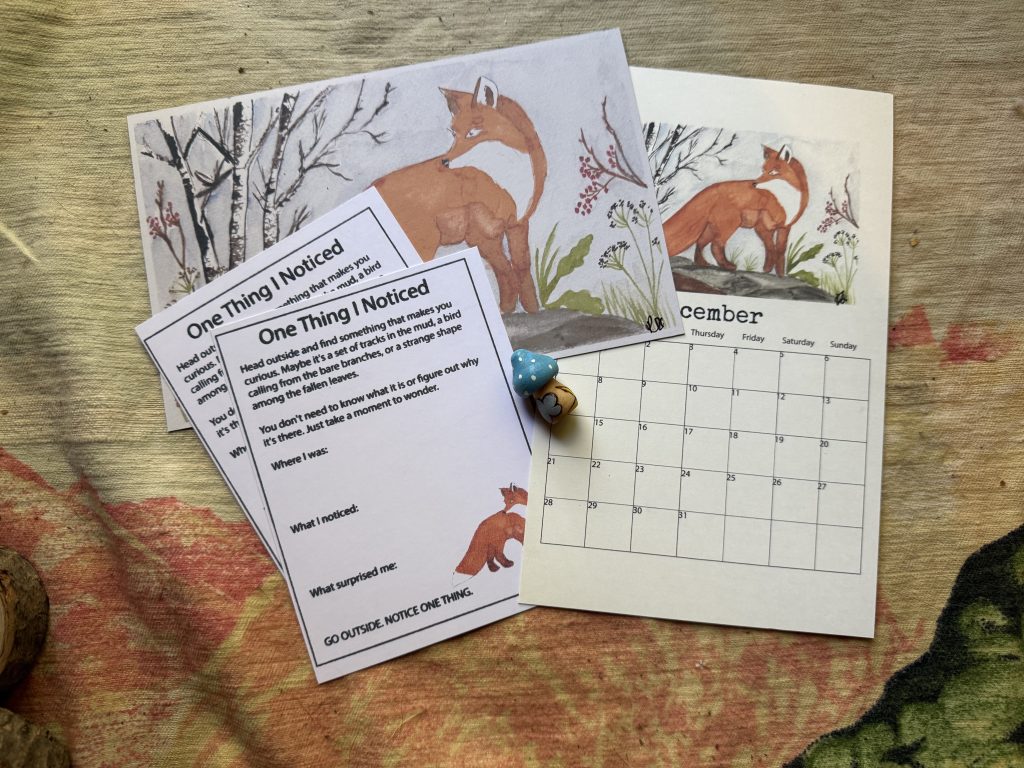
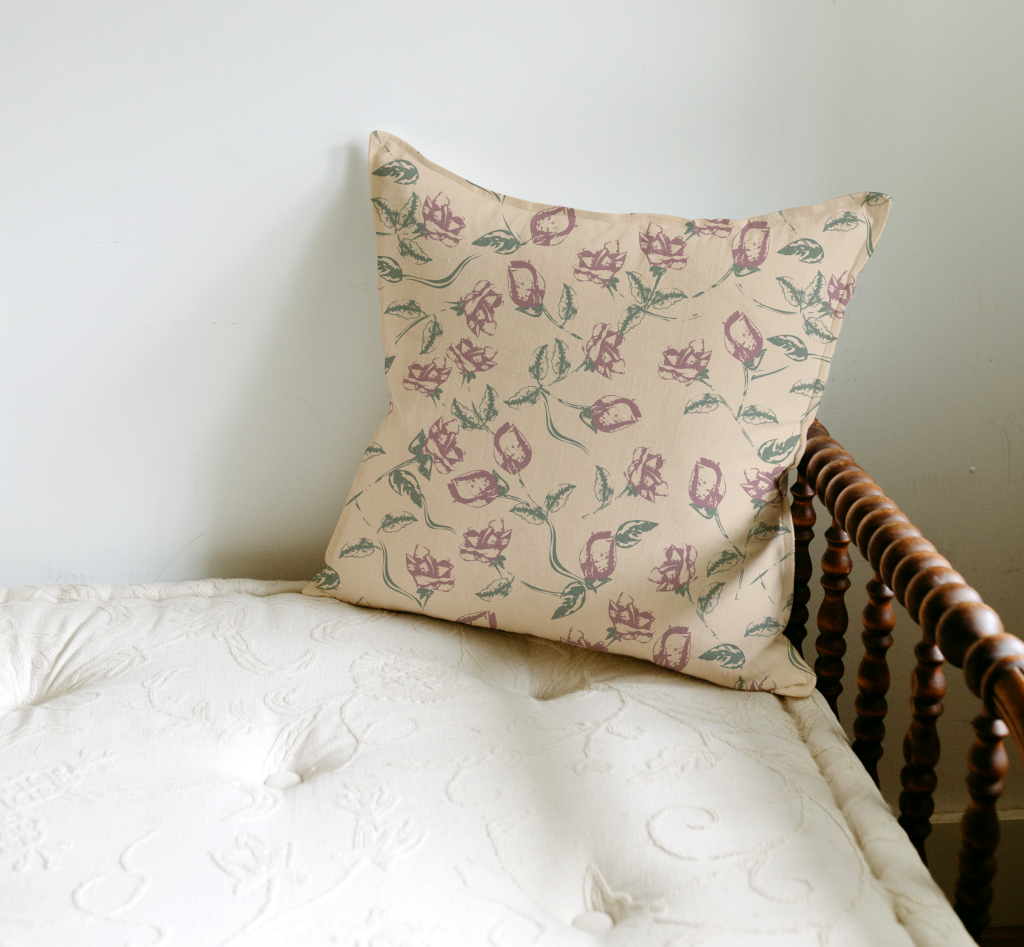
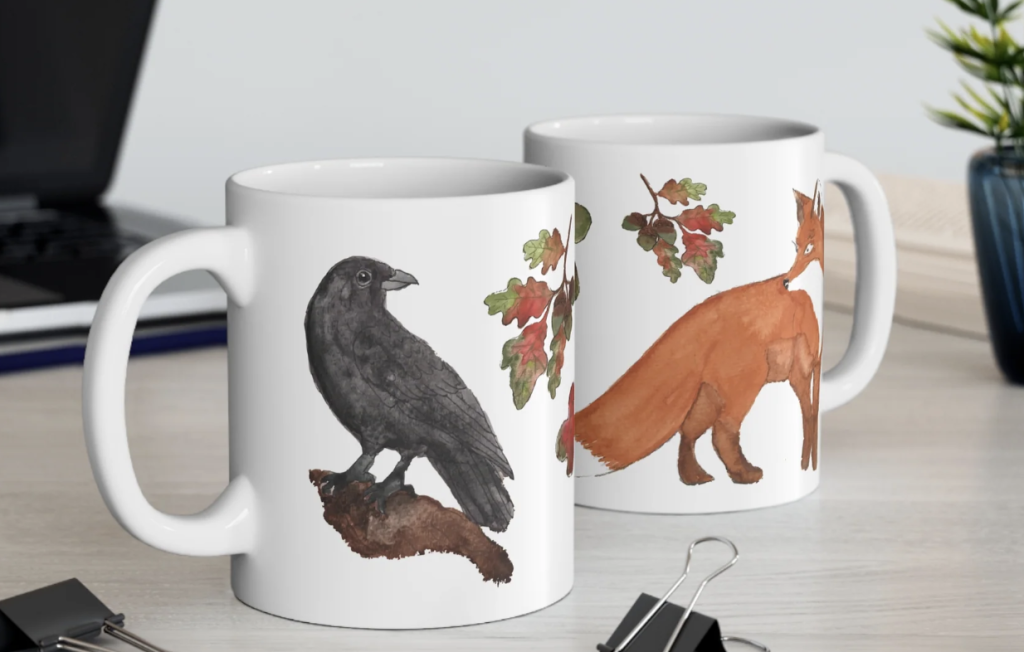
What if something I’d already created could become more than one product? What if an illustration could become a greeting card, a print, or a seamless fabric pattern? What if I could build several opportunities around a single piece of artwork instead of starting from scratch each time?
That’s when I began making a deliberate shift in how I approached my creative business.
What can you do with one piece of artwork?
Quite a lot, actually.
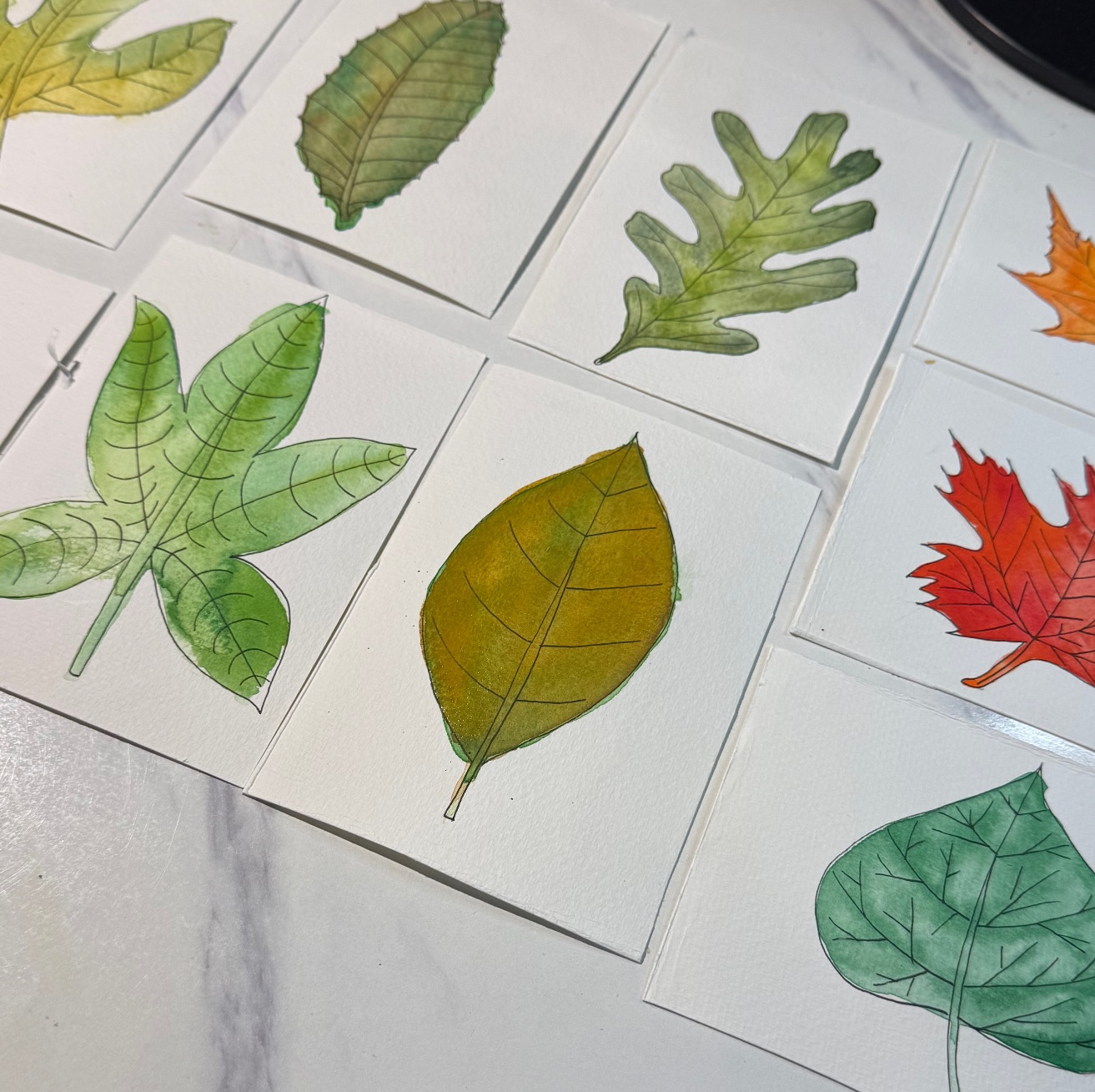
Let’s say you’ve painted a collection of oak leaves and acorns. You could sell the original painting or offer fine art prints. You could use the individual illustrations to create greeting cards or stationery. You could arrange those same elements into a repeating pattern for fabric or wallpaper.
You might even license the artwork to a company that wants to use it on its products.
Not every piece of artwork will work for every product, and not every opportunity will be worth pursuing. The idea isn’t to turn everything you create into twenty different things. It’s to recognize the possibilities that are already there.
Do you need to learn a completely new art form?
No. You can start with the medium you already enjoy.
I still create pyrography artwork, but I’ve learned to photograph and scan my finished pieces so I can revisit them later. Sometimes I extract individual elements to create digital designs. Other times, the original piece becomes the inspiration for an entirely new collection.
I’ve also expanded into watercolor and surface pattern design, but that happened gradually. You don’t need to learn everything at once.
Start with one piece of artwork you love. Consider where else it might belong and whether there’s an audience for that kind of product.
How do you decide which opportunities are worth pursuing?
This is where being resourceful becomes more useful than simply being productive.
A new product might sound exciting, but you also have to consider how much time it takes, what it costs to produce, where you’ll sell it, and whether you actually want to keep making it.
For example, selling original artwork at markets can be rewarding, but it involves production, inventory, travel, setup, and time away from the studio. Selling a digital pattern has different challenges, including preparing files, creating listings, and getting your work discovered.
The goal is to find a combination of opportunities that makes sense for your artwork, your interests, and the life you want outside your business.
Start with one artwork and three possibilities
If you’re wondering where to begin, choose one piece of artwork you’ve already finished.
Write down three ways you could use it beyond its original purpose. You don’t have to make all three products. You don’t even have to make one today.
Then choose the possibility that feels both interesting and manageable. Research what it would take to create and sell it, and decide whether it’s worth testing.
Sometimes the best business ideas begin with something you’ve already made.
Want to explore more possibilities for your artwork?
That’s why I created The Resourceful Artist Society at Wild Ridge Learning.
It’s a membership for artists and creative makers who want to explore new income streams, make more of their artwork, and build creative businesses that fit their lives.
Each month, we explore practical creative opportunities, look at how one artwork can become several different products, and work through the business side of making those ideas happen.
You don’t need to do everything. You just need a place to explore what’s possible and decide what works for you.