Organ Donation Gave My Son More Than a Liver. It Gave Him a Life.
October is Liver Awareness Month, and every year it brings me back to something that is almost impossible to put neatly into words: my son is alive because another human being became an organ donor.
For many people, organ donation is something they encounter on a form. It is a box checked at the DMV, a little heart on a driver’s license, or a conversation they vaguely know they should have with their family someday. Until your life collides with the need for a transplant, it can remain an abstract idea. For our family, it could never be abstract again.
My son Lennon was born with CPS-1 deficiency, a rare urea cycle disorder. In simple terms, his body could not properly process ammonia. Something most of us never have to think about could become dangerously toxic in his body. It meant monitoring, managing, worrying, and learning a language of labs, numbers, and symptoms that I never expected to become fluent in. It meant knowing that something happening invisibly inside his body could become an emergency frighteningly fast.

Eventually, a liver transplant became part of his story.
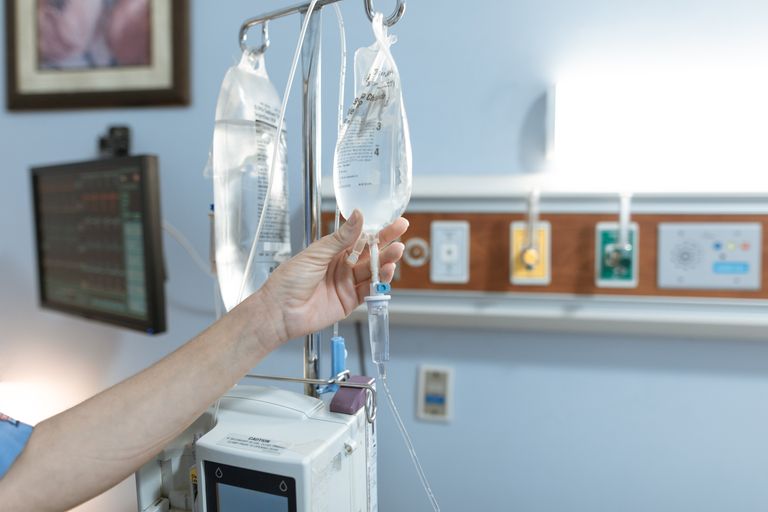
Lennon received his first liver transplant on November 18, 2008. I wish I could say that was the clean ending to the story. He received a liver, recovered, and we all rode happily into the sunset. But transplant stories are rarely that tidy. His journey included a second liver transplant 3 days later, and then another liver transplant in 2011, and there were years filled with hospitals, medications, appointments, uncertainty, complications, fear, and all the things that happen in the spaces between the dramatic moments people tend to associate with transplantation.
There is something particularly difficult about being the parent of a child waiting for an organ. You desperately want the phone to ring. You need the phone to ring. Somewhere inside that hope is the knowledge that the thing your child needs can only become available because another family is experiencing one of the worst moments of their lives.
There is no comfortable way around that truth.
Someone else’s loss became part of the reason I got to keep raising my son.
That reality has stayed with me all these years.
Organ donation is often discussed in numbers: how many people are waiting, how many transplants occur each year, how many people become donors. Those numbers matter, but behind every one of them is an entire life. There are birthdays that happen because of organ donation. First days of school. Arguments over chores. Family dinners. Bad jokes. Road trips. Ordinary Tuesdays. There are graduations and friendships and jobs and dreams and all the wonderfully mundane things that make up a human life.
That is what donation gave Lennon.
It didn’t simply give him a functioning liver. It gave him time.
It gave him years that once were anything but guaranteed. It gave him the opportunity to grow from the little boy I was desperately trying to keep alive into the person he is now. It gave our family memories we would never have had otherwise. And as his mom, I have been allowed to watch a future unfold that at different points in his childhood I could not confidently imagine.
Transplantation also doesn’t magically erase everything that came before it. It isn’t a cure-all wrapped up with a bow. A transplant recipient carries that history forward. There are medications, medical care, ongoing monitoring, and health concerns. There can be new diagnoses and new challenges. Life after transplant is still life, complicated and unpredictable and sometimes ridiculously unfair.
But it is life.
I sometimes think the most powerful part of organ donation isn’t found in the extraordinary moments. It is found in the ordinary ones. When you’ve spent time wondering whether your child will have a future, ordinary becomes extraordinary pretty quickly. Watching them grow older is extraordinary. Watching them become independent is extraordinary. Watching them complain about something completely mundane can even be extraordinary, although I reserve the parental right to occasionally forget that in the moment.

Organ donors make those ordinary lives possible.
And behind every donor is a family whose story deserves enormous respect. I can celebrate the life my son was given while understanding that our gratitude exists alongside another family’s grief. Those two truths have always lived together for me. There is joy here, tremendous joy, but there is also humility.
Someone made a decision that reached far beyond themselves, and because of that, my son had another chance.
This October, during Liver Awareness Month, I want people to think about organ donation as more than something printed on the back of a driver’s license. Talk about it with the people you love. Learn what becoming a donor means. Make your wishes known to your family so they aren’t left wondering what you would have wanted if they ever face an unimaginable decision.
And if you are already a registered organ donor, please understand the magnitude hidden inside that seemingly small decision.
You may never meet the person whose life is changed because of it. You may never meet the mother who gets to bring her child home again. You may never see the birthdays, holidays, ridiculous jokes, difficult seasons, accomplishments, setbacks, and completely unremarkable Tuesday afternoons that happen because you chose to donate.
But somewhere, another family may get more time.
I know what that time is worth.
I have been living inside that gift since November 18, 2008.
And there will never be enough words for thank you.