Why Do We Stop Cheering When Someone Starts a Business?
We celebrate when someone gets a new job. We congratulate them when they get promoted. We cheer when they go back to school, graduate, change careers, buy a house, or hit some other milestone we’ve collectively decided counts as an accomplishment. We understand that these things represent growth, hard work, courage, or a decision to move toward something different, and we generally don’t hesitate to tell people we’re proud of them.
But tell people you started a business, especially a creative business, and sometimes the room gets strangely quiet.
Obviously, this isn’t true of everyone. There are people who will cheer you on, share your work, ask what you’re making, recommend you to someone else, and genuinely want to see you succeed. Those people are absolute gold. But there is also this weird thing that happens when someone stops working toward a traditional milestone and starts building something of their own. The enthusiasm that would normally accompany a new job or promotion can suddenly become much harder to find.
As an artist and small business owner, I find that fascinating because starting a business is a pretty damn big deal. You’re taking something that existed only as an idea and trying to turn it into something tangible. You’re figuring out what you want to make, who might want it, how to sell it, and whether this slightly unhinged idea you’ve been carrying around in your head can actually become something sustainable.
Along the way, you’re also learning things you never expected to learn. Suddenly you’re responsible for websites, marketing, bookkeeping, pricing, shipping, photography, customer service, social media, taxes, inventory, technology, and approximately seventeen other jobs you definitely did not put on the original application. Except, of course, there was no application. You created the job in the first place.
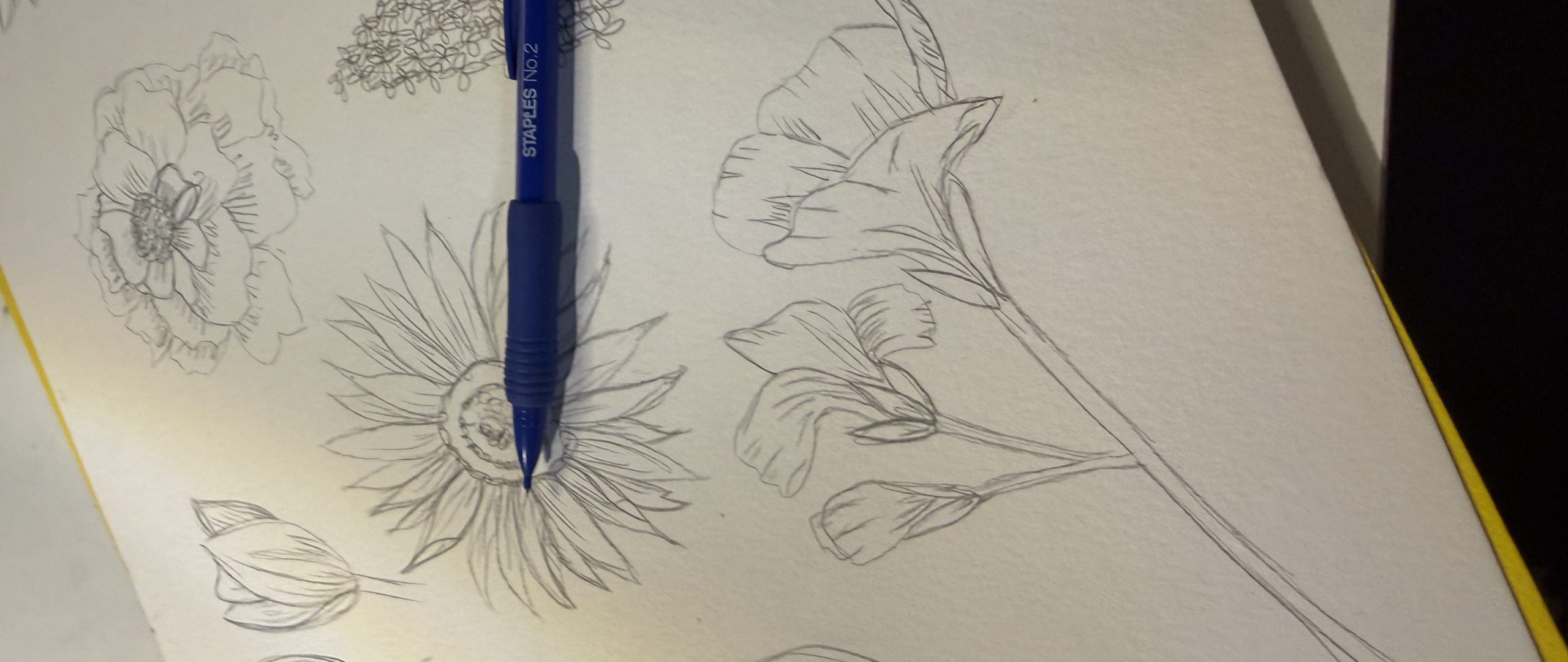
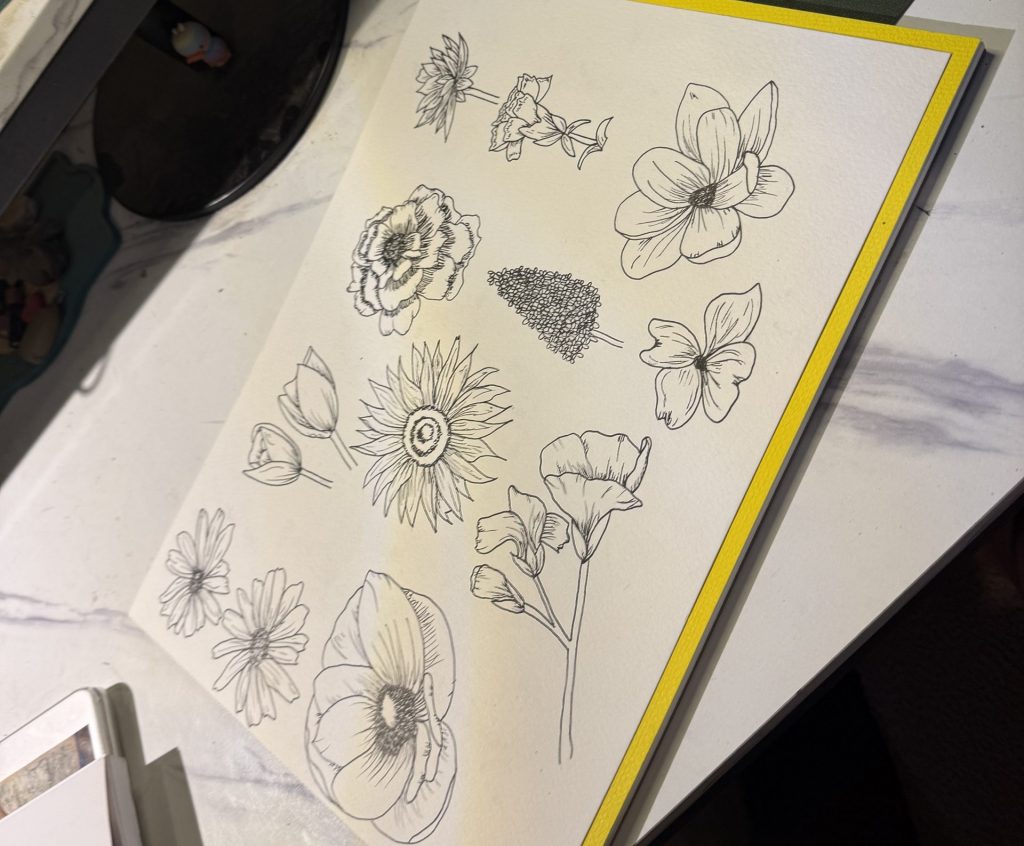
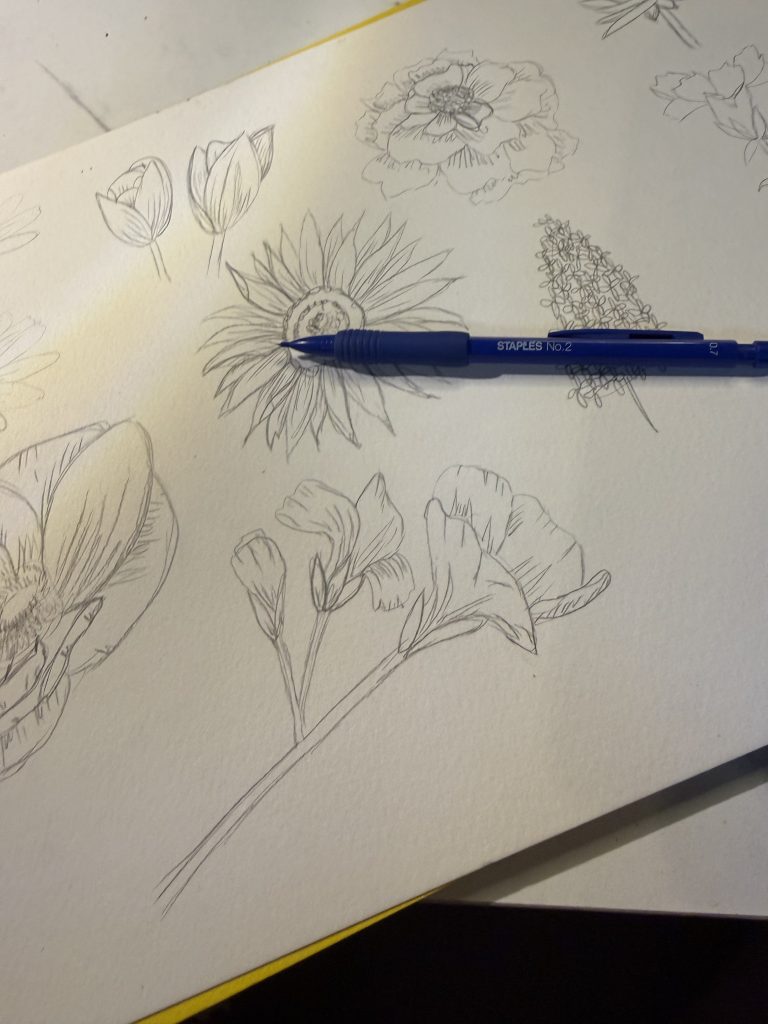
For artists, there’s another layer to all of this because the thing we’re putting into the world is something we made ourselves. It might have started as a sketch, an idea scribbled in a notebook, a photograph from a walk, a piece of wood, a handful of colors, or some random thought that showed up while drinking coffee. We take that tiny beginning and turn it into something another human being can hold, hang on their wall, wear, give as a gift, or bring into their home.
That deserves celebrating too, and I don’t think we talk about that enough.
Support Doesn’t Always Mean Buying Something
One of the biggest misconceptions about supporting a friend who owns a business is that support automatically means spending money. It doesn’t. I don’t expect every person I know to buy everything I make, and I don’t think most artists or small business owners do either. Your house does not need to become a Wild Ridge Studio warehouse just because you happen to know me, and if woodland art isn’t your thing, it isn’t your thing. If you don’t need another mug, please do not start clearing cabinet space out of guilt.
Most of us aren’t asking our friends and family to become our entire customer base. In fact, we’re trying to build businesses precisely so that we can reach people beyond our immediate circles. We want to find the people who connect with what we make, who genuinely want it, and who are excited to bring it into their lives. Your job as my friend is not to personally finance my artistic ambitions one coffee mug at a time.
But support can still matter enormously, and so much of it costs absolutely nothing.
If you genuinely like something an artist made, like the post. Leave a comment. Share it with someone. Save it. Forward their newsletter. Tell somebody about their work when it comes up in conversation. Tag the friend who would actually love what they’re making. These seem like tiny actions, but for a small creative business, they can have a surprisingly large impact.
Social media platforms use engagement to decide what gets shown to more people, which means a comment can help a post travel beyond the tiny circle it started in. A share might put an artist’s work in front of exactly the person who has been looking for something like it. A recommendation could turn into a customer, a collaboration, a wholesale account, a licensing opportunity, or something the artist couldn’t possibly have predicted when they hit publish that morning.
You may not be the customer, but you might know the customer. Sometimes that is an incredibly powerful kind of support.
We Don’t Question Other People’s Milestones Like This
This is the part I keep coming back to because the difference is so strange. If a friend announces they got promoted, nobody immediately asks whether they think they’ll still be doing it three years from now. If someone goes back to school, we generally don’t respond by demanding proof that there’s enough market demand for their degree. When someone gets a new job, we don’t immediately ask how profitable the company is or whether they have a backup plan in case the whole thing falls apart.
We congratulate them because we recognize that they’re trying something, growing, changing, or moving toward something they want. We don’t require them to prove the eventual outcome before we’re willing to celebrate the beginning.
Start a creative business, though, and suddenly everyone becomes a member of an imaginary investment committee. Is there really money in that? Are people actually buying those? Isn’t that market already saturated? How much have you made? When are you going to make enough to do that full time? Are you still doing that?
Yes, Susan. I’m still doing that.
The frustrating part is that building a business often requires years of showing up before the outside world sees enough evidence to consider it successful. There are experiments that don’t work, products that don’t sell, ideas that change direction halfway through, and entire plans that seemed brilliant on Tuesday and absolutely ridiculous by Friday. There are months when everything clicks and months when you wonder whether the internet has collectively decided to hide your website.
None of that makes the work less legitimate. That is the work.
A traditional career has awkward beginnings too. People learn new skills, make mistakes, change positions, discover that something isn’t right for them, and sometimes completely change direction. We accept that as part of professional growth, but somehow entrepreneurship is often expected to emerge fully formed and profitable or risk being dismissed as a hobby.
That’s a pretty ridiculous standard.
Maybe We Need to Expand What We Celebrate
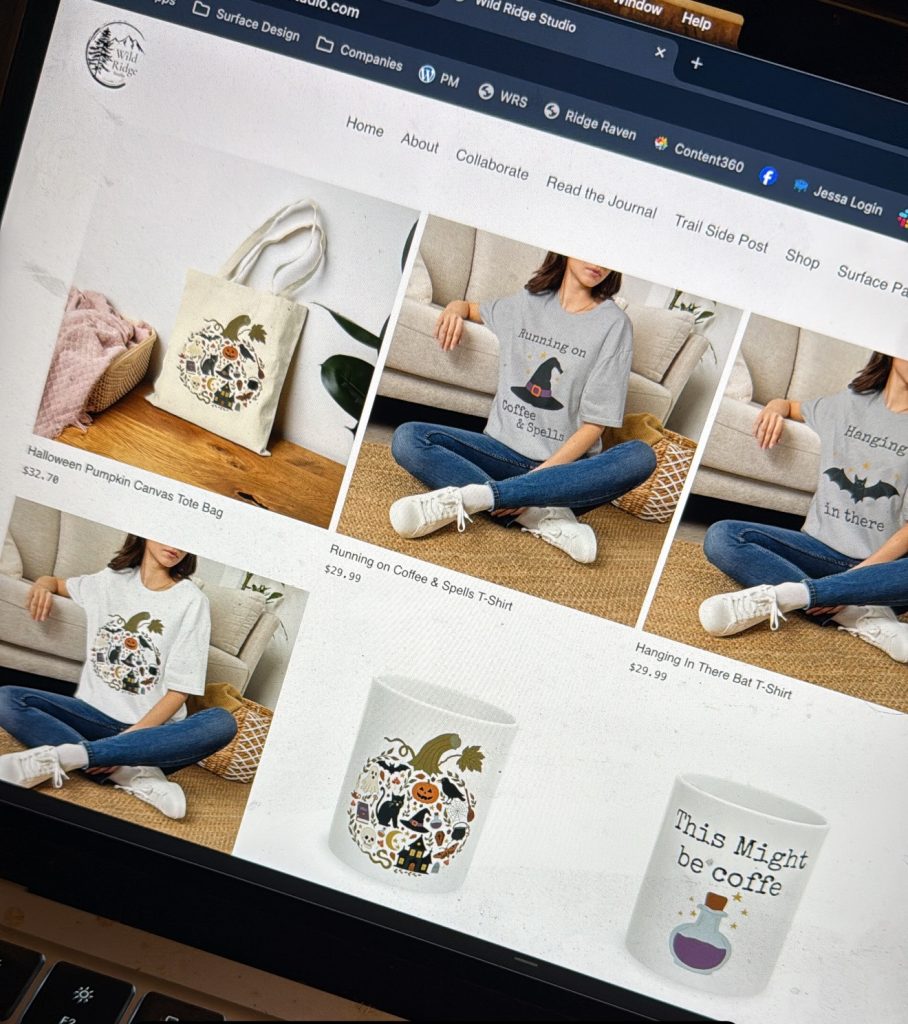
Success doesn’t always arrive carrying a diploma, a new job title, or a company-wide announcement. Sometimes it looks like opening an Etsy shop after thinking about it for three years. Sometimes it’s publishing the first product on a website you spent months building. Sometimes it’s getting your first sale from someone who isn’t related to you and realizing that a complete stranger saw something you made and decided they wanted to spend their actual money on it.
Sometimes success is smaller and quieter. It might be selling four things this week when last month you sold none, getting your first repeat customer, sending your first newsletter, submitting your artwork somewhere that scares the hell out of you, or finally introducing yourself as an artist without immediately trying to minimize it. It might simply be deciding that the idea you keep coming back to deserves more than living permanently inside your head.
Those milestones deserve a “hell yes” too.
Not because every business will become wildly successful, because they won’t. Not every creative idea will work, not every product will sell, and not every experiment will turn into the thing we hoped it would become. That isn’t really the point. Friendship also doesn’t come with a mandatory purchase requirement, and supporting someone doesn’t mean pretending you love everything they create.
It means recognizing what they’re doing.
Someone you care about is trying something. They’re learning, experimenting, taking risks, putting their work where other people can see it, and building something that didn’t exist before. There is vulnerability in that, especially when the product you’re selling began with your own hands and imagination. Putting creative work into the world means giving other people the opportunity to love it, ignore it, criticize it, buy it, scroll past it, or decide it isn’t for them, and then getting up the next morning and making something anyway.
That takes something.
And if we can celebrate someone for being hired to help build somebody else’s dream, surely we can spare a little enthusiasm when they decide to build their own.
So when your artist friend posts the thing they’ve been working on, you don’t have to buy it. You don’t have to become their salesperson, and you certainly don’t have to fill your house with things that aren’t your style. But if you genuinely like what they made, tell them. If you know someone who would love it, share it. If you’re proud of what they’re building, say so. If they hit a milestone, even one that seems small from the outside, celebrate it with them.
Because sometimes supporting a small business doesn’t require opening your wallet at all. Sometimes it’s a comment, a recommendation, a share, or simply acknowledging that the thing your friend is building matters.
And maybe we should stop being weirdly silent when someone we care about does something brave.